The true costs in horticulture: why Knegt electric TCO increases your return
Introduction: higher purchase price versus intensive use
The initial purchase price of an electric tractor is often higher. For growers operating under high production pressure and tight margins, this can be a barrier. However, in intensive horticulture—where machines operate many hours per day—the Total Cost of Ownership (TCO) advantage of electric machinery becomes significantly amplified.
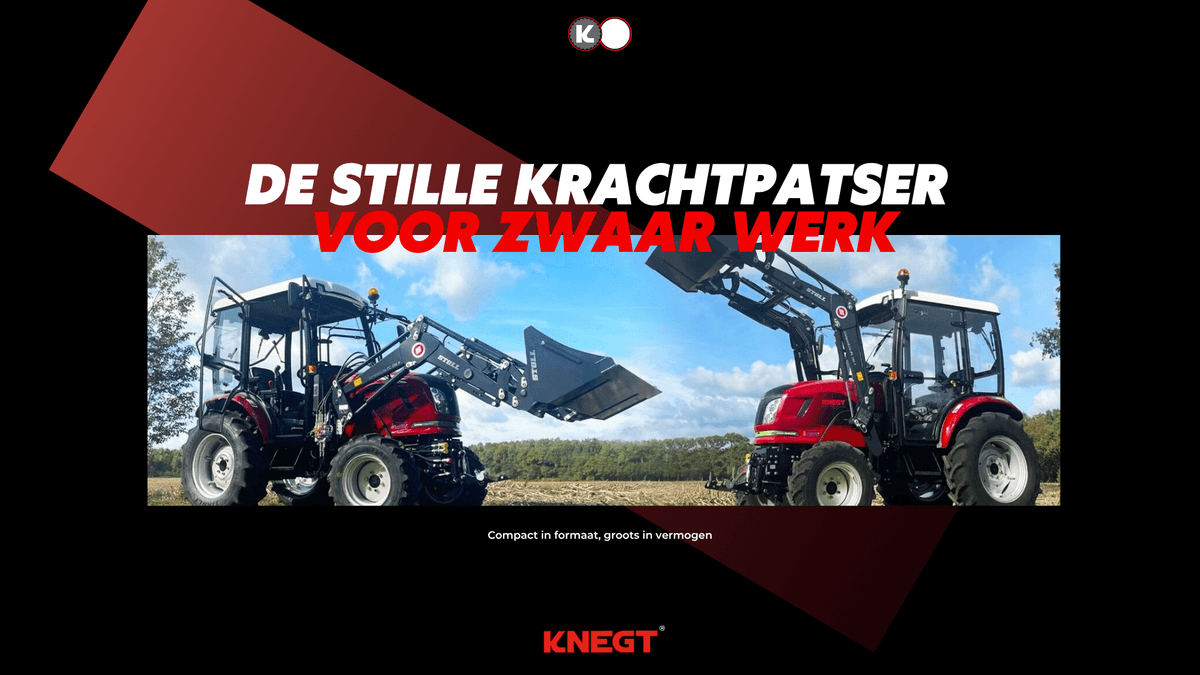
This article demonstrates how the Knegt electric tractor, over a lifespan of 5 to 10 years, proves to be a smarter and more profitable investment than its diesel counterpart, specifically within the dynamics of modern horticultural operations.
TCO in horticulture: the cost structure of diesel
In horticultural environments, the operating costs of diesel machinery are unusually high due to several structural factors:
• Unnecessary fuel consumption: Frequent start-stop cycles and idling during loading, unloading or breaks in greenhouses or fields result in wasted diesel without productive output.
• Expensive maintenance due to contamination: Machines often operate in humid, dusty or sandy environments (greenhouses and open-field cultivation). This causes accelerated wear of filters, injectors and engine components, leading to higher maintenance frequency and downtime.
The Knegt advantage: TCO savings in three key areas
The Total Cost of Ownership of a Knegt electric tractor is significantly lower thanks to three decisive advantages:
1. Cost savings (energy & maintenance)
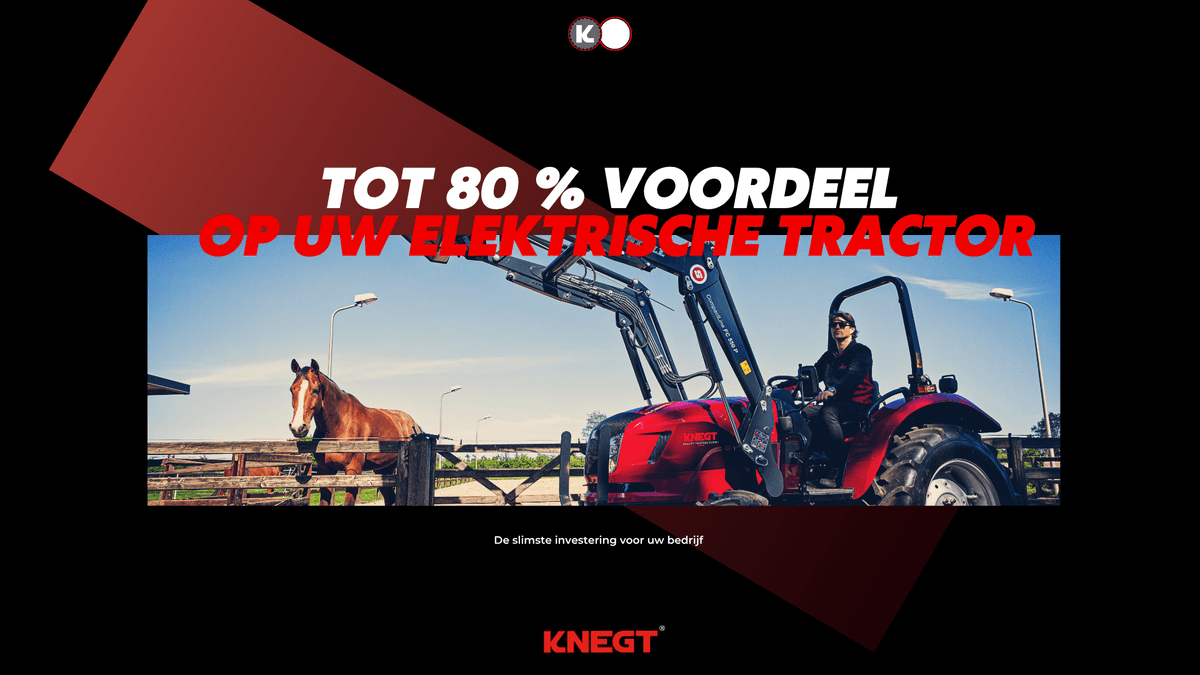
• No diesel loss: You pay only for the electricity actually used for propulsion. This results in up to 80% lower ‘fuel’ costs compared to diesel.
• Minimal maintenance: An electric motor is a sealed, clean unit with approximately 90% fewer moving parts than a diesel engine. No clogged filters, no injectors and no engine oil changes. This saves hundreds to thousands of euros per year in maintenance costs.
2. Subsidy benefits (direct financial advantage)
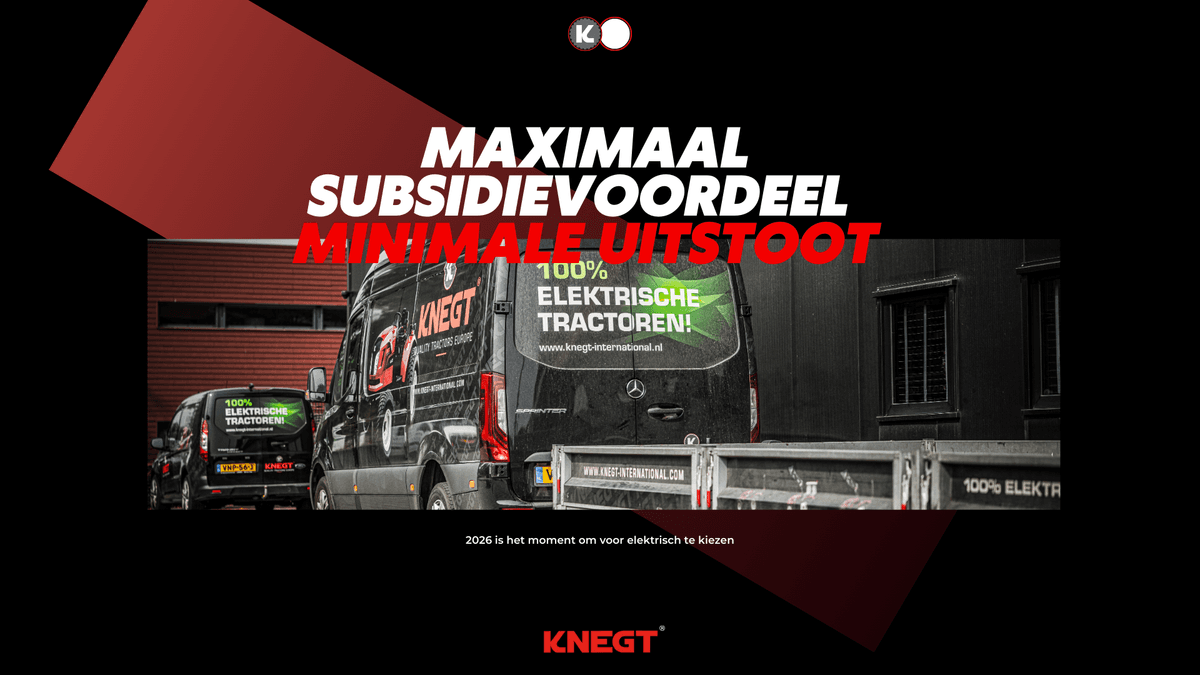
Benefit from fiscal incentive schemes such as the Environmental Investment Allowance (MIA) and/or Accelerated Depreciation for Environmental Investments (VAMIL). These schemes accelerate depreciation and significantly reduce the net investment, allowing your Return on Investment (ROI) to be achieved more quickly.
3. Residual value and future-proofing
As the sector increasingly focuses on sustainability and zero-emission operations, demand for electric tractors will continue to grow. This ensures that the residual value of a Knegt electric tractor remains relatively high, especially compared to diesel machines that may face restrictions or phase-out in the future.
Your personal ROI
Schedule a financial consultation with our specialists. We will prepare a tailored TCO calculation, including current subsidy opportunities, fully aligned with the operating hours, tasks and conditions of your horticultural business.