Compact tractor attachments: which ones suit your work?
The short answer
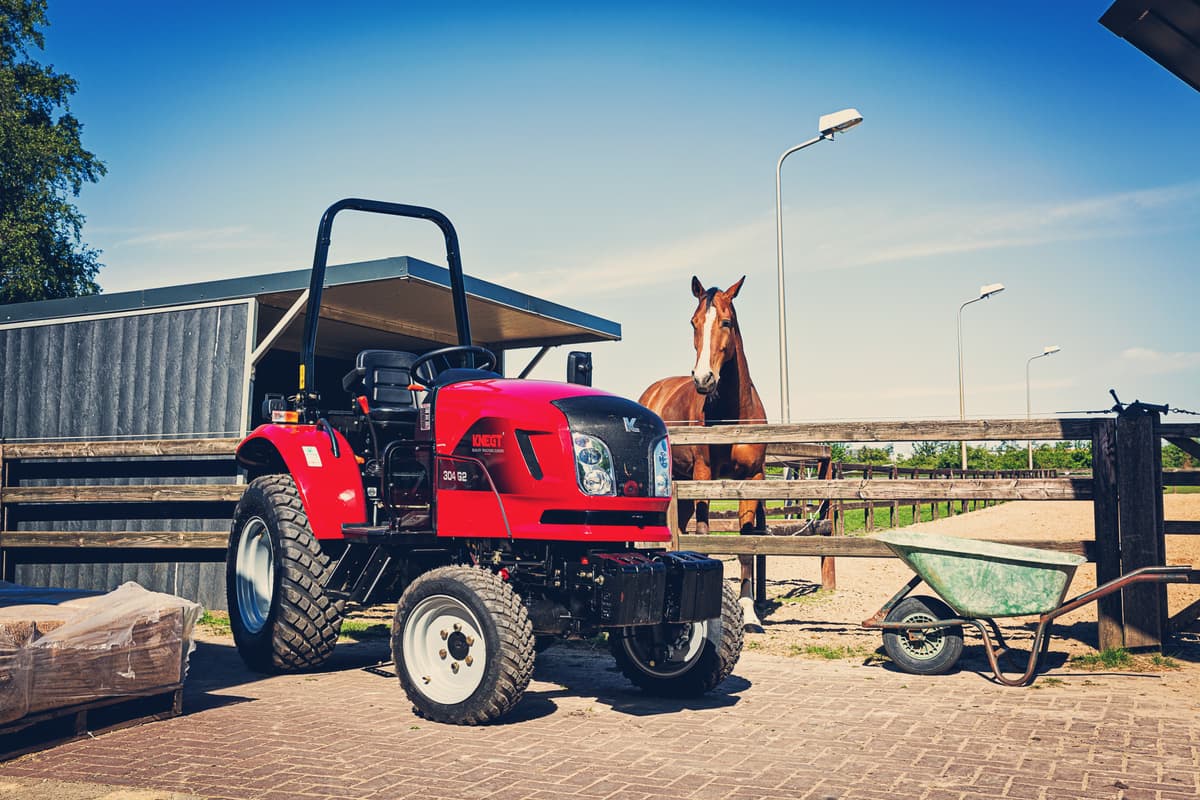
A compact tractor can carry attachments for almost any grounds work: mowing, soil preparation, clearing manure, loading, transport and processing pruning waste. Which implements you need depends on three questions: which job you do most often, where the implement sits on the tractor (rear, front or on the front loader) and whether tractor and implement match in terms of hitch, weight and power.
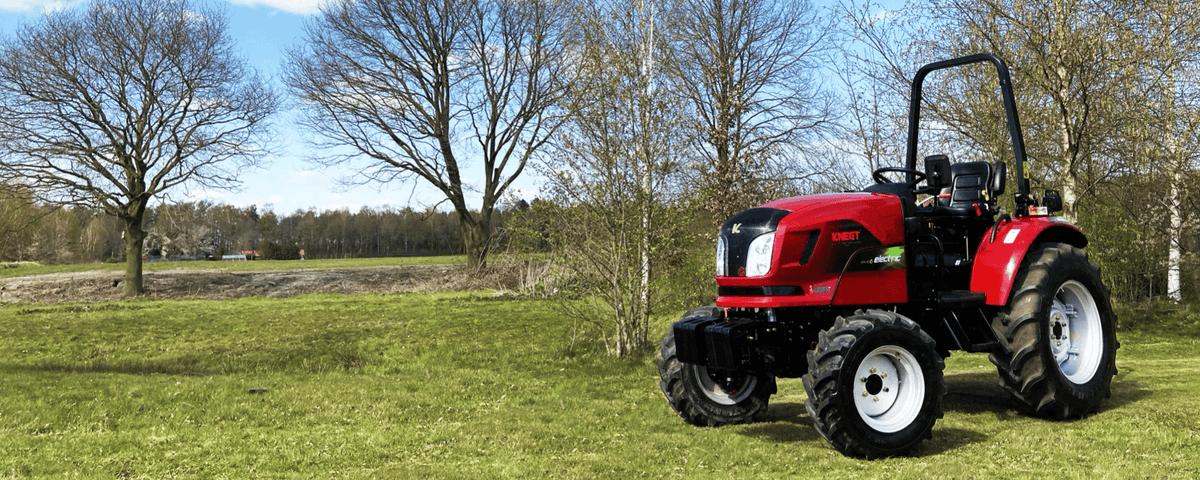
Knegt builds both electric and diesel compact tractors and offers its own range of implements and accessories designed to work with them.
Four places to hitch an implement
At heart, a compact tractor is an implement carrier: the tractor supplies power and movement, the implement does the actual work. There are four places where you can attach an implement:
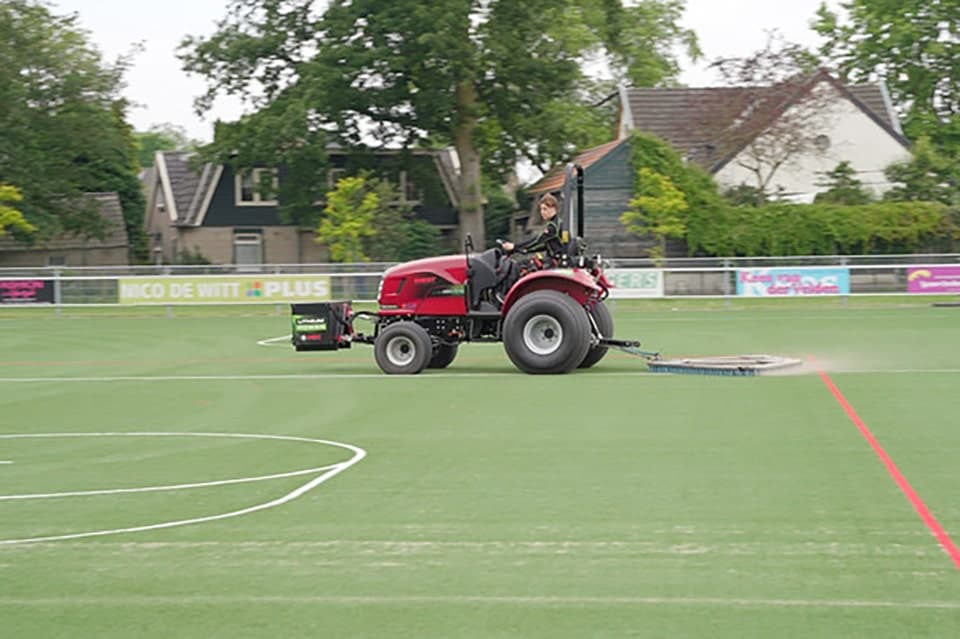
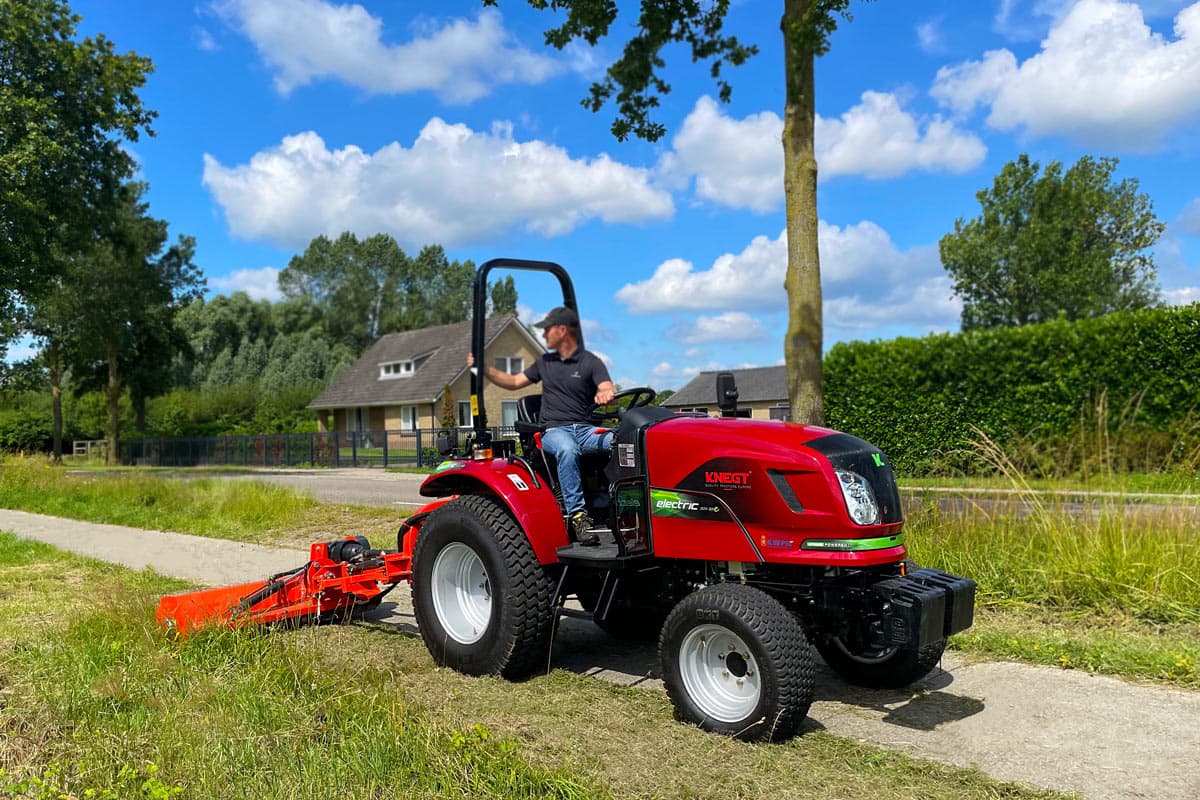
- Rear three-point linkage: the most important connection. Mowers, rotary cultivators, power harrows, spreaders and the wood chipper are mounted here. Rotating implements are driven by the PTO.
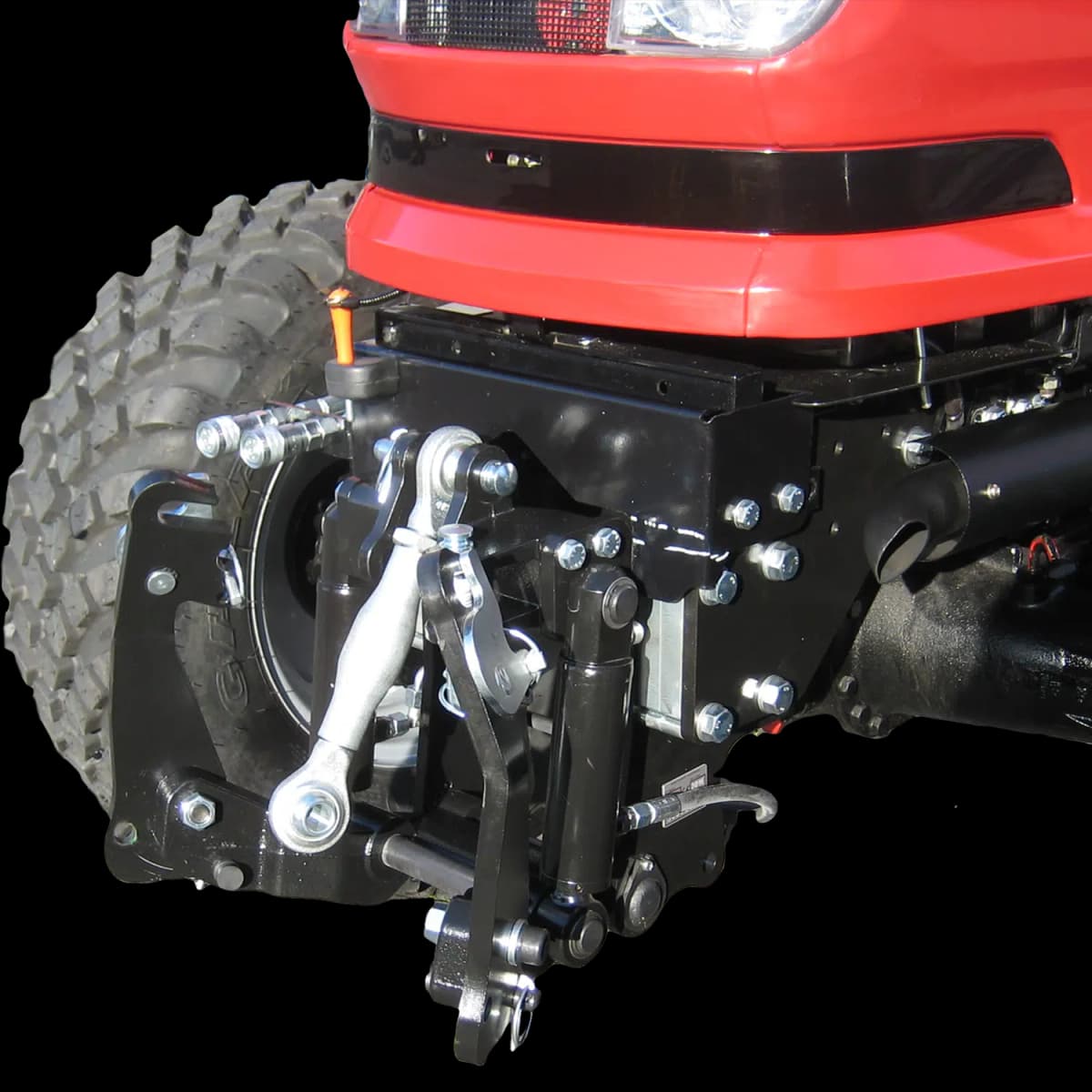
- Front linkage: a lifting system at the front, available from Knegt as the Zuidberg front linkage. Useful when you want to see the work ahead of the tractor or combine a front and rear implement.
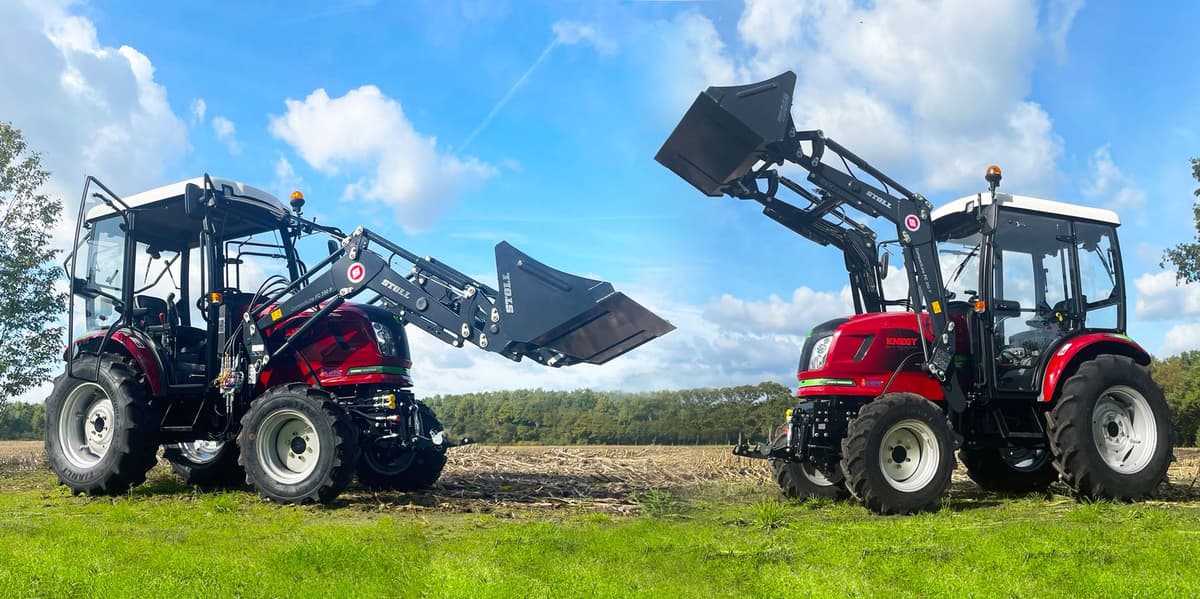
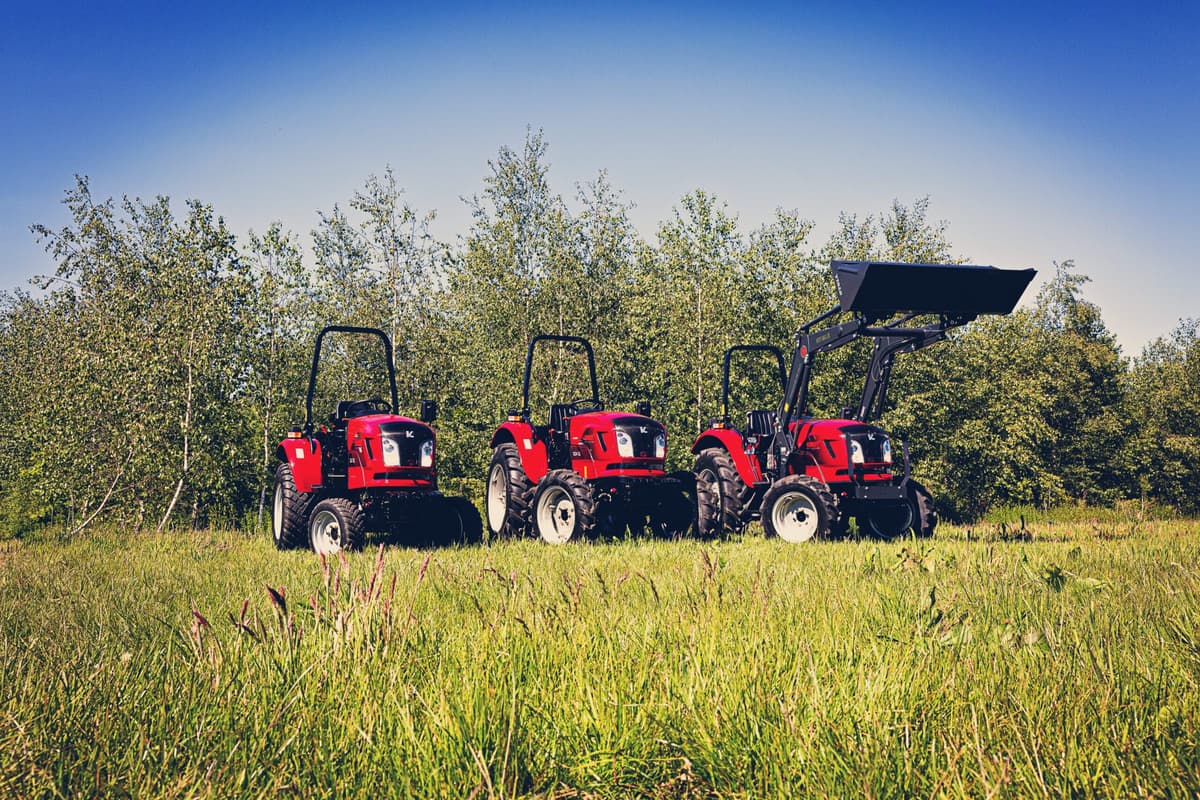
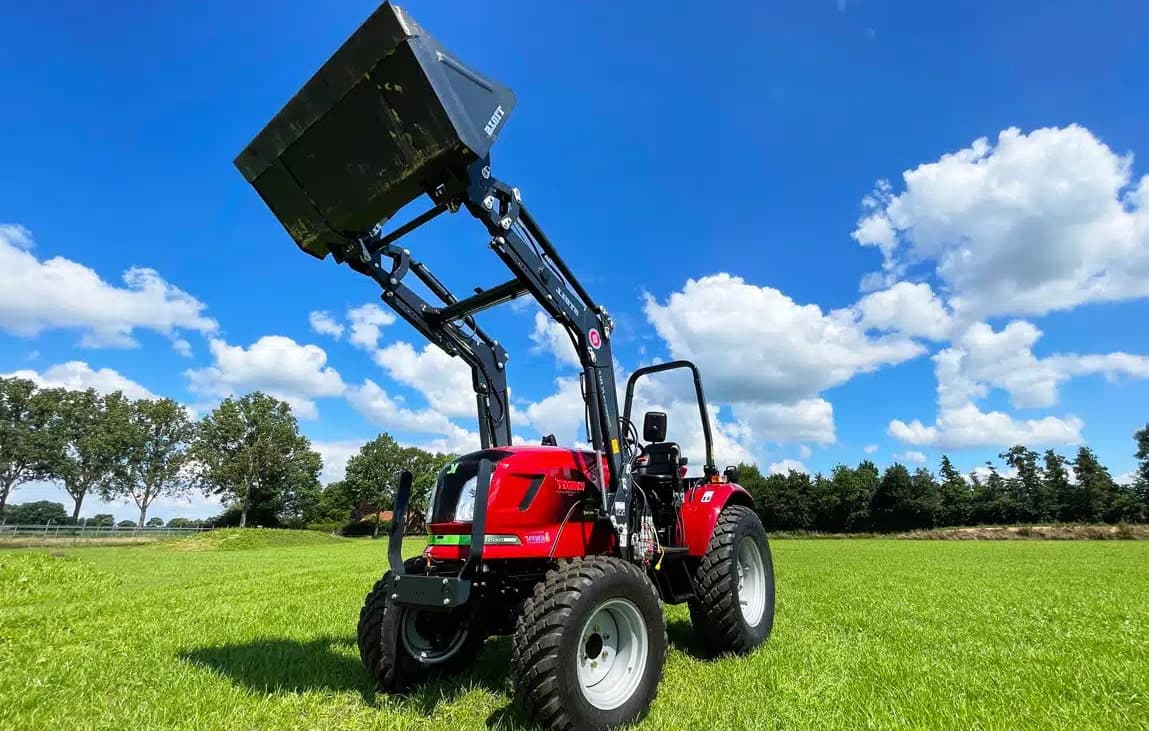
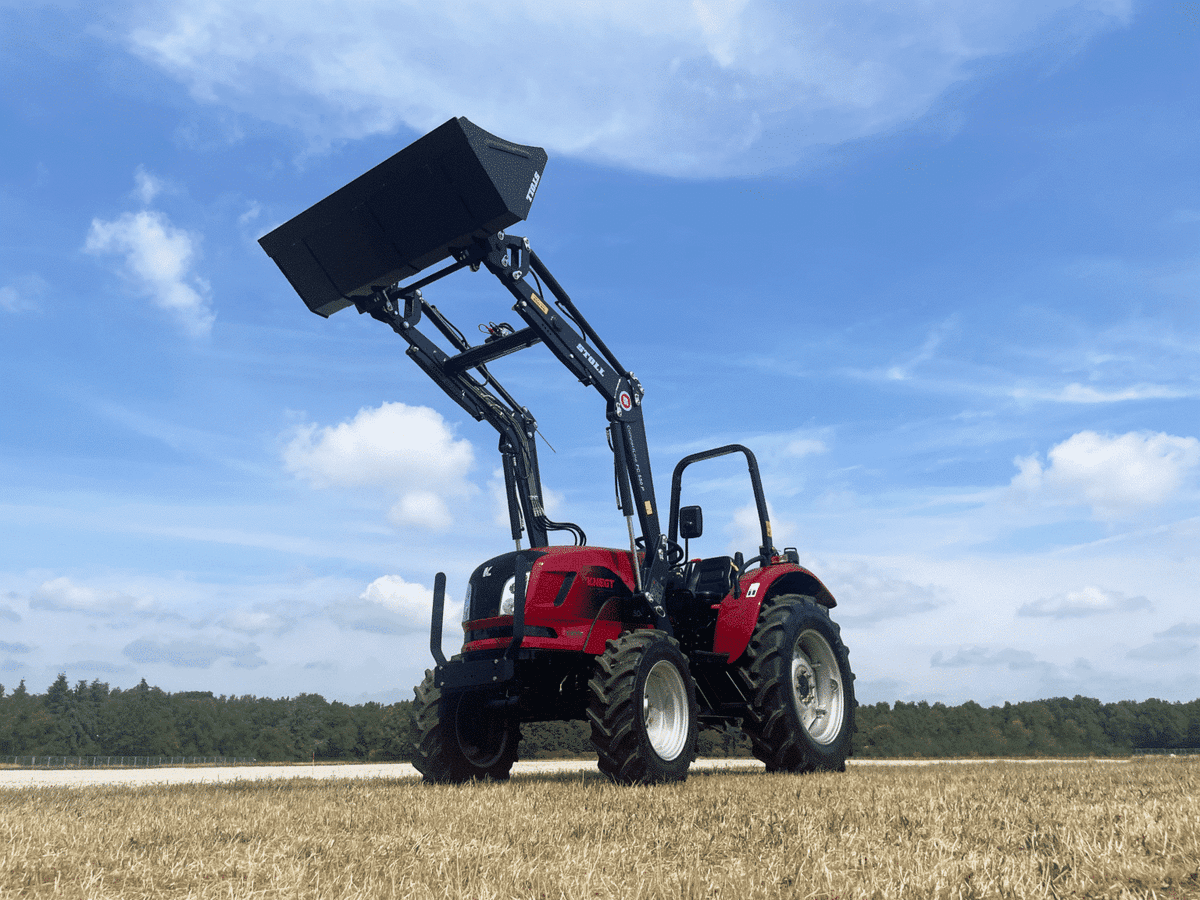
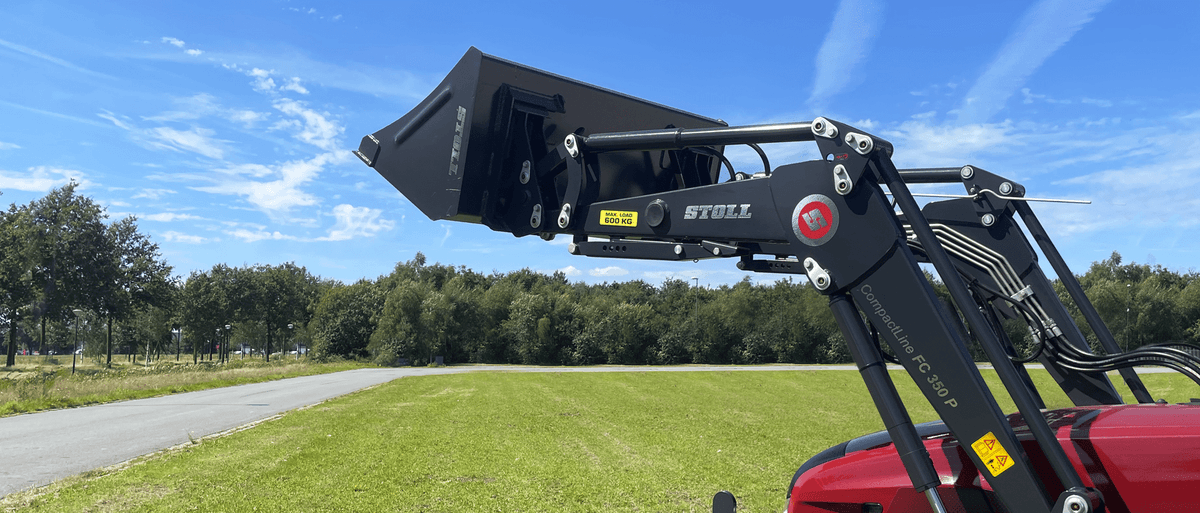
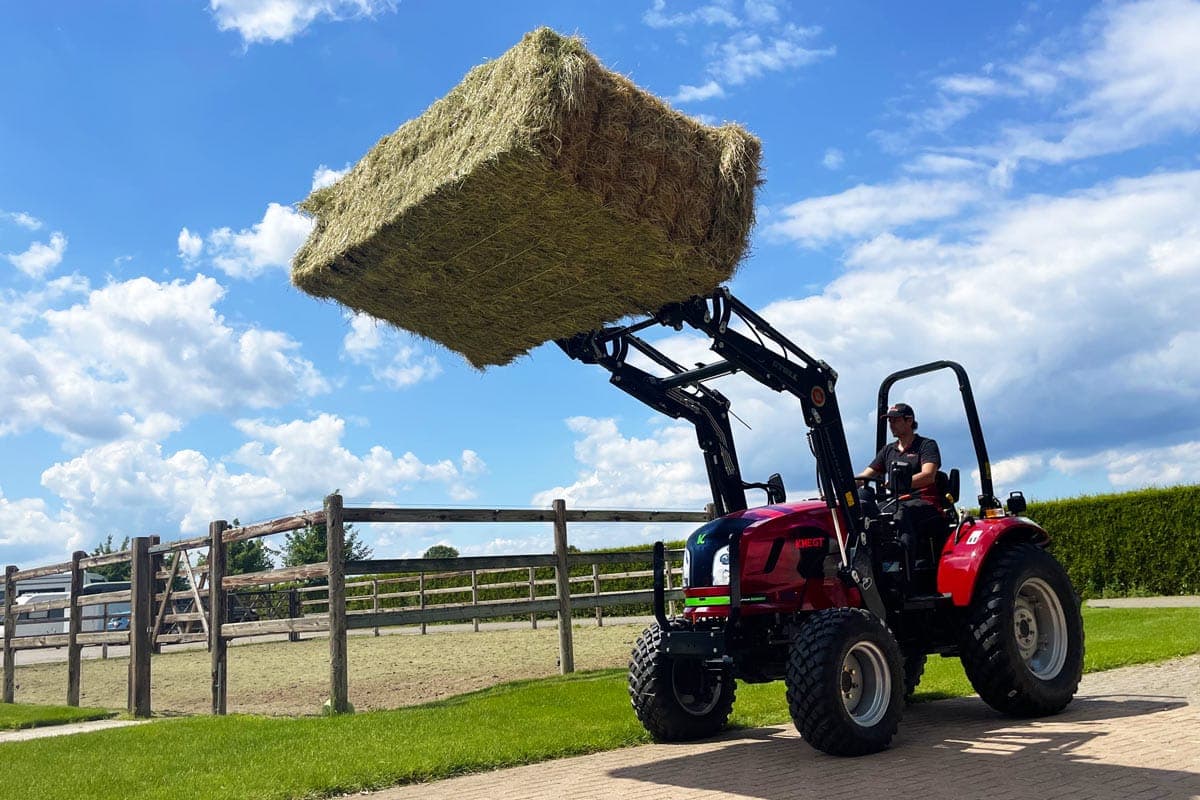
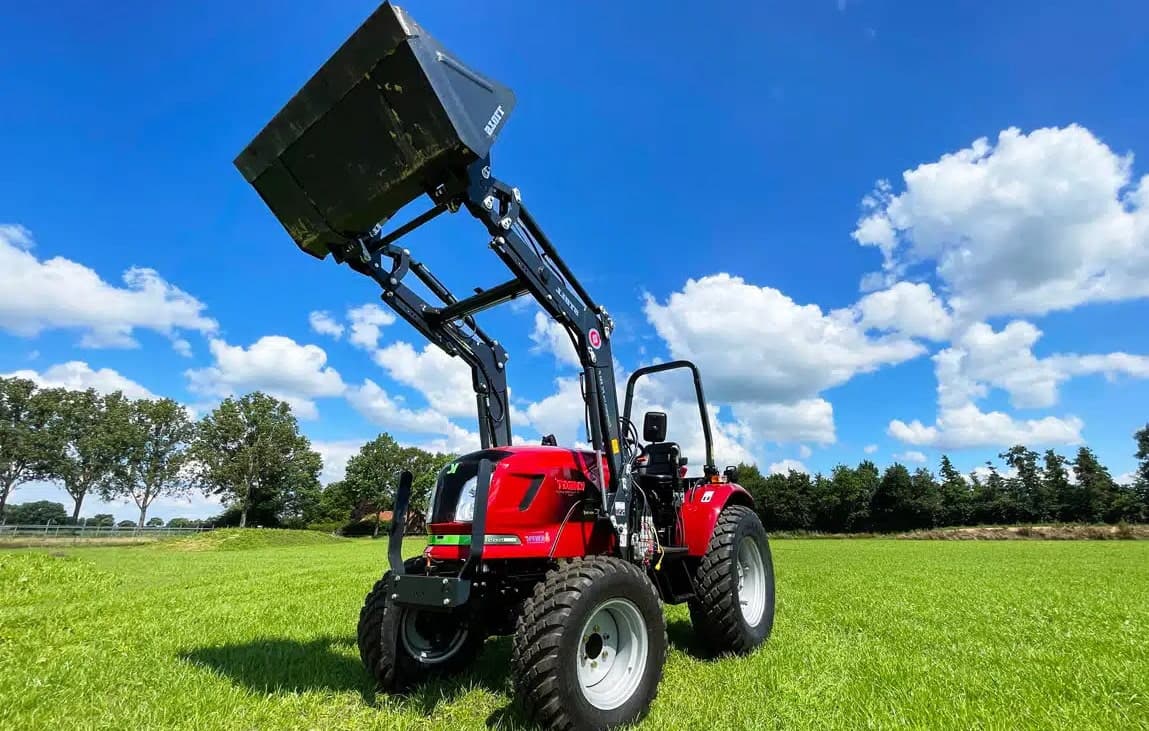
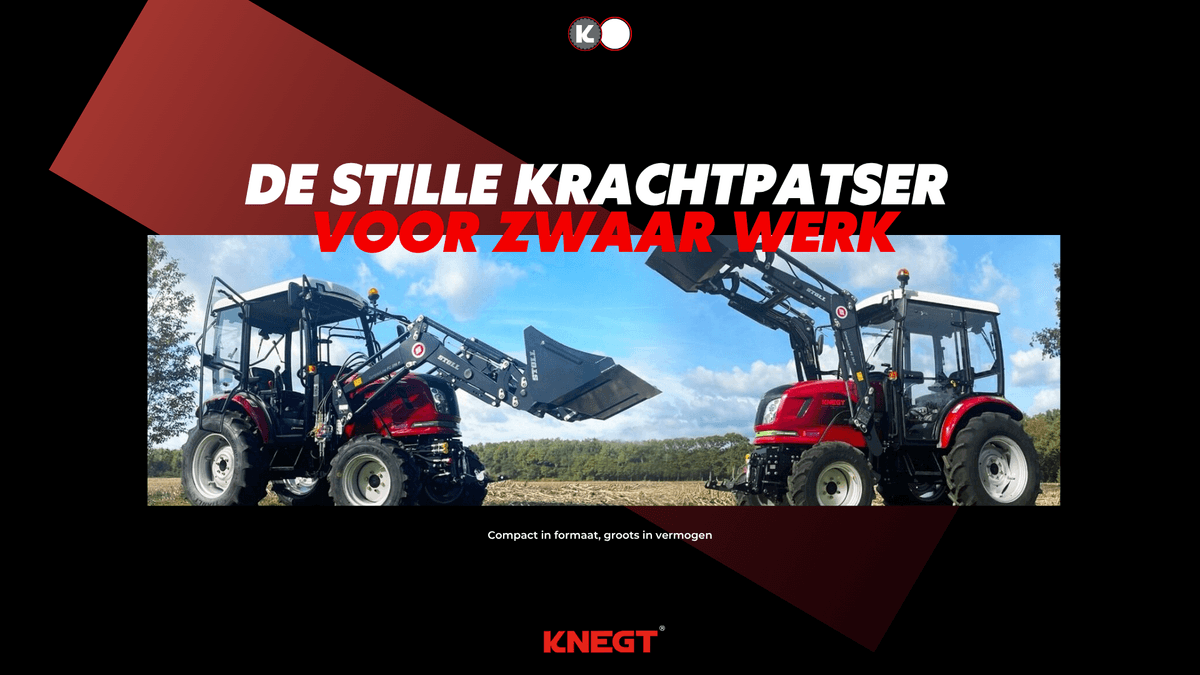
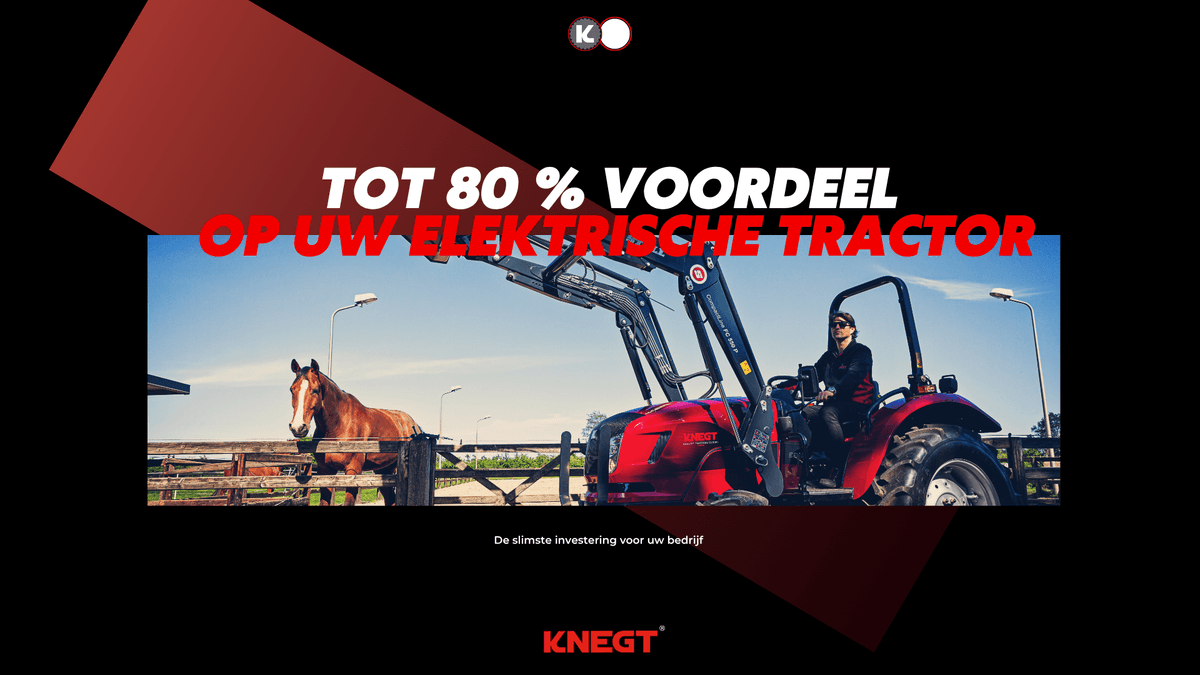
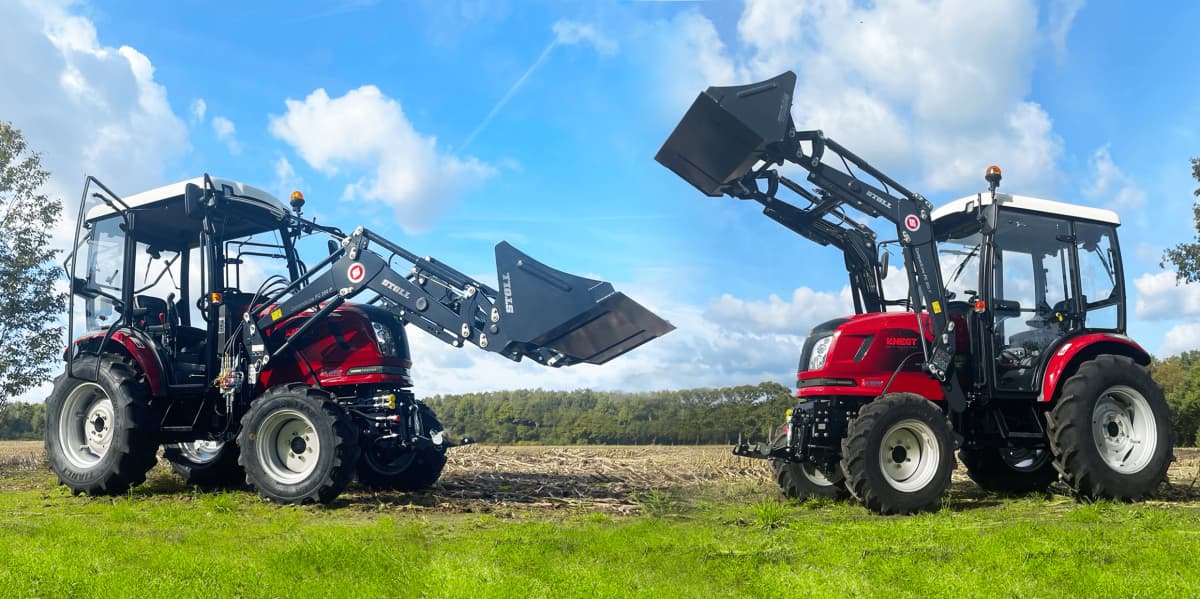
- Front loader: the Stoll front loader with interchangeable accessories such as a bucket, a 4-in-1 bucket or pallet forks. For loading, lifting and moving material.
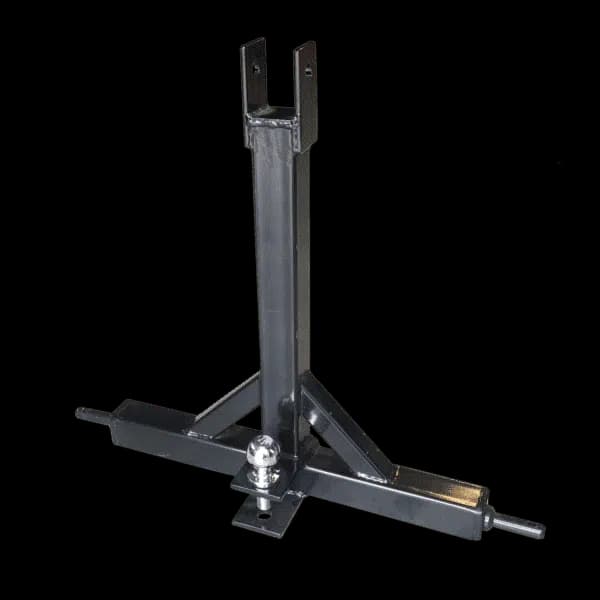
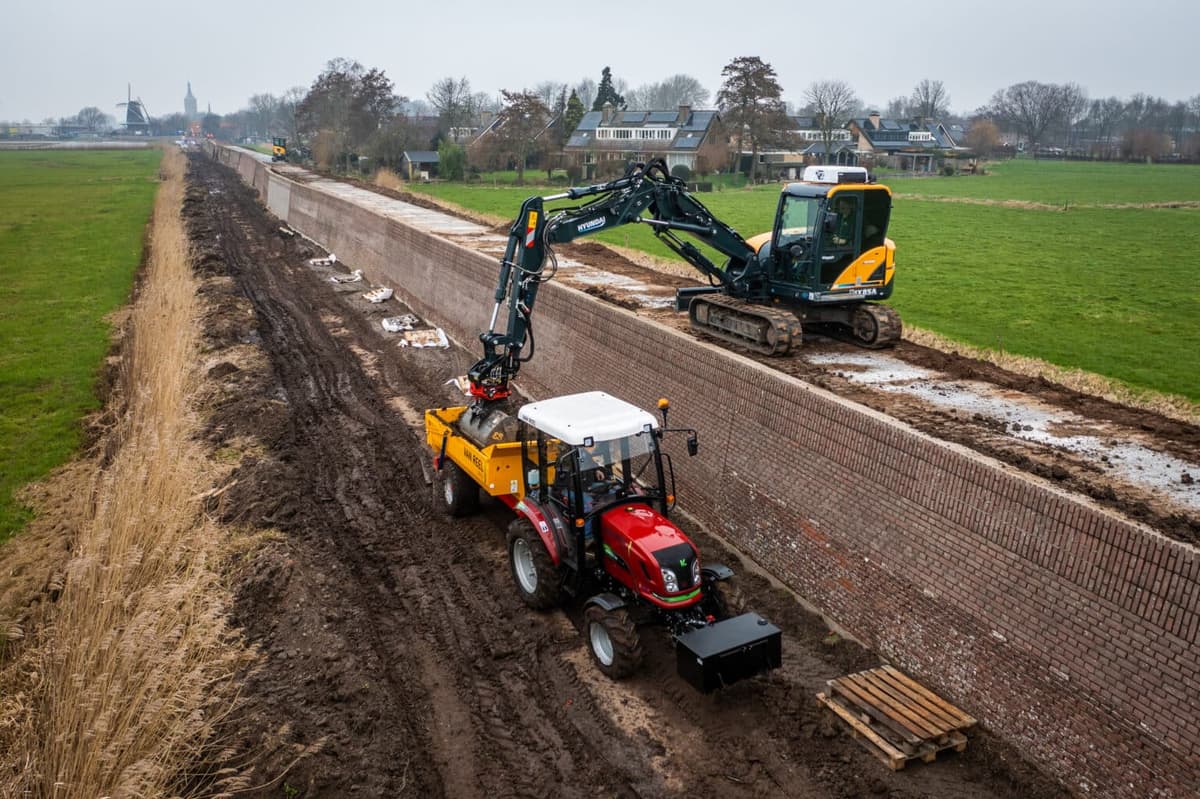
- Drawbar or tow hitch: for trailed implements and trailers. A three-point tow hitch turns the rear linkage into a towing point.
The models page lists the lift capacity of the three-point linkage and the PTO speed for each tractor. You need both figures to check whether an implement will fit.
Which attachment for which job?
The Knegt range can be grouped by type of work. An overview:
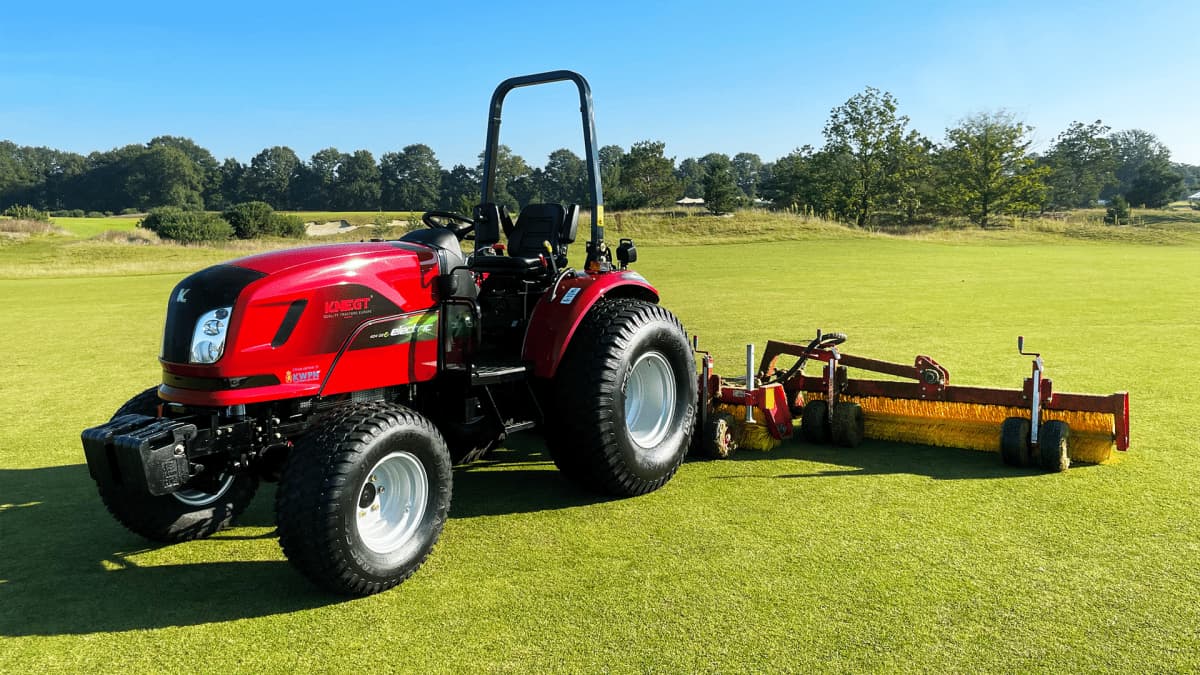
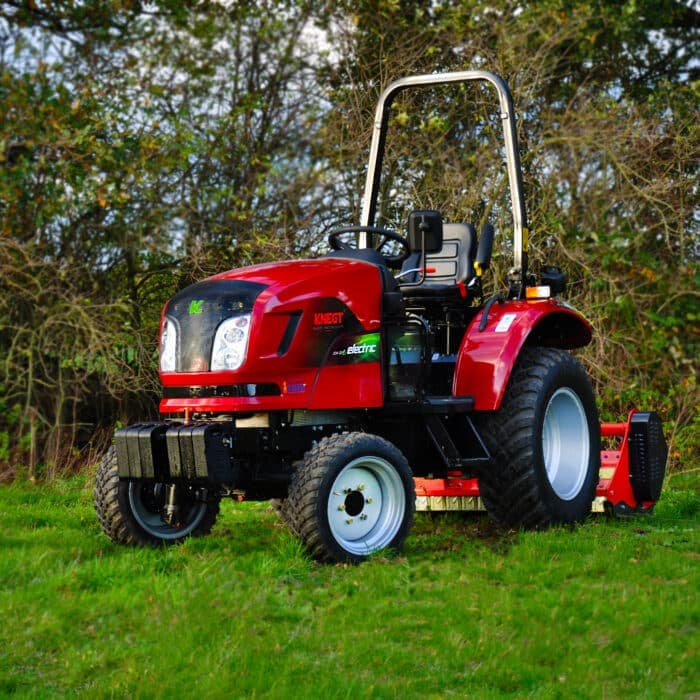
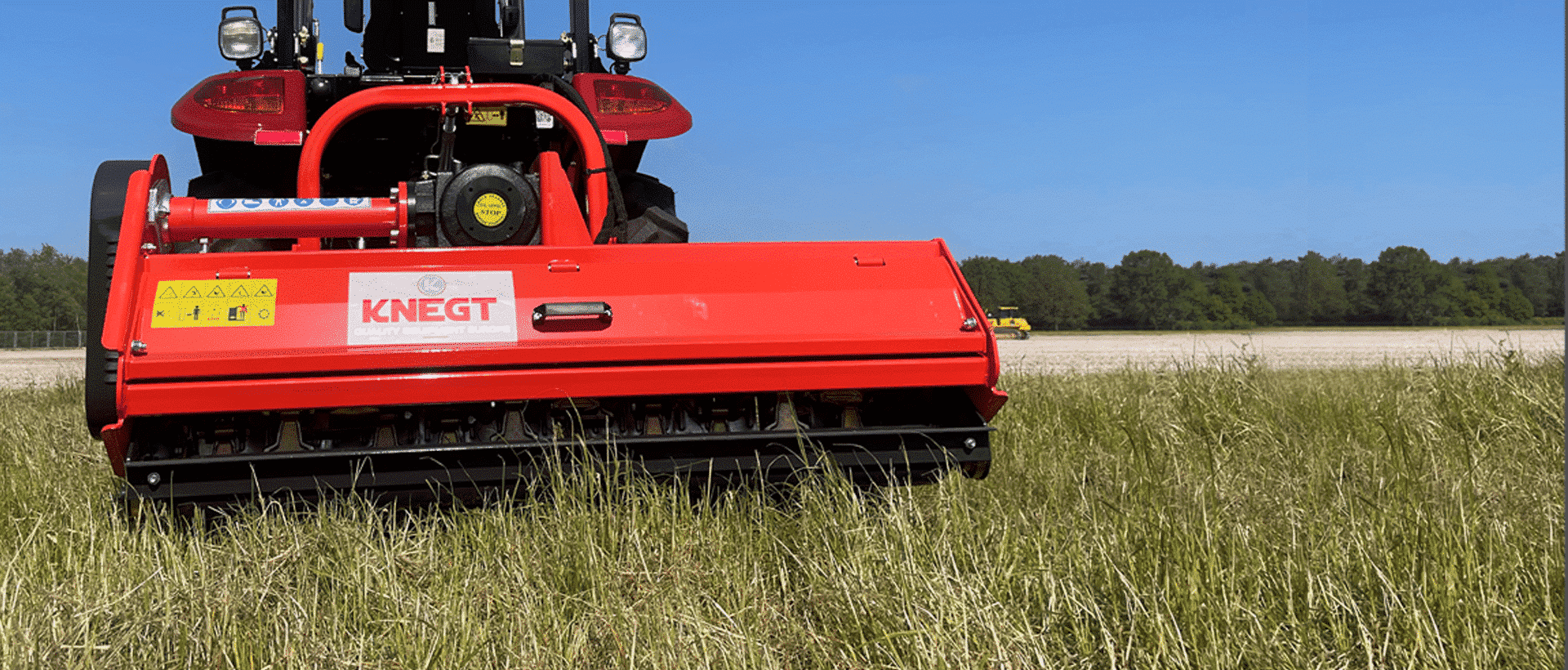
- Mowing and grass management: flail mowers for grass, rough vegetation and small branches; the sideshift flail mower, which moves sideways so you can mow along fences and obstacles; the verge flail mower for roadsides, ditch banks and slopes; the pasture topper for topping paddocks.
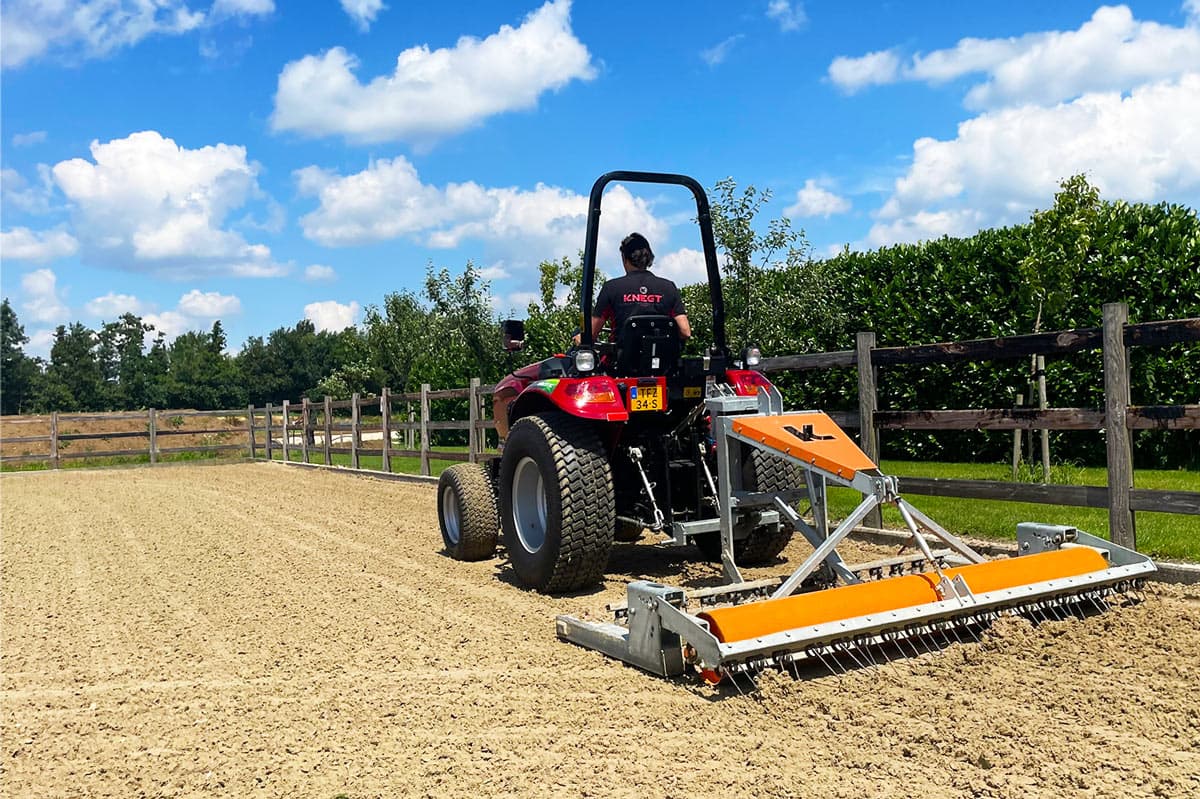
- Pasture and ground maintenance: the pasture harrow spreads manure and levels small bumps; the ground leveller makes paths, arenas and yards level.
- Soil preparation: the power harrow and stone burier rotary tiller prepare a seed or planting bed; the post hole digger drills holes for posts and planting.
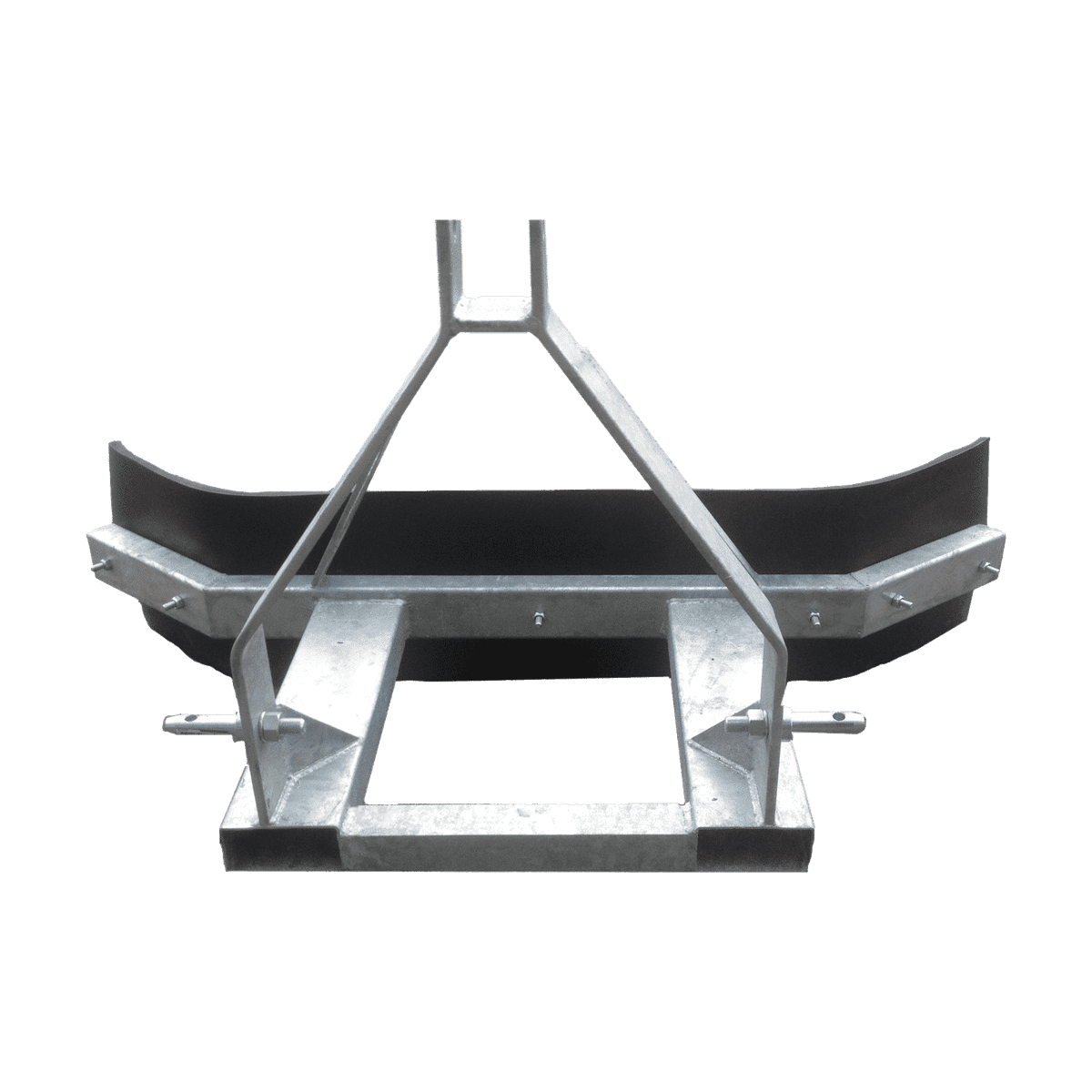
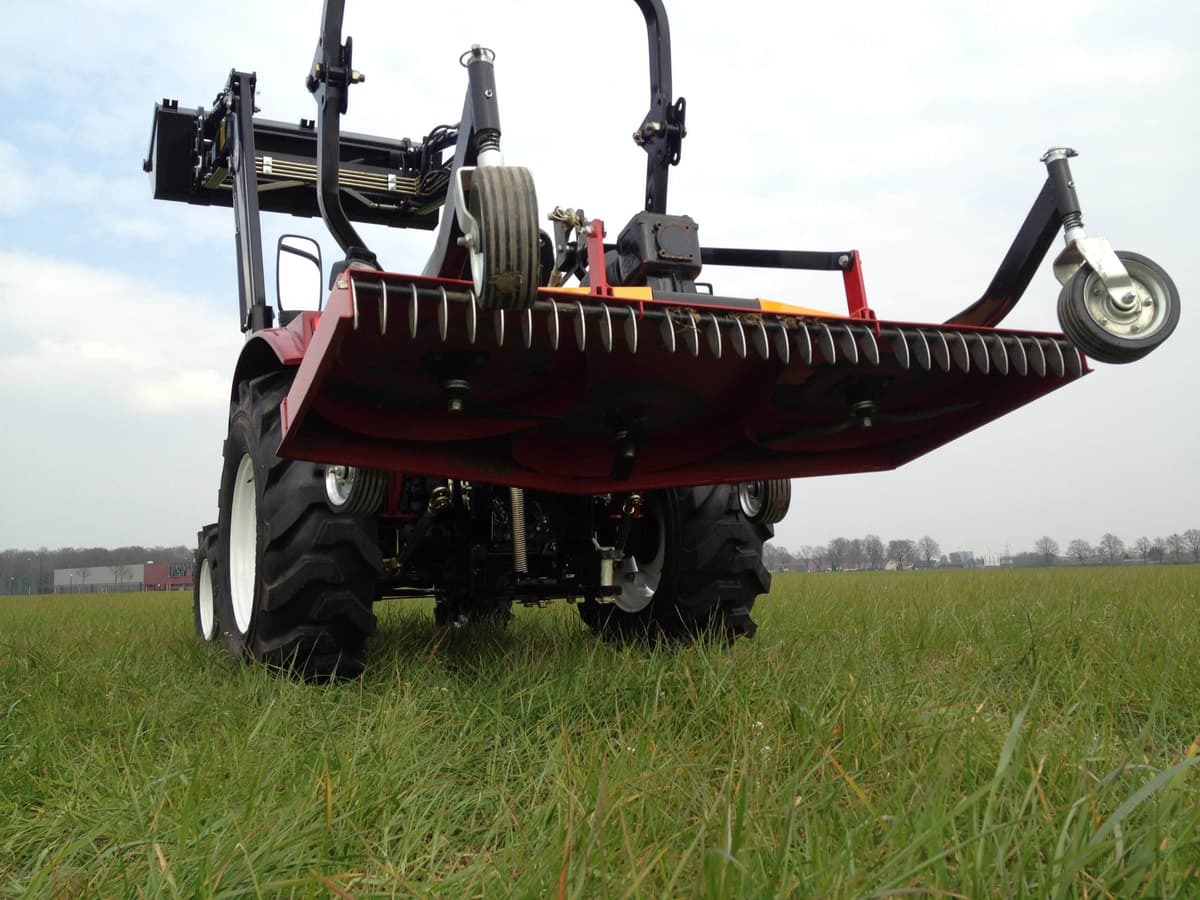
- Barn and yard: the manure scraper clears manure, mud and loose soil from paths and barns.
- Spreading: the fertiliser spreader distributes fertiliser evenly over grassland and fields.
- Loading and transport: the Stoll front loader with bucket, 4-in-1 bucket or pallet forks, the pallet carrier on the three-point linkage, the transport box and the bale clamp for moving bales.
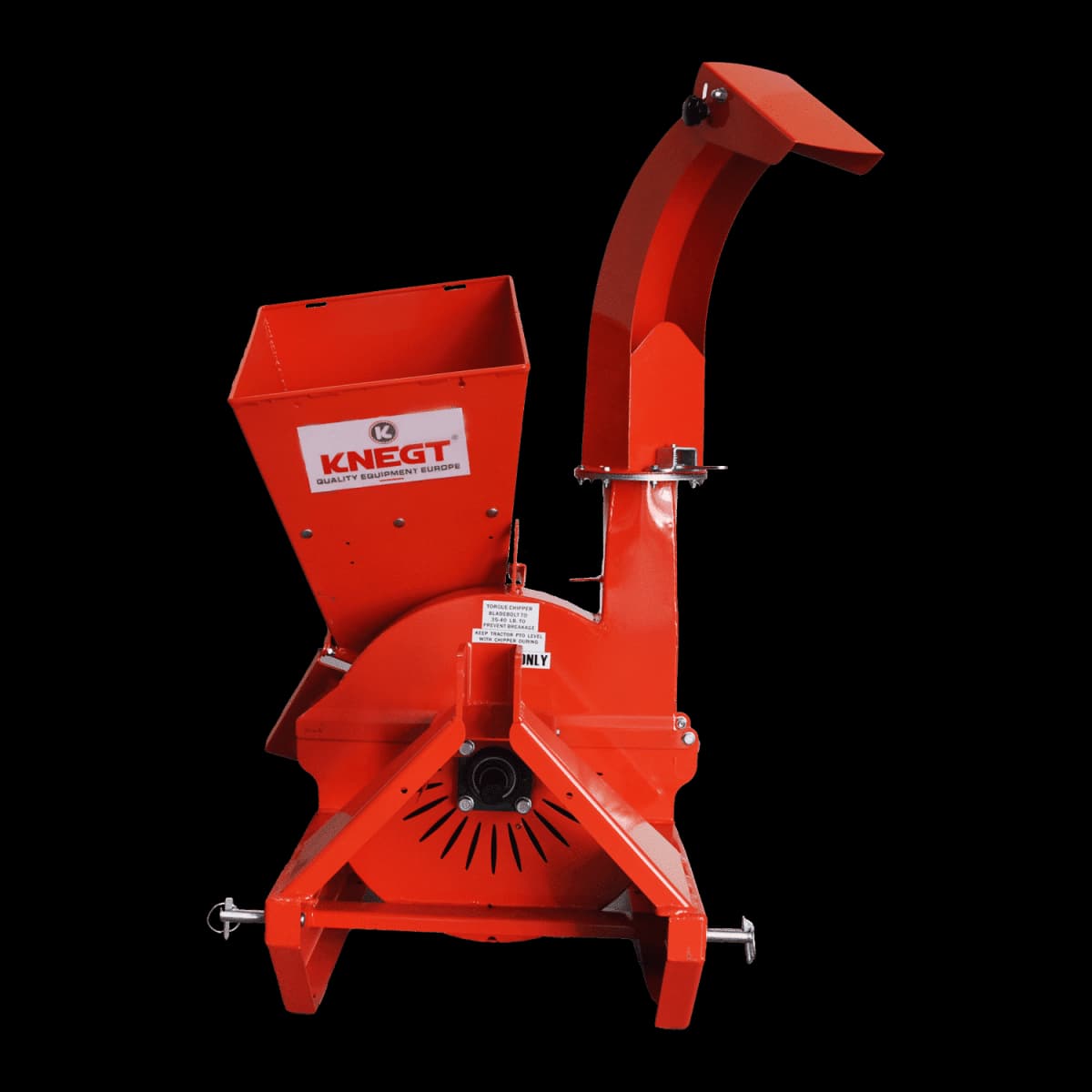
- Wood and pruning waste: the wood chipper turns branches and prunings into chips.
On top of that there are accessories that make the tractor itself better suited to the job, such as turf tyres for delicate grass and a cab or half cab for working in bad weather.
Does the implement suit your tractor?
An implement that looks suitable on paper can turn out too heavy, too wide or too demanding in practice. Always check these points:
- Hitch: does the implement match the category of the three-point linkage, the front linkage or the front loader's mounting plate?
- Weight and centre of gravity: compare the weight of the implement, including its load, with the tractor's lift capacity. The further back the centre of gravity, the less the linkage can lift.
- Working width: a mower slightly wider than the tractor also cuts the wheel tracks. Too wide makes the combination awkward on narrow paths and in greenhouses.
- PTO: rotating implements are designed for a specific speed. Check that it matches your tractor's PTO.
- Power: heavy implements such as a rotary tiller or wood chipper need more power than a pasture harrow. The more of this kind of work you do, the heavier the model you should choose.
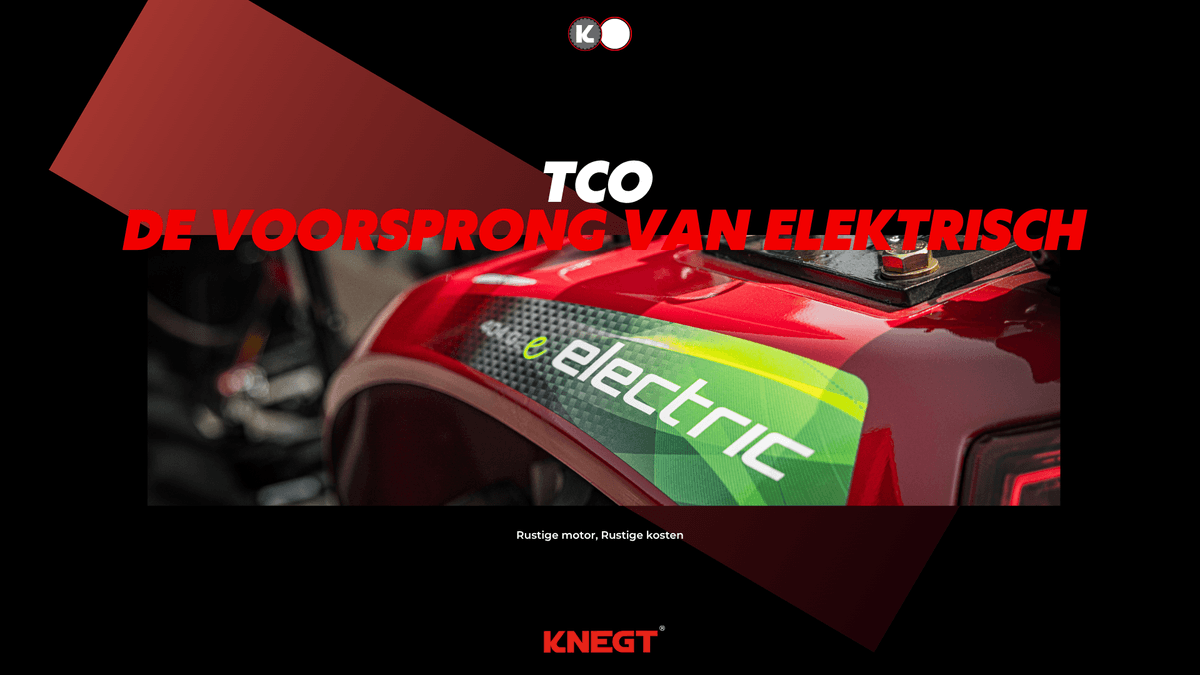
On Knegt's electric compact tractors, driving and hydraulics each have their own electric motor. The 304G2E has 30 hp for driving, the 404G2E 40 hp and the 504G3E 50 hp, and all three have 15 hp for the hydraulics. That leaves hydraulic power available for the linkage and front loader while you drive.
Building your set of attachments in 5 steps
Start with the work, not the implement. That way you avoid buying attachments that hardly get used:
- Step 1: list all the tasks on your site and note how often you do them: daily, weekly or seasonally.
- Step 2: choose an implement first for the tasks you do most often. Usually that means a mower and a front loader.
- Step 3: see which tasks can be combined in one implement. A front loader with interchangeable accessories, for example, replaces several separate tools.
- Step 4: choose the tractor model based on the heaviest implement you use regularly, not the lightest.
- Step 5: check hitch, weight, working width and PTO for each implement, and if in doubt, have a dealer check the combination.
If you choose an electric tractor, look at your working day as well. Run time depends on how hard you work and which battery you choose; heavy implements use more energy. Topping up the charge during breaks or an extra battery pack helps you get through the day.
Frequently asked questions
Will my existing implements fit a Knegt tractor?
Often they will, because the three-point linkage is standardised. Check the category, the weight and the PTO speed, or ask your dealer to assess the combination.
Are the implements suitable for both electric and diesel tractors?
Yes. Knegt's implements are intended for both the electric and the diesel models. Whether a specific implement fits depends on the model and the implement.
What is the difference between an implement and an accessory?
An implement does the work, such as mowing or tilling. An accessory makes the tractor better suited to the work, such as a front loader, front linkage, tow hitch, turf tyres or a cab.
How much do the implements cost?
Prices vary by implement and version. For a current price, request a quote, if you like together with a tractor.
Can I add implements later?
Yes. Many users start with a few implements and expand their set as the work requires. When choosing your tractor, keep in mind the implements you want to use later on.
Advice on attachments for your site
Would you like to know which implements best suit your work and your tractor? Book an advice session or find a Knegt dealer near you. Together we look at your tasks, your site and the right combination of tractor and attachments.
Would you rather see for yourself how a Knegt works with an implement? Request a free demo. For the price of a tractor with implements, simply request a quote.