Electric compact tractor in construction: zero-emission work
The short answer
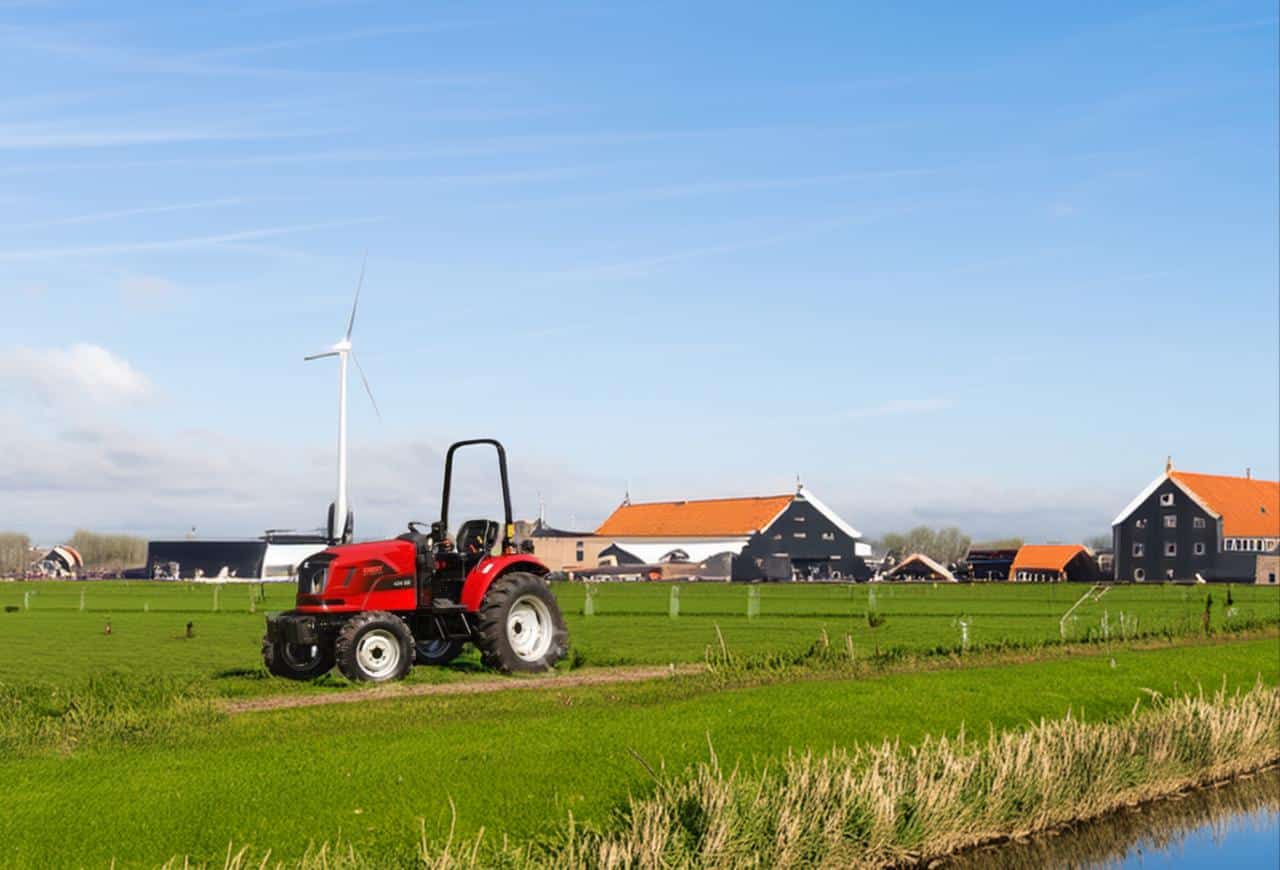
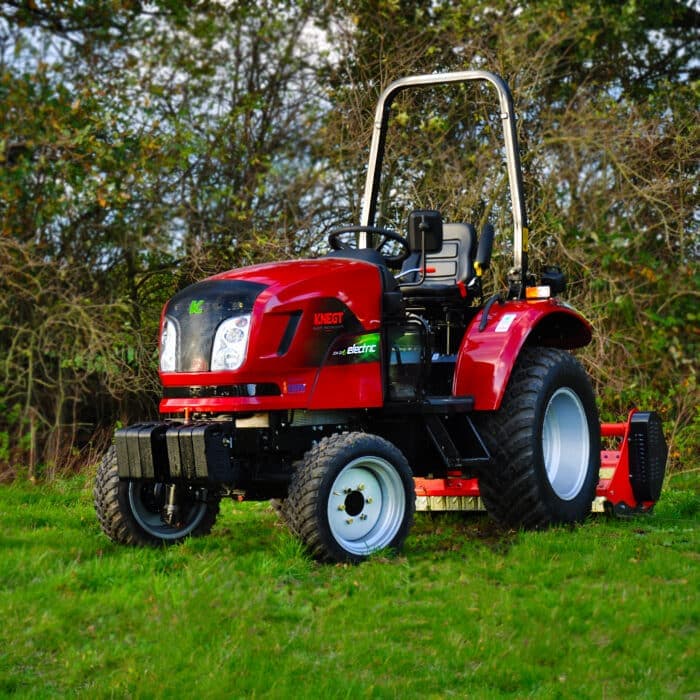
On a construction site, an electric compact tractor is a zero-emission machine for light earthmoving, moving materials and maintaining the site. There is no combustion engine, so you work without exhaust fumes and with little engine noise, even in residential areas, inner-city projects and enclosed spaces.
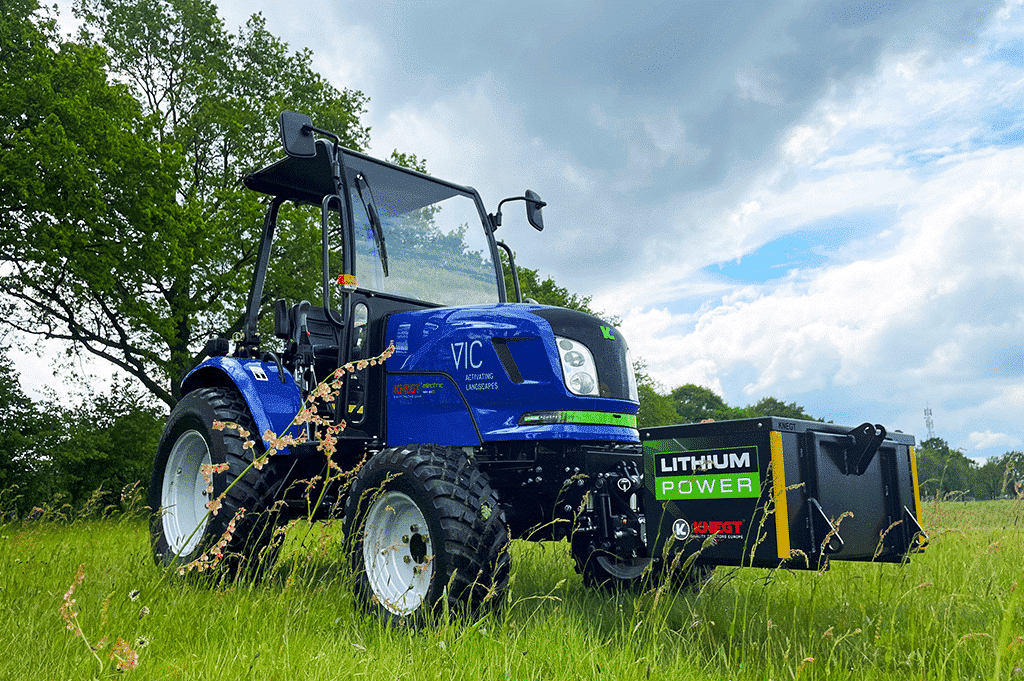
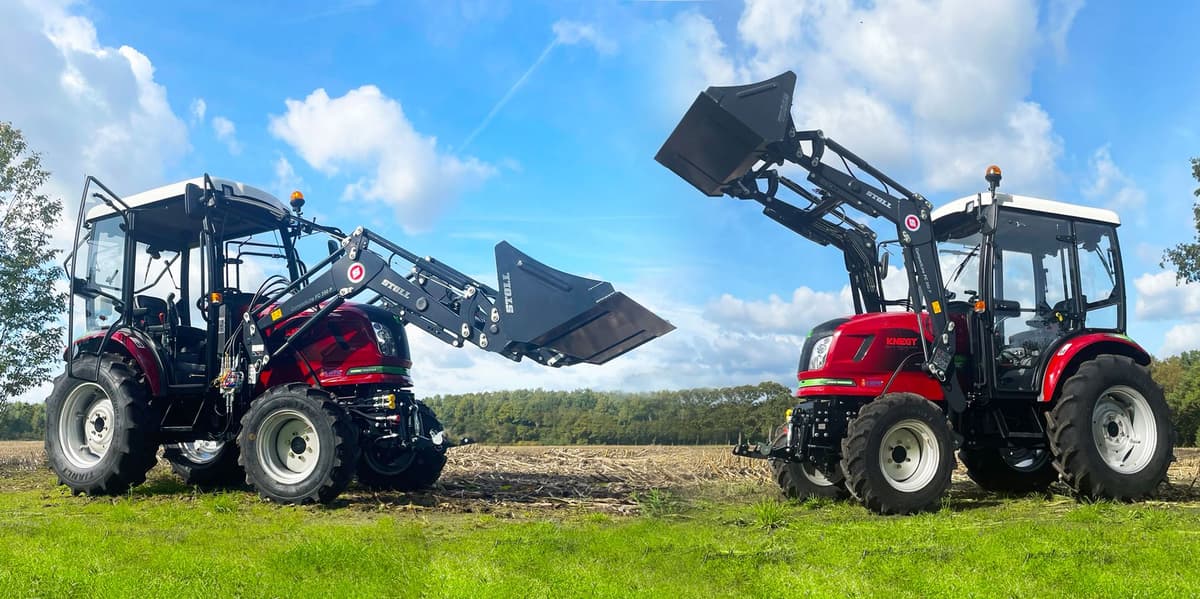
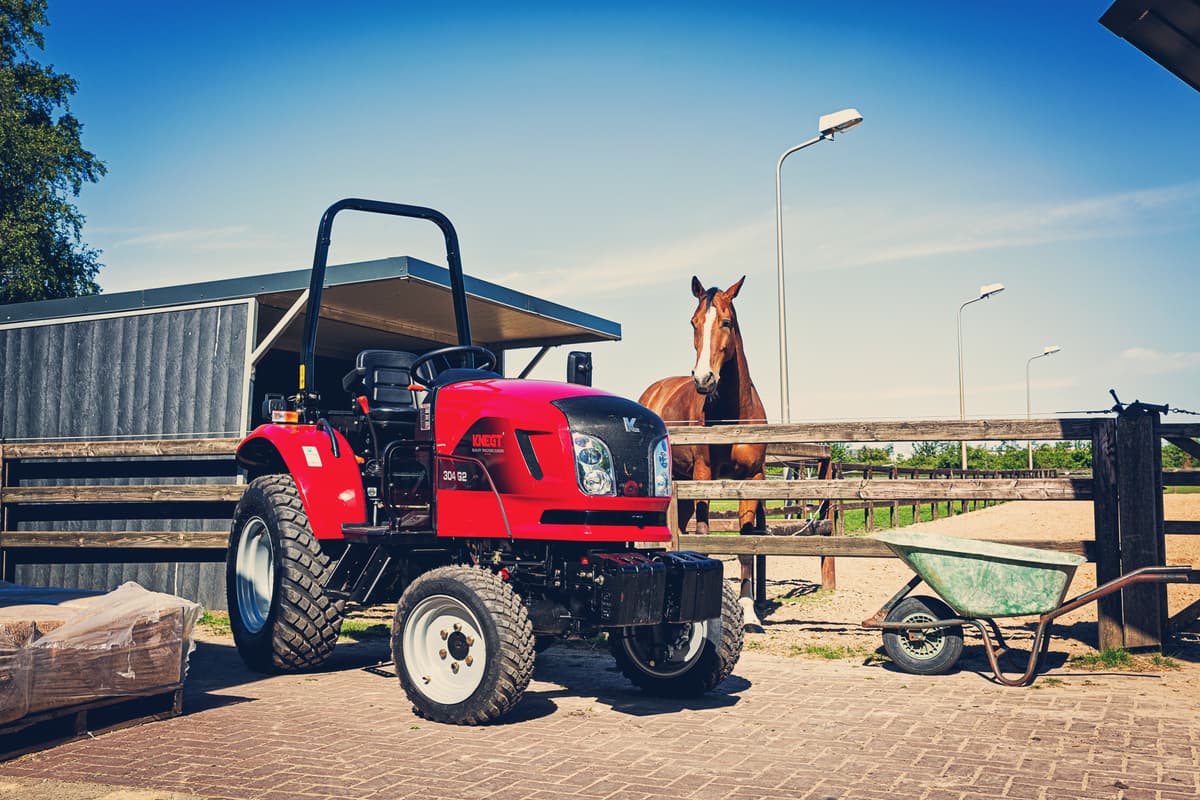
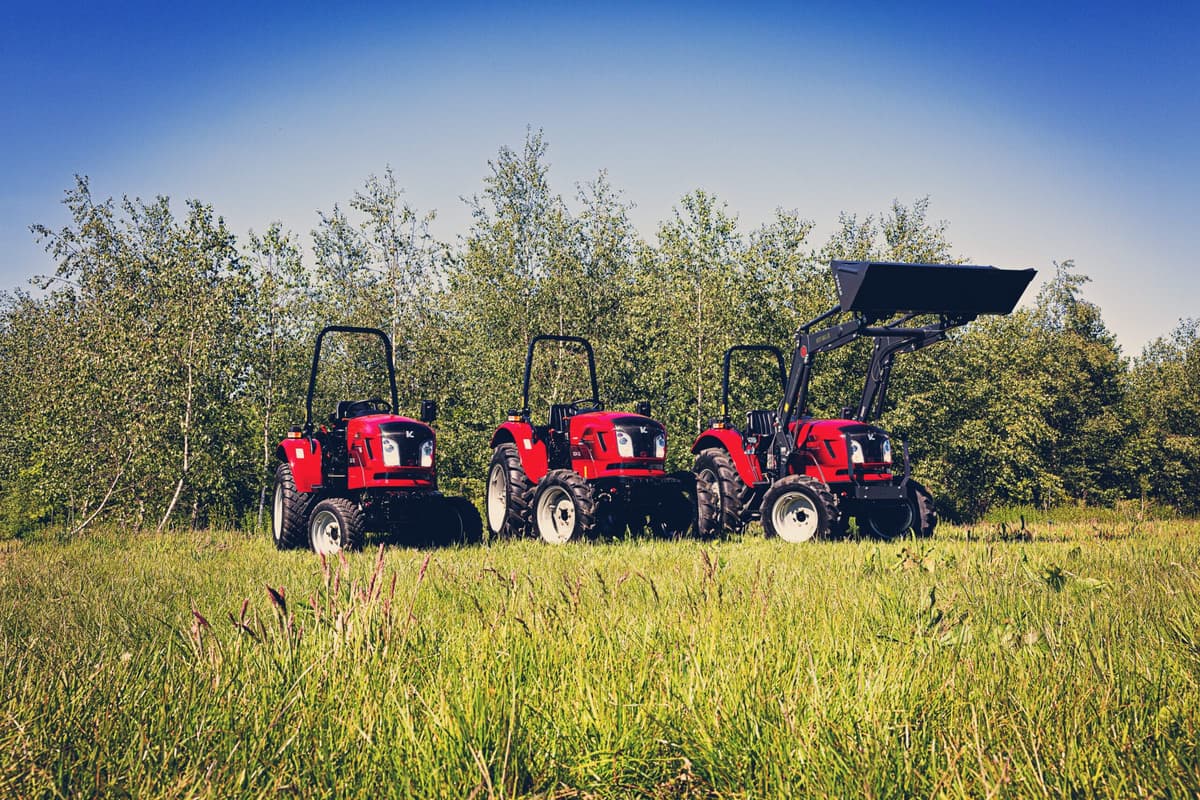
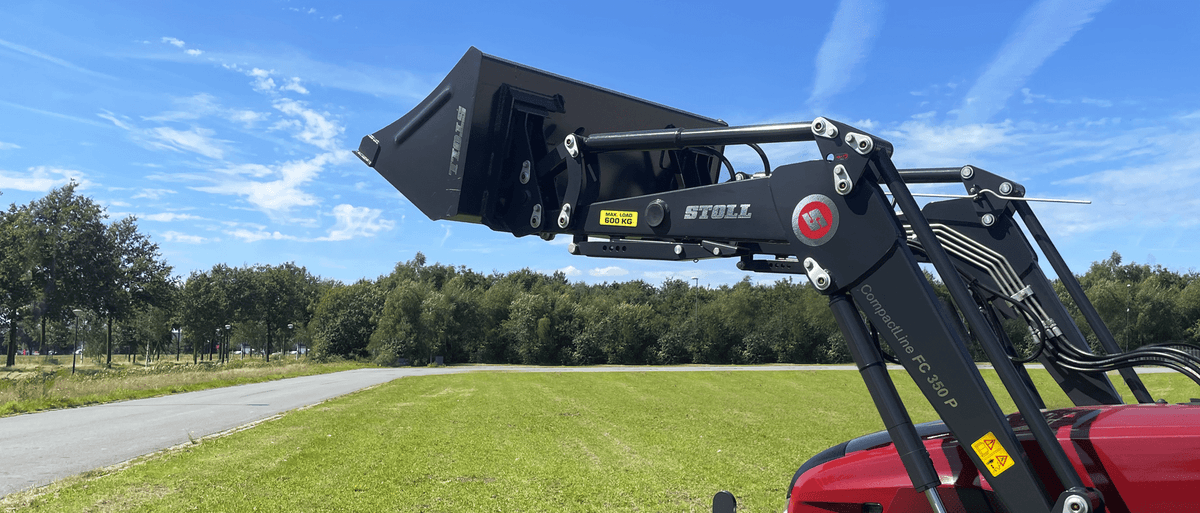
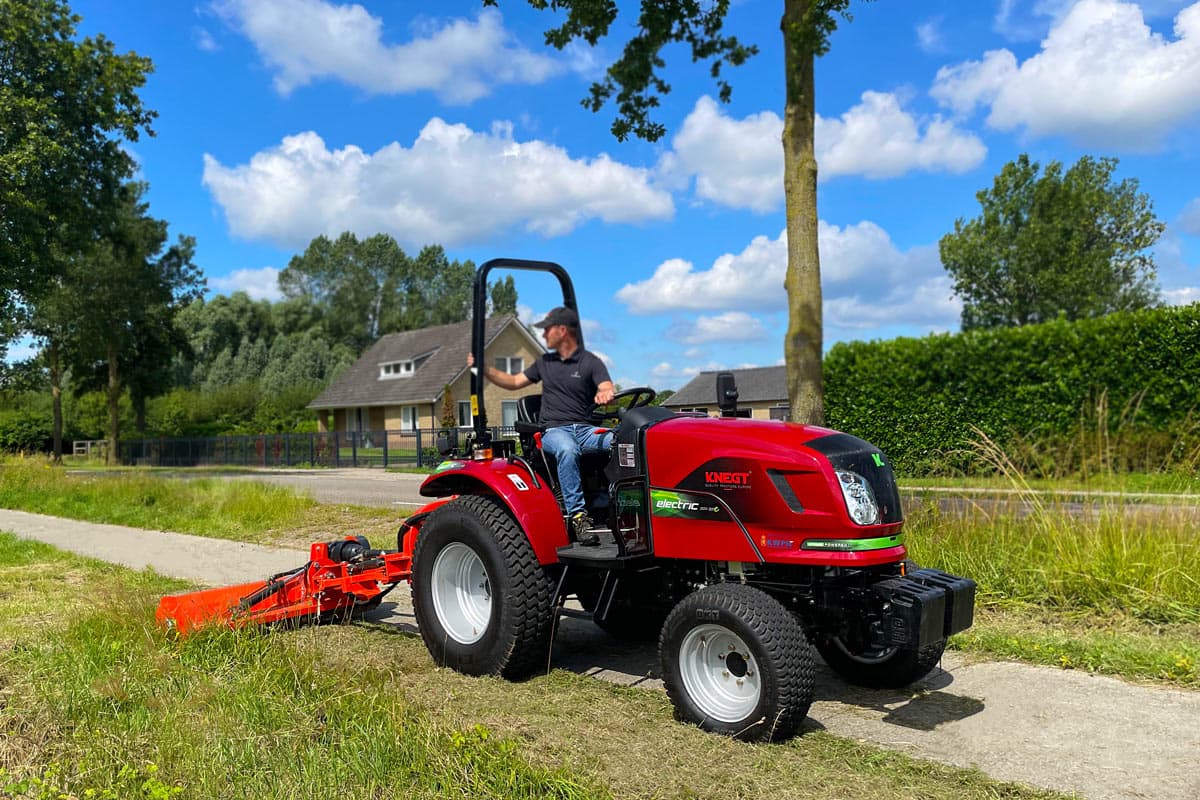
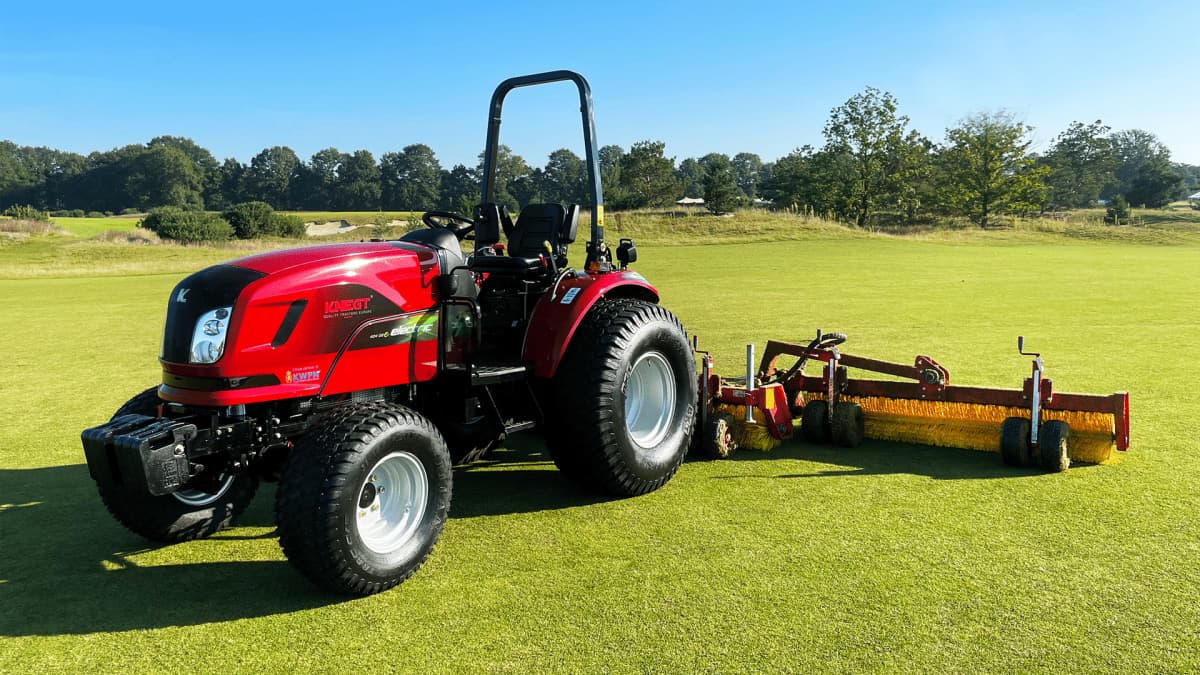
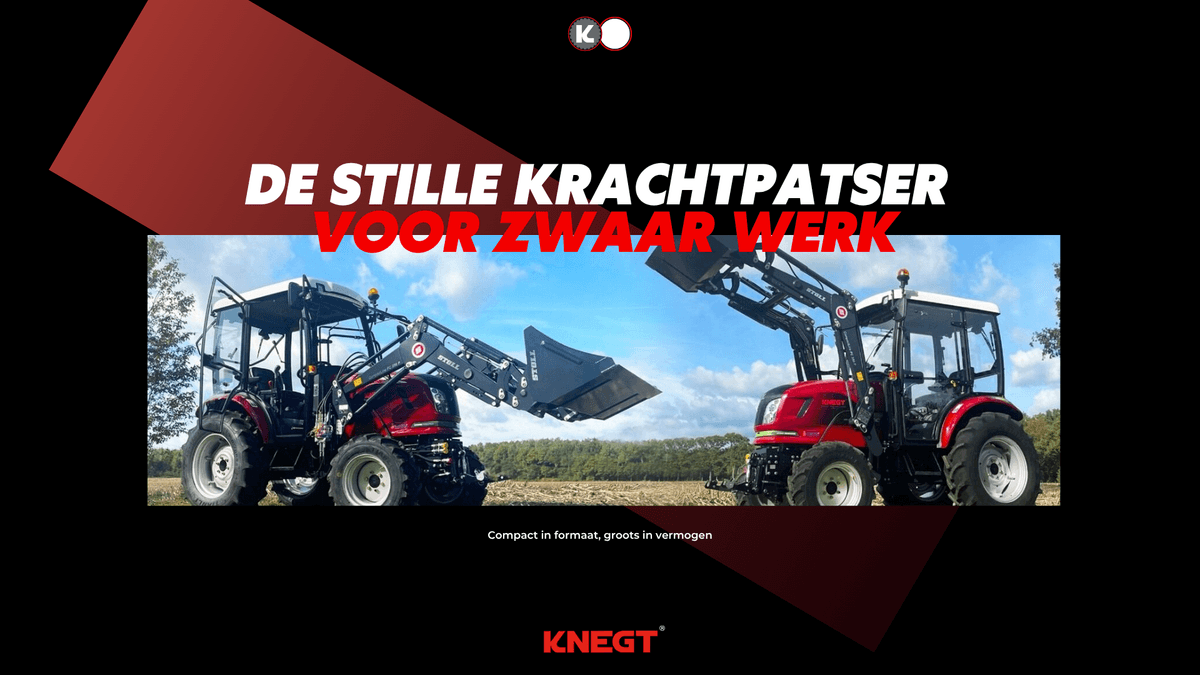
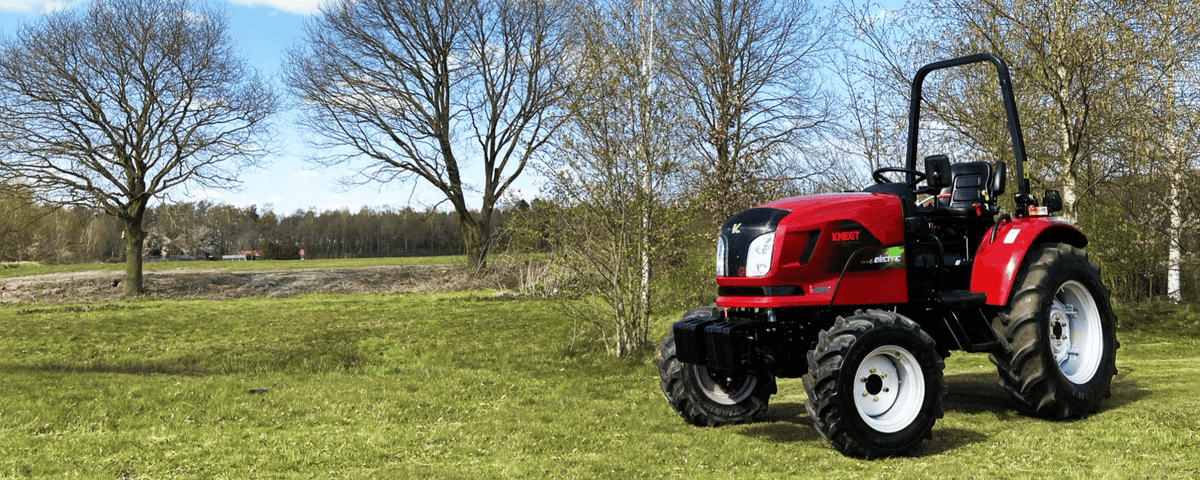
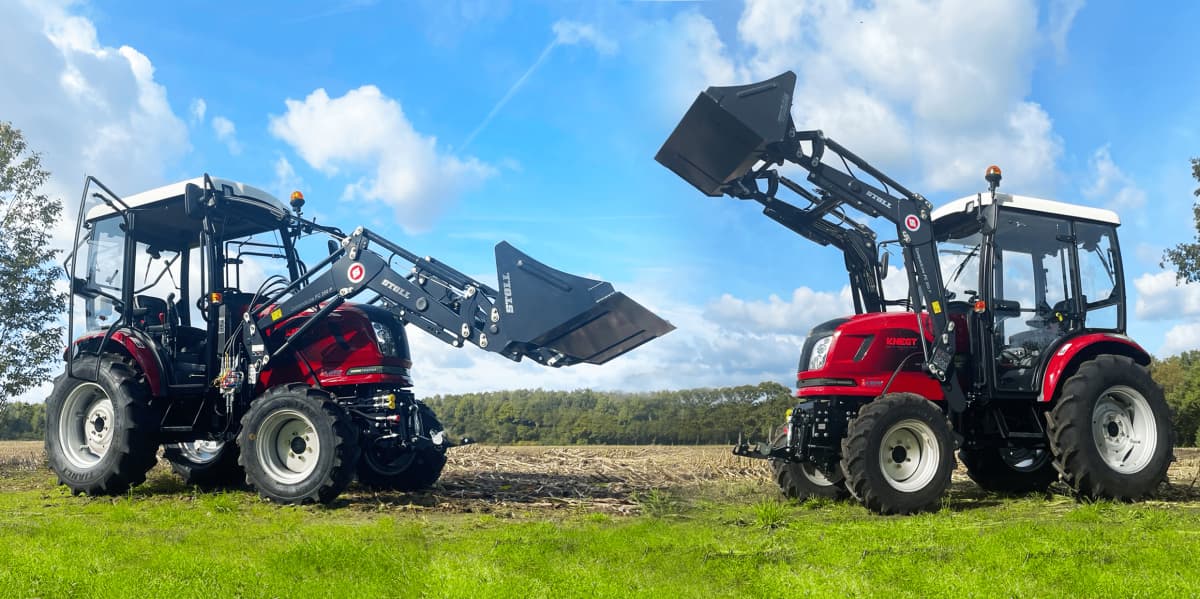
Knegt offers three electric models: the 304G2E (45 hp), 404G2E (55 hp) and 504G3E (65 hp). With a Stoll front loader, pallet carrier, trailer or another implement, the same tractor handles many different jobs on site.
Why zero-emission construction is becoming more important
Clients and public authorities increasingly ask for clean and zero-emission equipment on construction sites. In the Netherlands, where Knegt is based, the government supports this through the Clean and Emission-Free Construction programme (Schoon en Emissieloos Bouwen, SEB). Two Dutch schemes linked to it are published by the Netherlands Enterprise Agency (RVO):
- SPUK SEB: Dutch municipalities, provinces and water boards that signed the covenant can have part of the extra costs reimbursed when they use zero-emission equipment in their contracts. For contractors, this means zero-emission equipment increasingly counts when winning work.
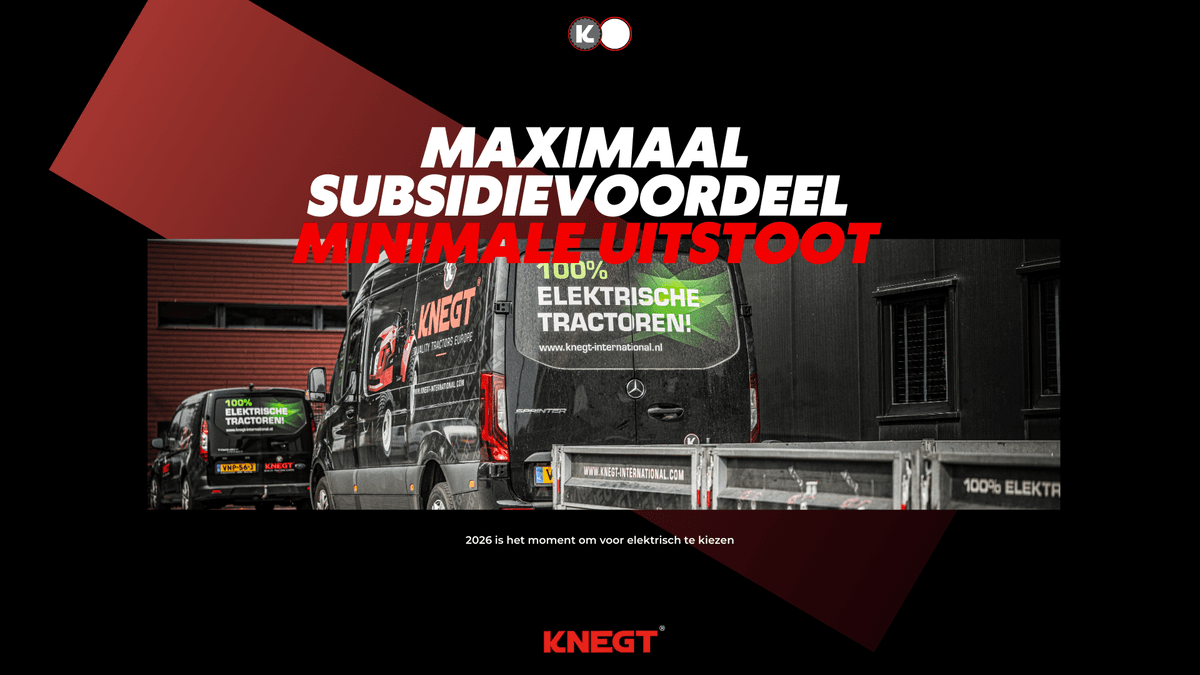
- SSEB Aanschaf: a subsidy for construction companies and rental firms established in the Netherlands that buy or financially lease new zero-emission construction equipment. The 2026 list of construction machines includes a tractor or comparable multifunctional construction machine with an engine output from 19 kW. The 2026 application round ran from 3 March to 30 October 2026 and is closed.
According to RVO, SSEB and the Dutch MIA scheme cannot be combined in 2026. Outside the Netherlands, other rules apply. Whether your machine and company qualify for any scheme depends on the conditions at the time, so always check with the official authority and your adviser.
What does an electric tractor do on a construction site?
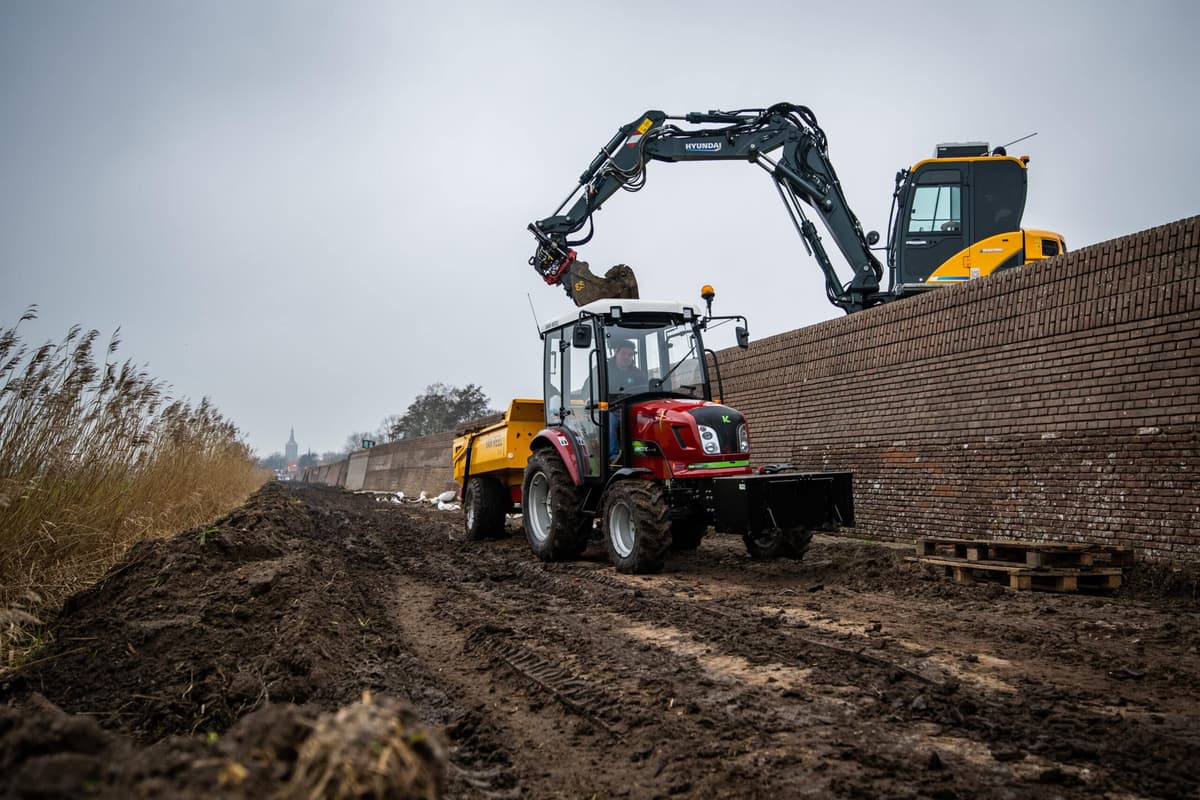
Knegt names earthmoving, demolition, infrastructure projects and transporting building materials as applications in construction. In practice, that looks like this:
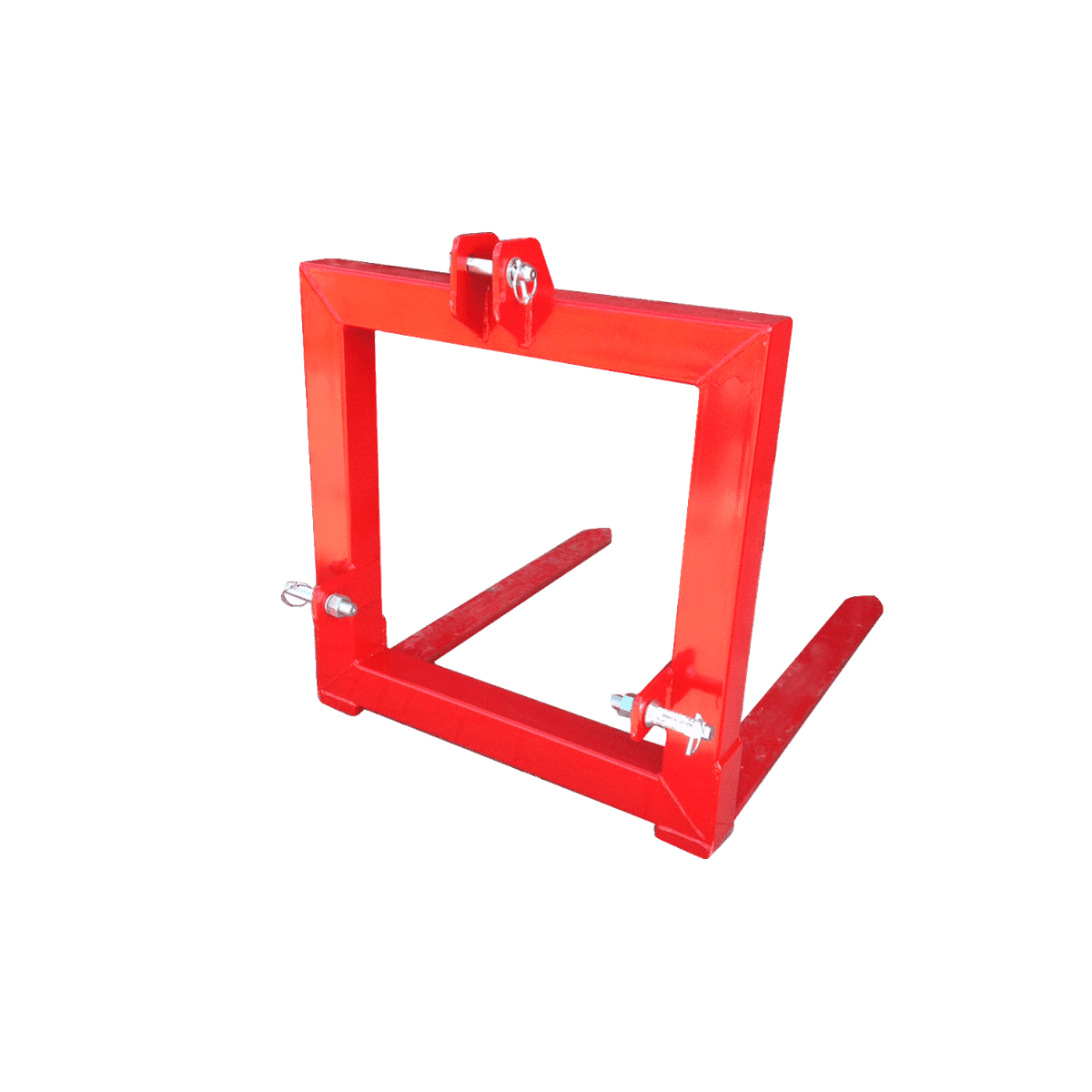
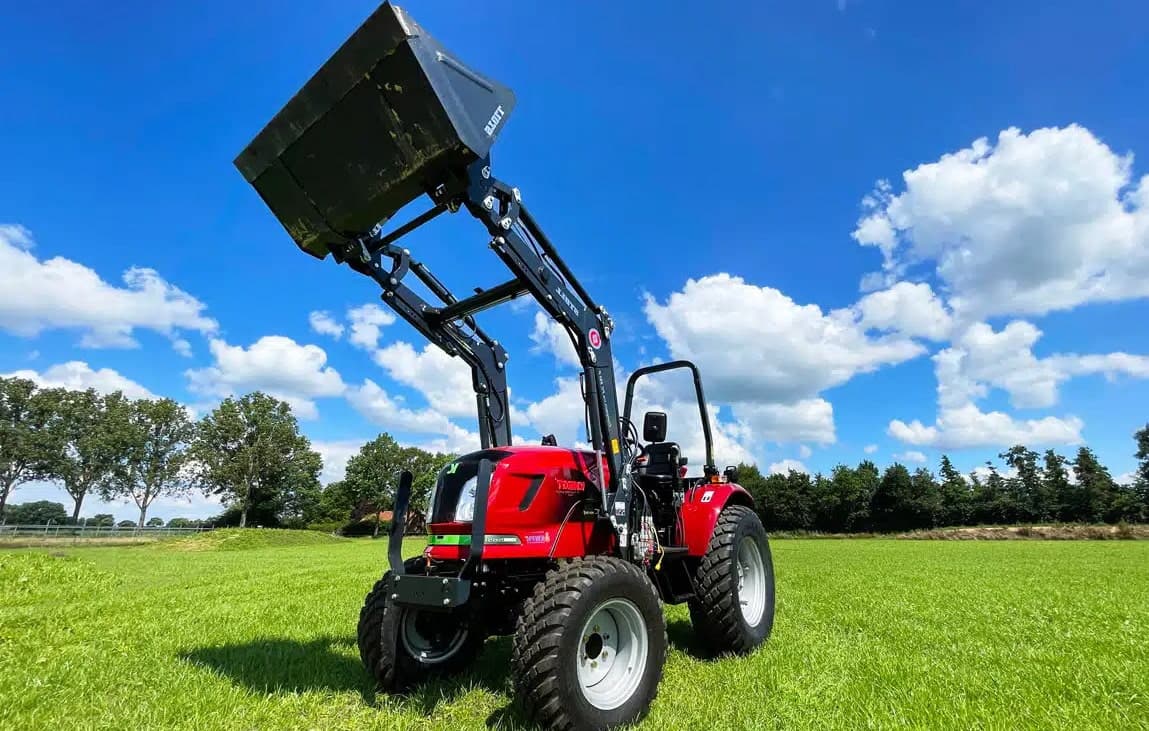
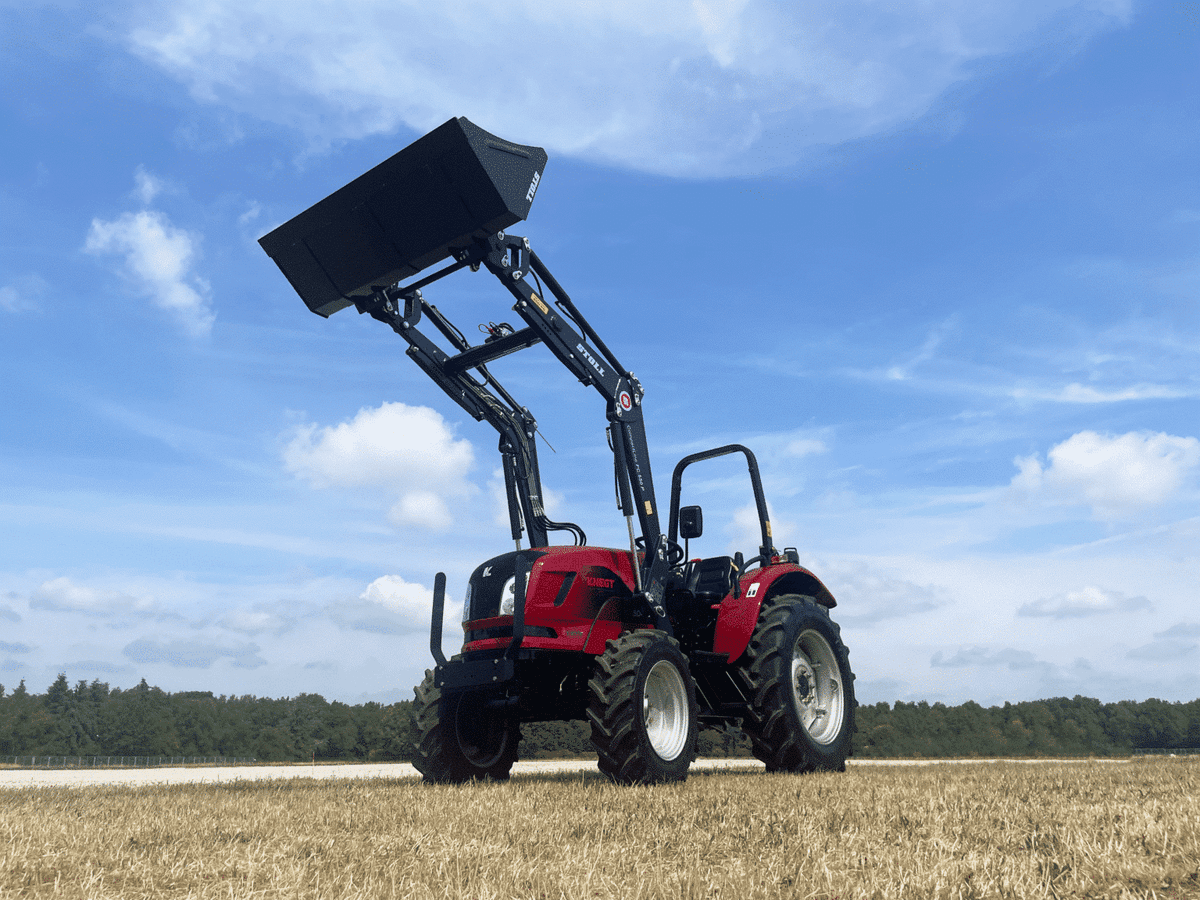
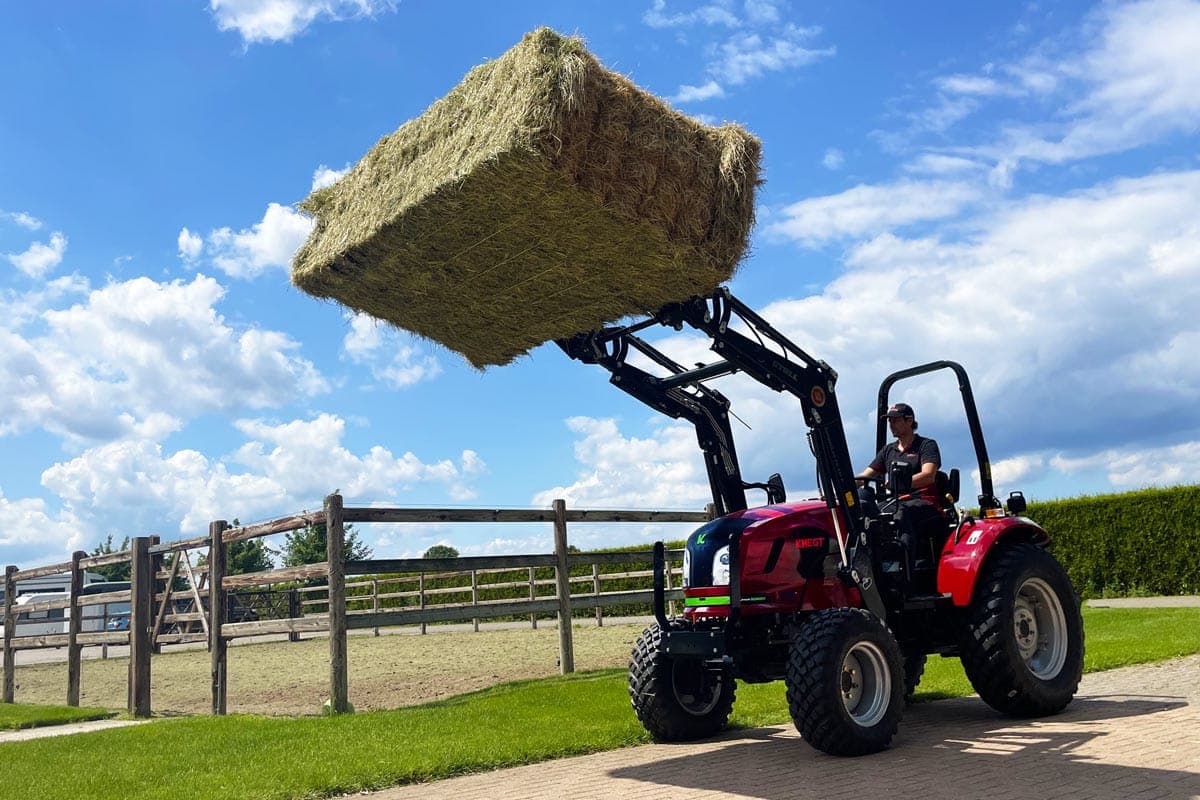
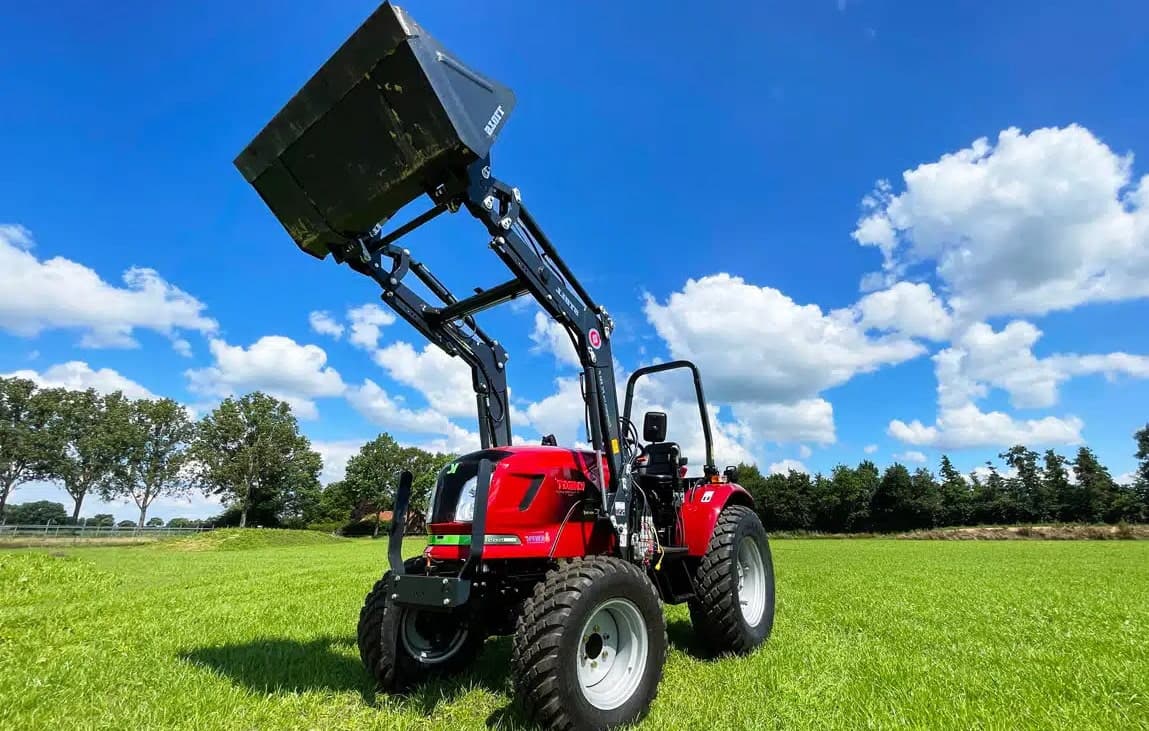
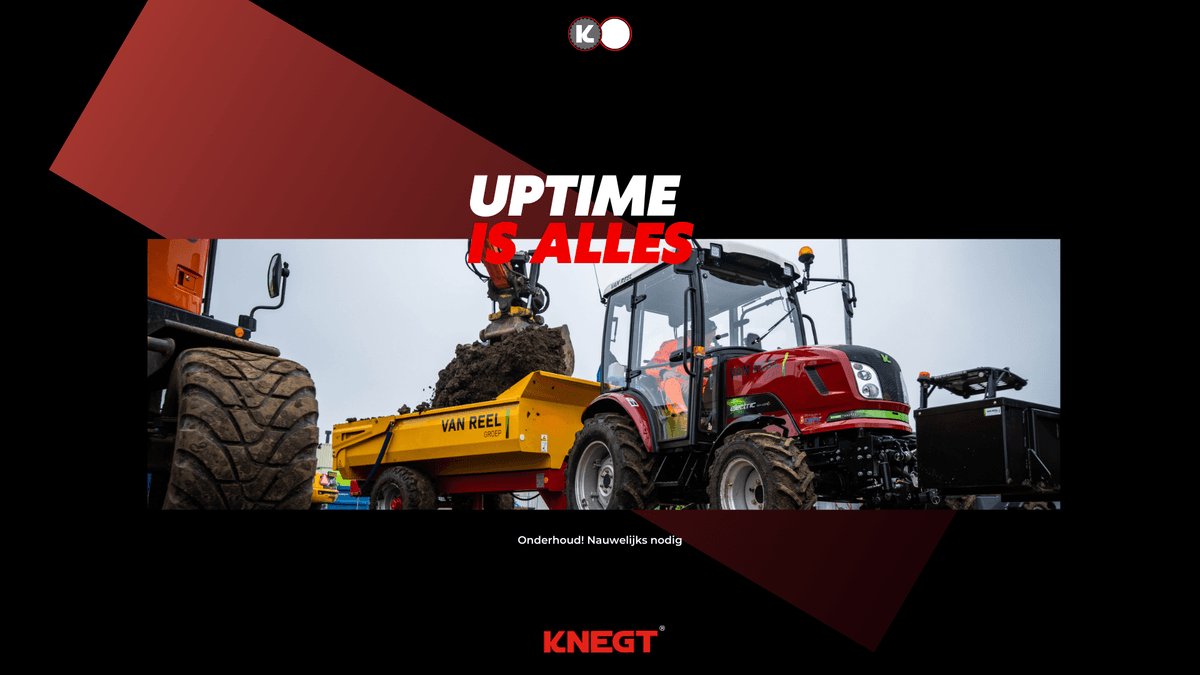
- Moving soil and materials: with a Stoll front loader and bucket you move sand, soil and rubble, and with pallet forks you lift pallets of bricks, tiles or bagged goods.
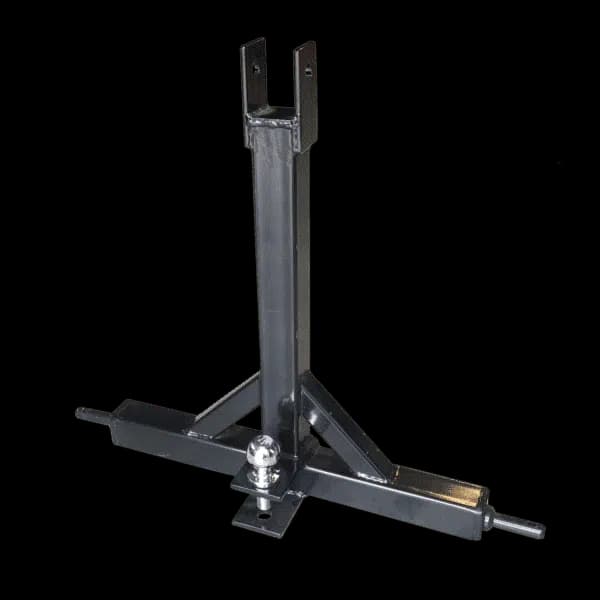
- Supplying materials: with a trailer or a pallet carrier on the three-point hitch you bring materials to where they are needed.
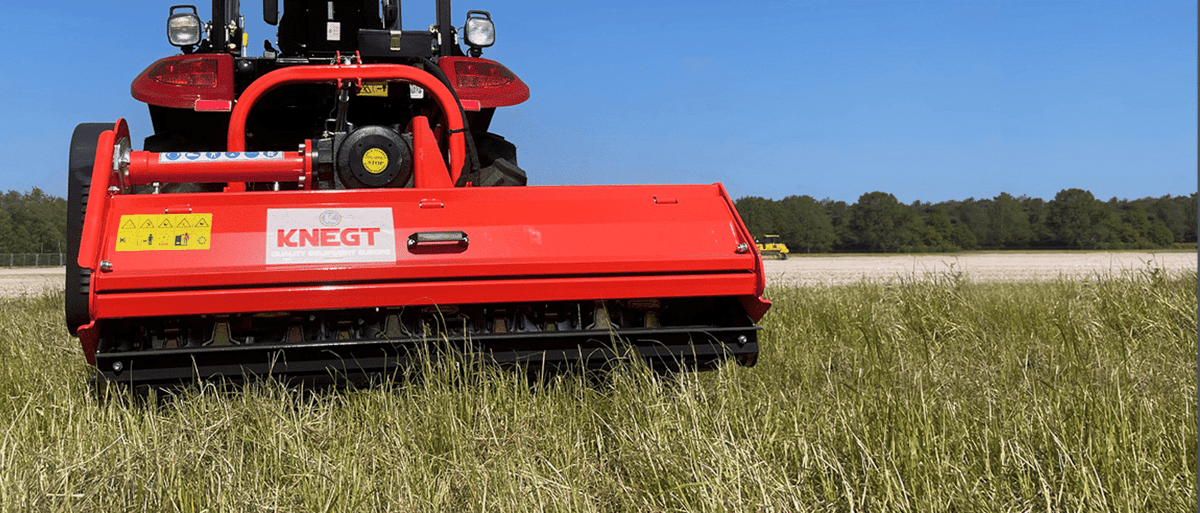
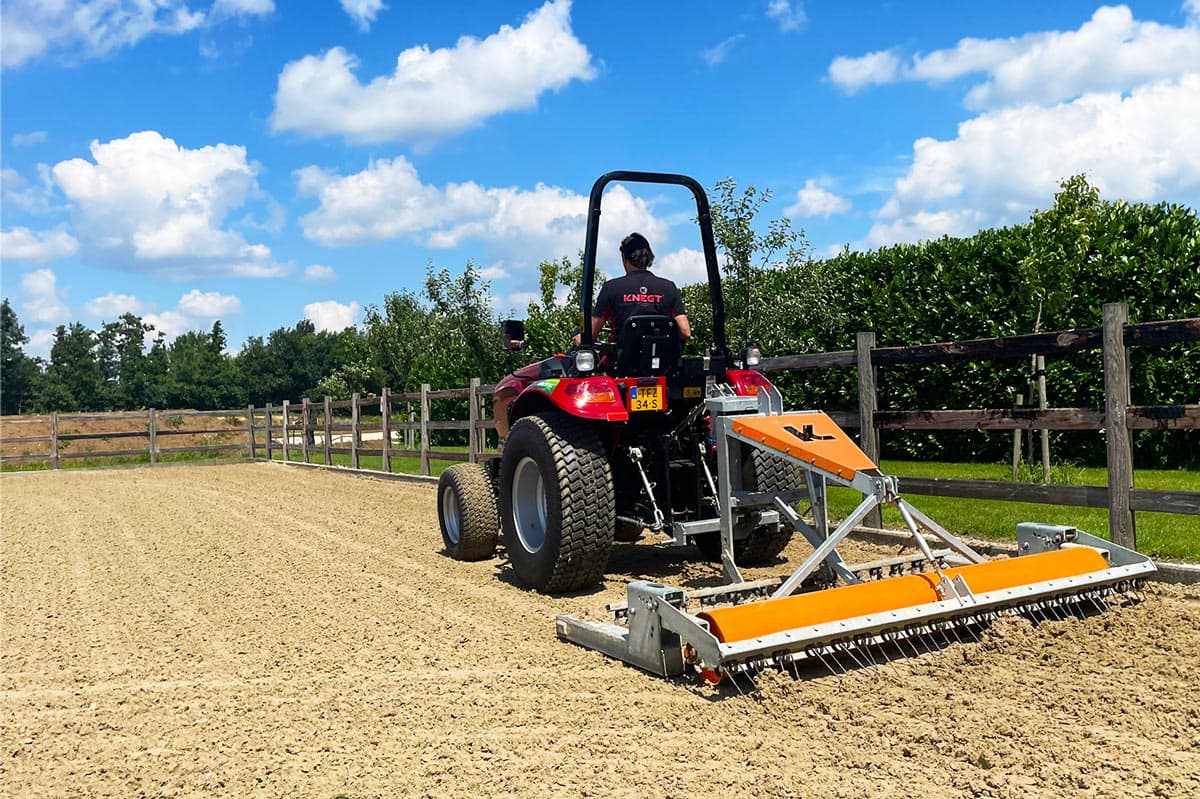
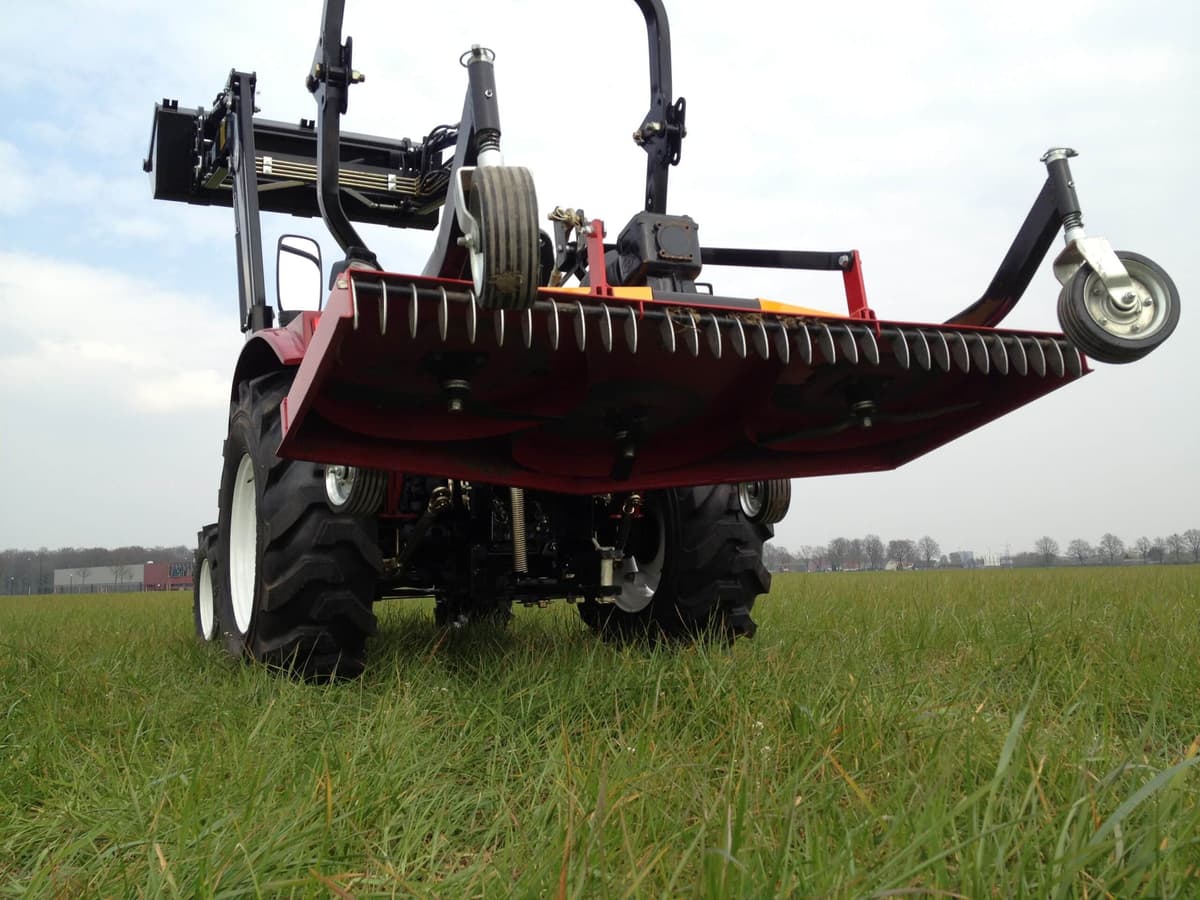
- Preparing the ground: implements such as a rotary tiller or land leveller get a site or path ready for the next step.
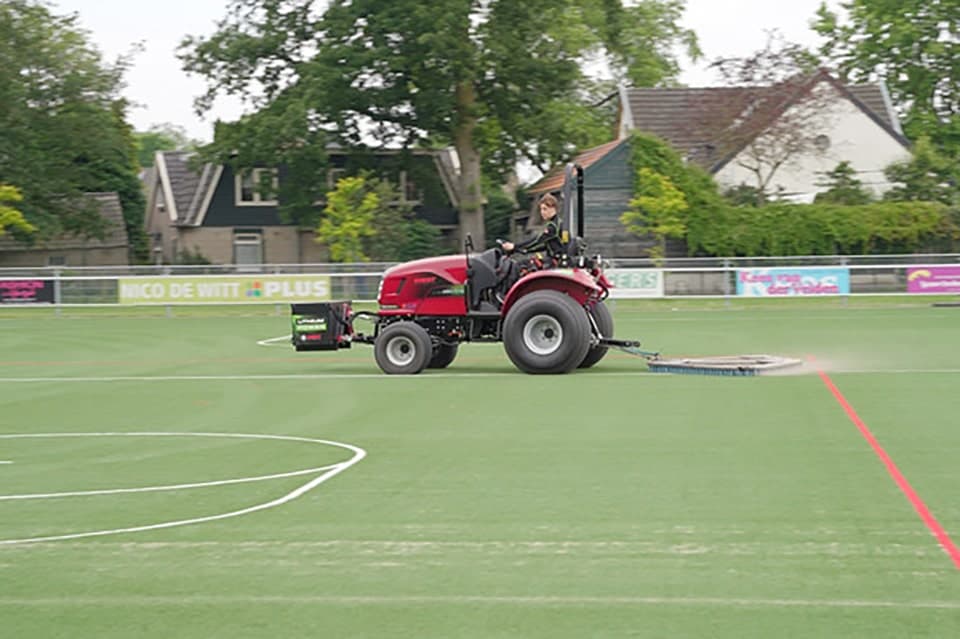
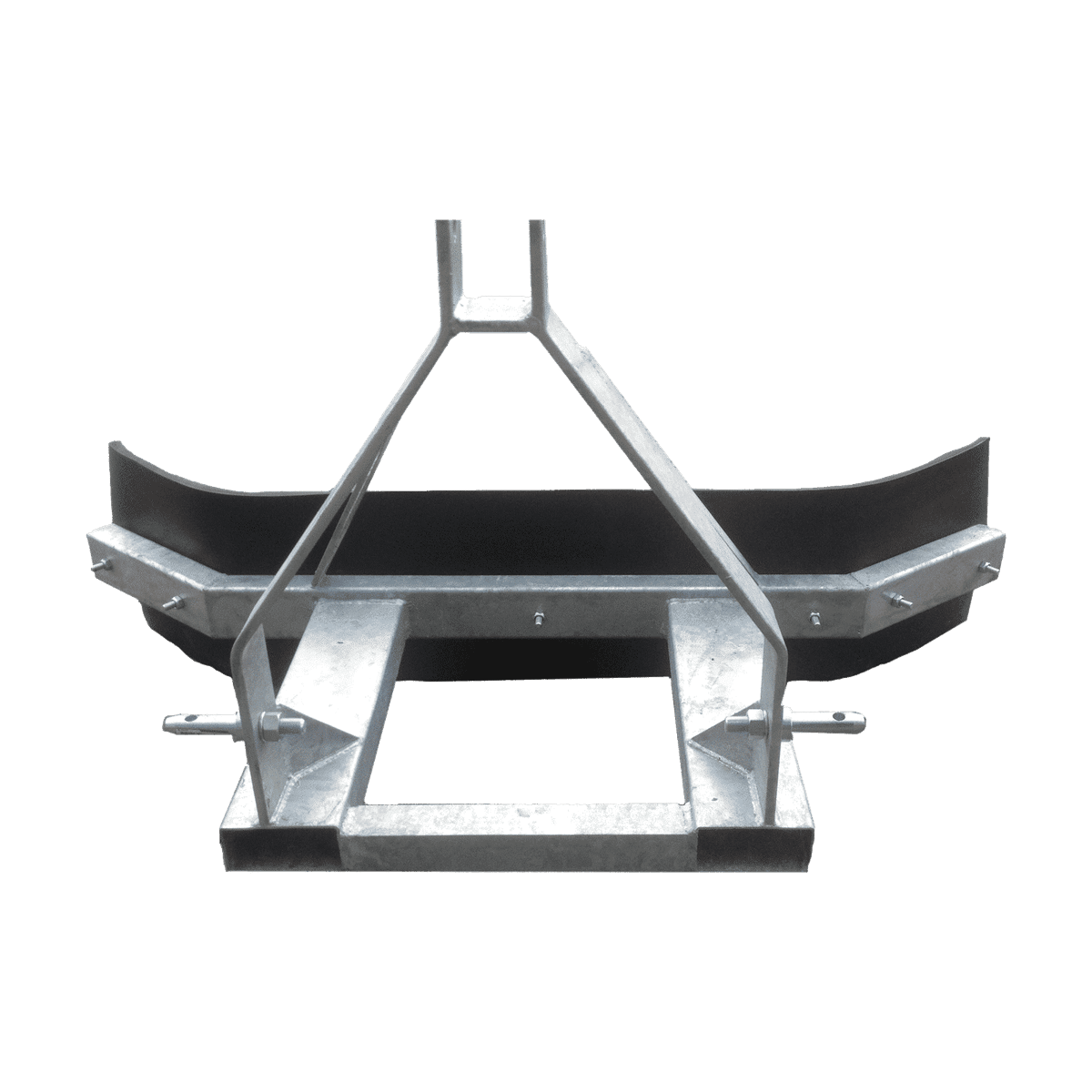
- Site maintenance: sweeping and clearing snow keep the routes on site passable and clean.
- Working indoors and near residents: without exhaust fumes you can also work in halls, car parks or enclosed areas, and without diesel noise you cause less disturbance in the neighbourhood.
A compact tractor does not replace a large excavator or wheel loader. It is, however, a manoeuvrable, zero-emission machine for the many smaller jobs around a construction project, in places where a large machine does not fit.
How to choose an electric compact tractor for construction
These five steps lead you to a tractor that suits your projects:
- Step 1, map the work: which tasks do you do most, on what surface and how many hours a day does the machine run?
- Step 2, choose the power: the 304G2E has 45 hp (30 hp for driving and 15 hp for the hydraulics), the 404G2E 55 hp (40 + 15) and the 504G3E 65 hp (50 + 15). Knegt's construction page names the 404G2E as a suitable choice for medium-sized to large projects.
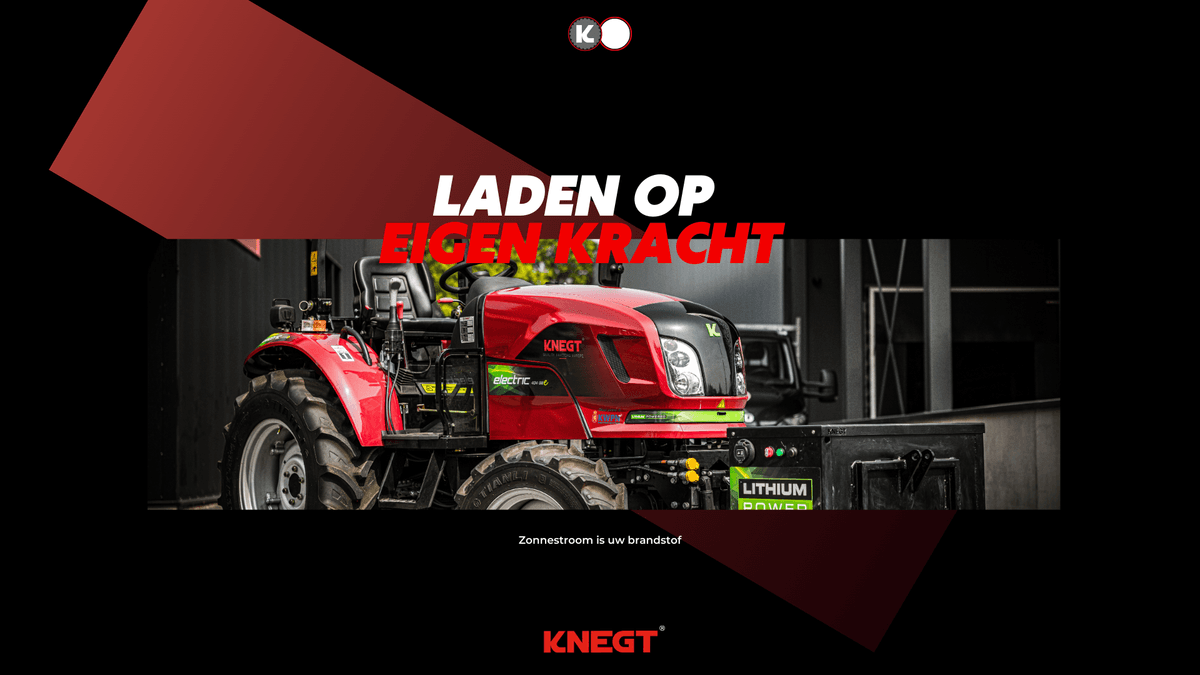
- Step 3, choose the battery and plan charging: you choose between a 24 kWh and a 34 kWh battery, and an extra battery pack is available as an option. A full charge from a standard 230V socket takes 8 to 10 hours; a fast charger takes the battery from 30 to 80 percent in about 2.5 hours. Opportunity charging is possible. Working time depends on the intensity of the work and your battery choice.
- Step 4, choose the version: basic, with front loader, with cab, or cab plus front loader. A cab makes long days in wind and weather far more comfortable.
- Step 5, look at price and service: the starting prices on the website are 37,950 euros for the 304G2E, 45,950 euros for the 404G2E and 52,950 euros for the 504G3E, excluding VAT. Knegt provides a 2-year full factory warranty, recommends servicing every 350 hours or once a year and works with a dealer network.
Knegt's electric tractors are CE-approved and road-legal in Europe, so you can also drive on public roads between depot and project.
In practice: Van Reel and Hoco Beton
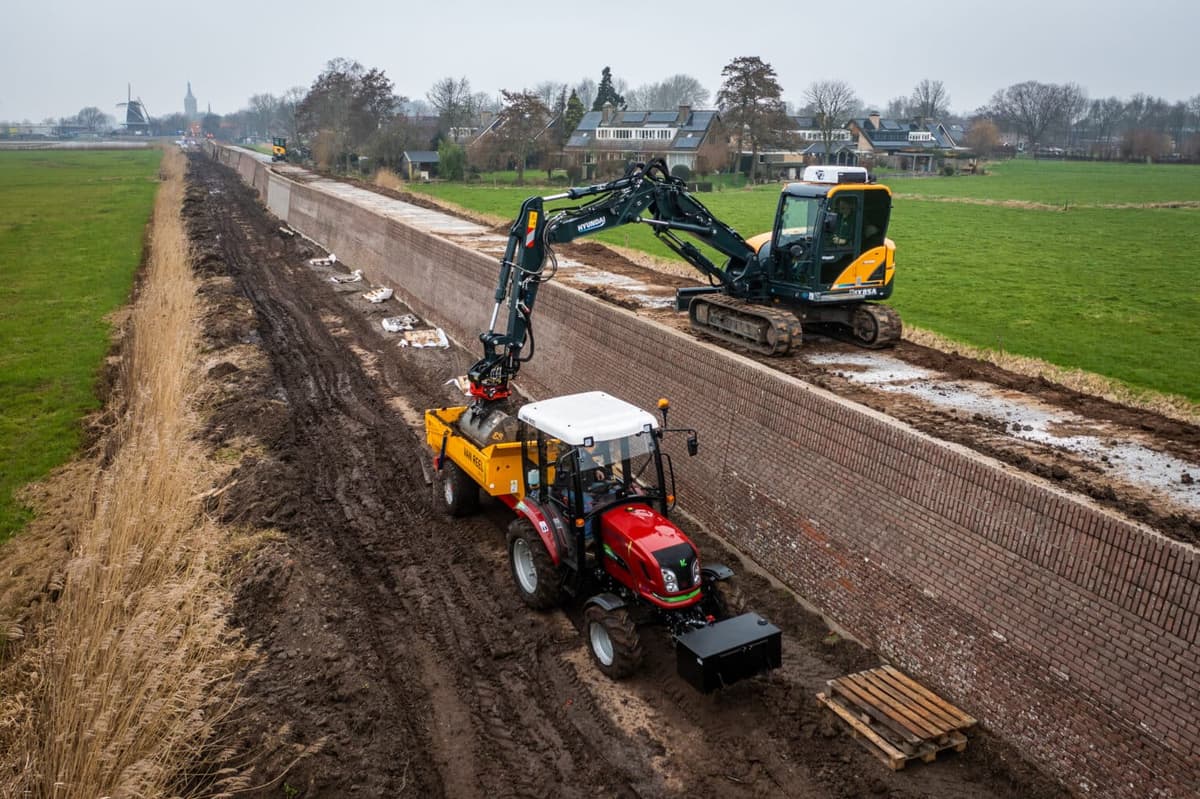
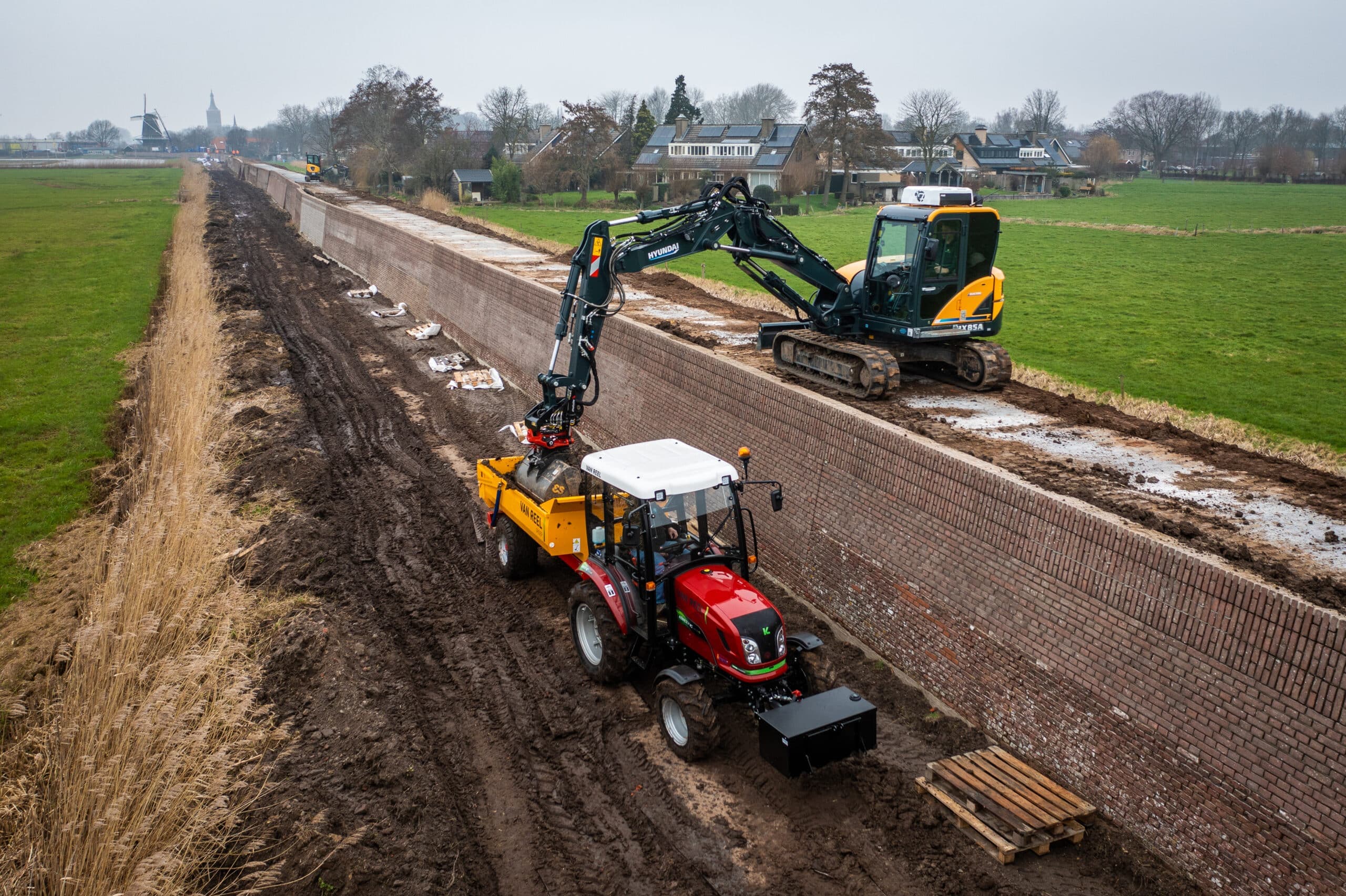
The Knegt website describes two construction-related projects. Van Reel, active in earthmoving, demolition and green waste recycling, is moving step by step towards zero-emission work and uses two 404G2E tractors, both with a cab and an extra battery pack. The machines are charged partly with wind energy. Hoco Beton uses a 404G2E with a Stoll front loader to move concrete elements.
Both examples show what matters in construction: a compact, manoeuvrable machine, a configuration that suits the work, and a battery set-up that matches the length of your working day.
Frequently asked questions
Is an electric compact tractor strong enough for construction?
For light earthmoving, material handling and site maintenance, yes. Knegt states that 45 to 55 hp is usually sufficient for earthworks and demolition; for heavier work there is the 504G3E with 65 hp. Large-scale earthmoving still requires a bigger machine.
Can I charge on site without a charging station?
Yes. A full charge from a standard 230V socket takes 8 to 10 hours, for example overnight at the depot. A fast charger lets you top up more quickly.
Does an electric tractor qualify for the Dutch SSEB subsidy?
The SSEB 2026 list of construction machines includes tractors and comparable multifunctional construction machines from 19 kW, but whether an application qualifies depends on all conditions and on your company. The 2026 round is closed; check the RVO website for current information.
What does an electric tractor for construction cost?
Starting prices range from 37,950 to 52,950 euros excluding VAT, depending on the model. Battery, version and implements determine the final price; request a tailored quote.
See an electric compact tractor for your construction project
Would you like to know which model, battery and implements suit your projects? Request a free demo and see the tractor at work on your own construction site, or book an advisory meeting. You can also request a quote or find a Knegt dealer near you.