KNEGT
Arena leveler: how to keep your riding arena level
20/11/2026  | Jeroen

Arena leveler: how to keep your riding arena level

The short answer

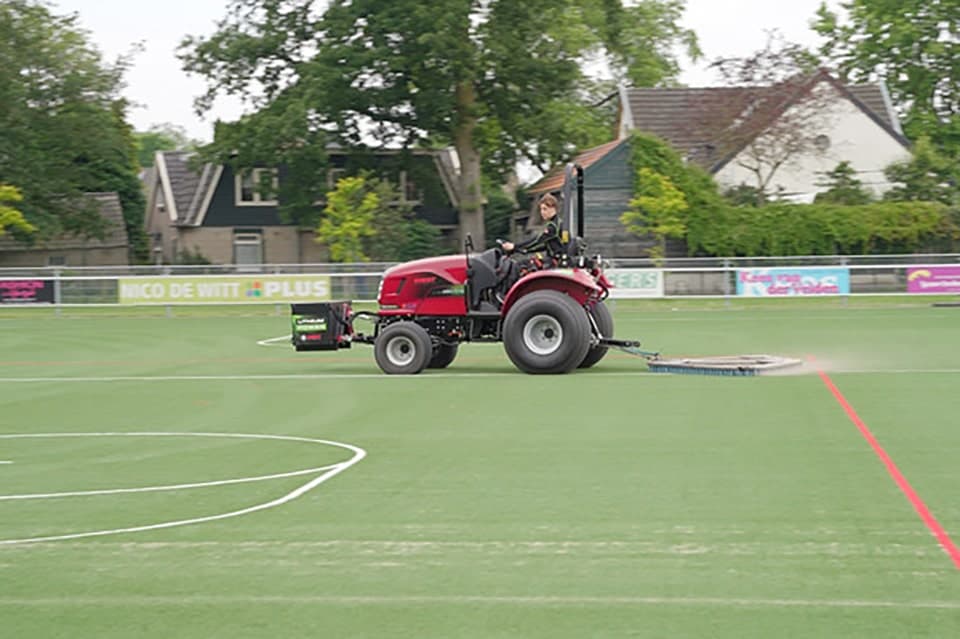
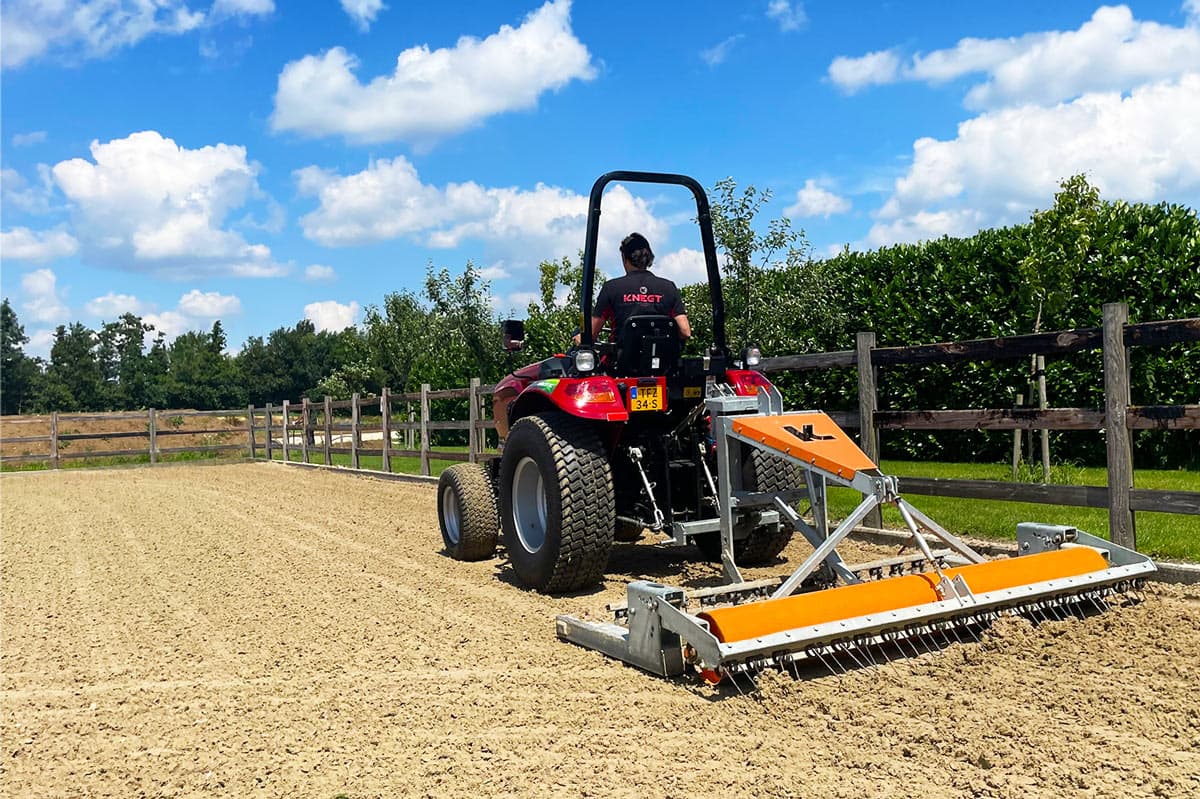
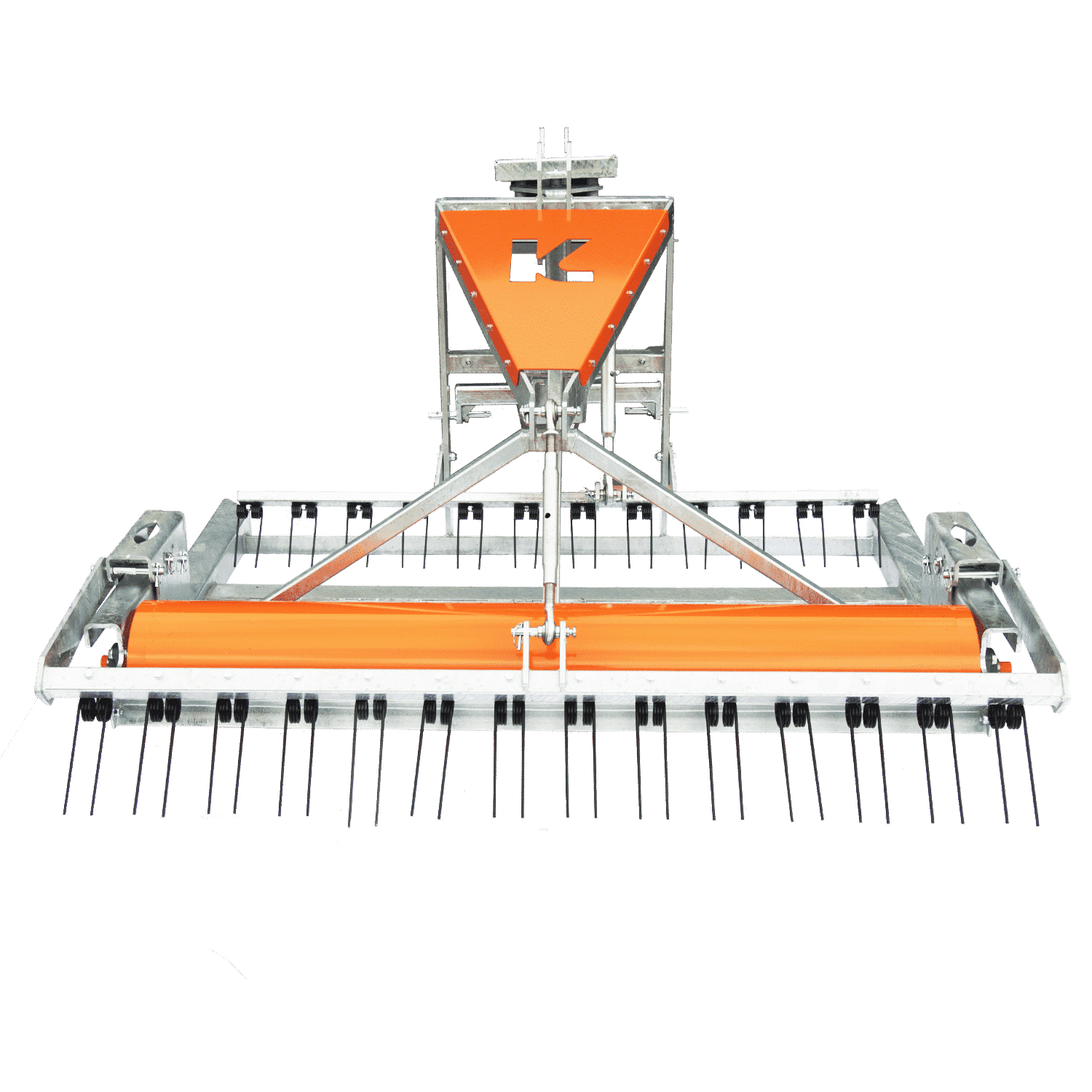
An arena leveler is an implement towed behind a tractor that keeps a riding arena, outdoor school or paddock level and loose. Blades shave the surface and redistribute the sand, combs loosen the top layer and a roller lightly firms it again. Hoof prints, holes and ridges disappear and your horse gets an even footing.

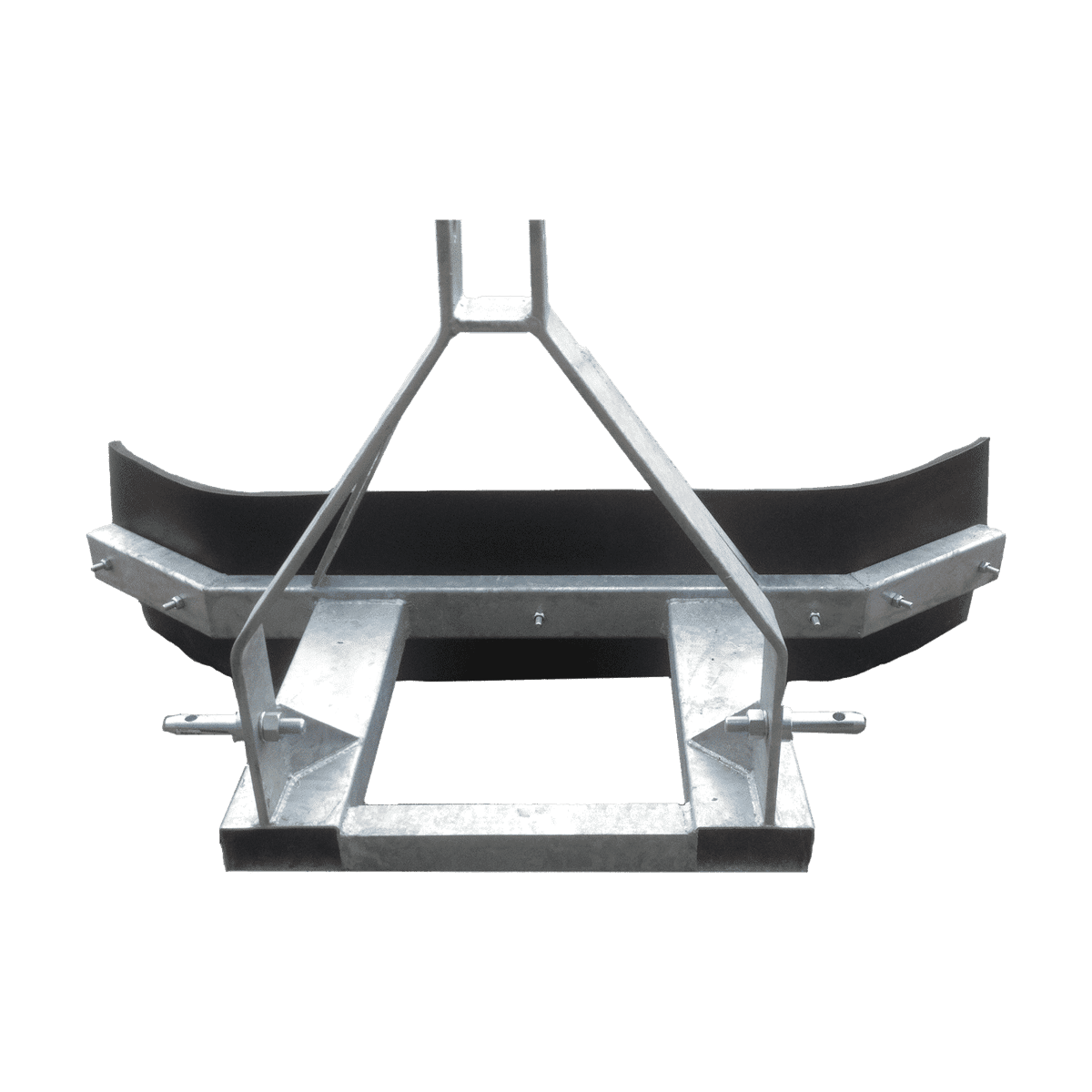
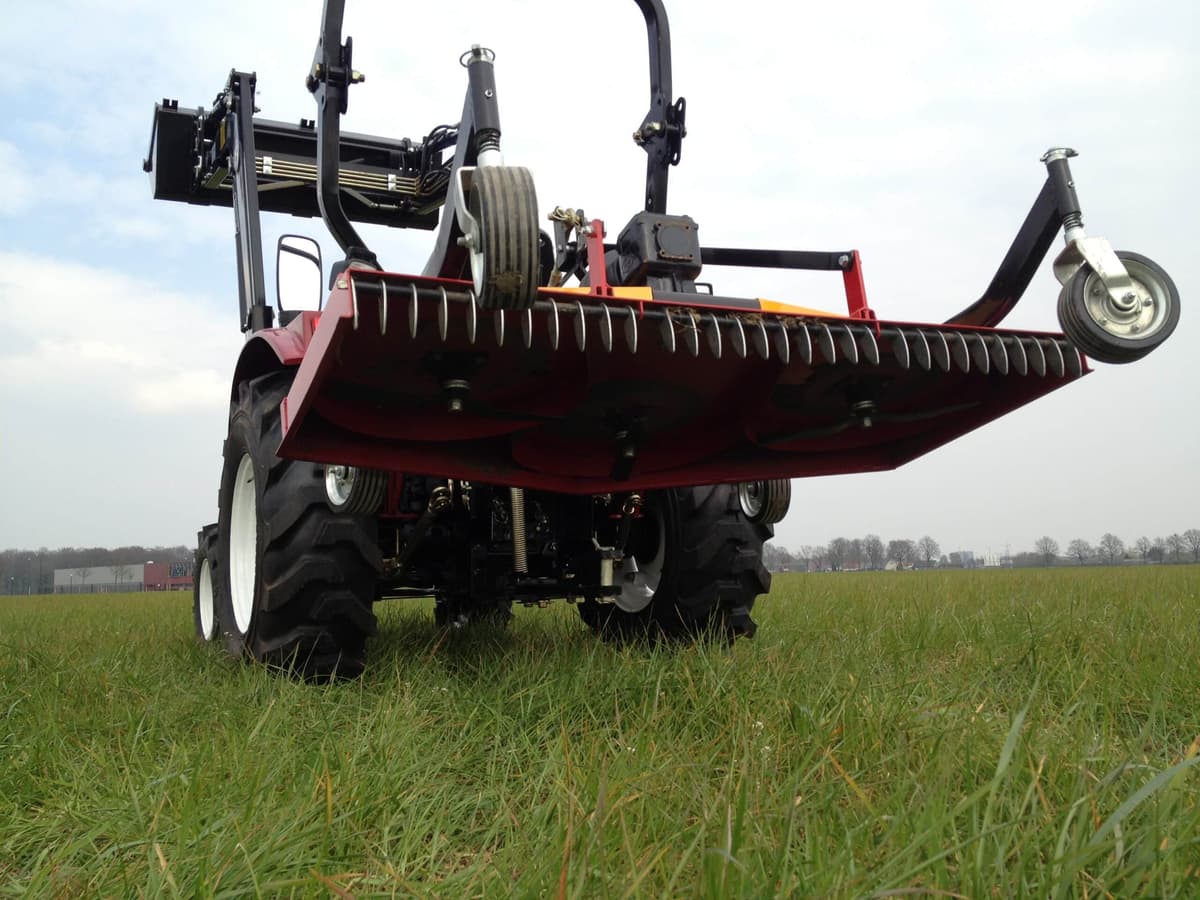
The Knegt leveler comes in two versions, the BV 2.0 and the BV 2.4. Both have 3 blades, 2 combs, a height-adjustable roller and a trailing device, and they are suitable for sand and sand/fibre surfaces.

How does an arena leveler work?

With every ride, hooves push the sand aside. A groove forms along the track, sand builds up in the corners and along the edge, and the surface compacts where horses are ridden most. An arena leveler puts that right in a single pass:

  • Blades: shave off the high spots and carry the sand to the low spots.
  • Combs: loosen the top layer so the surface stays springy and does not seal.
  • Roller: levels and lightly firms the top layer. Because the roller is height-adjustable, you decide how deep the leveler works.
  • Trailing device: makes the leveler follow the tractor neatly through corners. That helps in a fenced arena, where you turn a lot and work close to the edge.

According to the product data, the Knegt leveler has 3 blades, 2 combs and a height-adjustable roller. It is designed for different surfaces, including sand and sand/fibre arenas. Dimensions and weight of the BV 2.0 and BV 2.4 are listed on the product pages.

How to drag your arena in 5 steps

A level, even surface is more comfortable and safer for horse and rider than an arena with holes, hard spots or a deep track. A fixed routine keeps it that way:

  • Step 1, clean the arena first: remove manure and other debris before you drag, so it is not worked into the surface.
  • Step 2, set the roller: start shallow and only adjust the working depth when needed. That keeps the base intact and works only the top layer.
  • Step 3, start at the track: drive along the edge first and pull the built-up sand back into the groove and towards the centre.
  • Step 4, vary the pattern: drag lengthways, crossways and diagonally in turn. This prevents fixed tracks or ridges.
  • Step 5, drive steadily and check: keep an even speed, make wide turns and walk the arena afterwards to look for hard or deep spots.

How often you drag depends on the number of horses and rides. With intensive use, daily dragging is common; an arena that is used less can be done less often. A dry sand surface becomes loose and dusty, so water the arena before dragging if needed.

Arena leveler, rotary harrow or pasture harrow?

On an equestrian yard, the arena, paddocks and pastures are often side by side. That is why Knegt selects several implements for the equestrian sector. Choose the right implement for the right place:

  • Arena leveler: for regular maintenance of riding arenas and sand paddocks. Level, loose and even in a single pass.
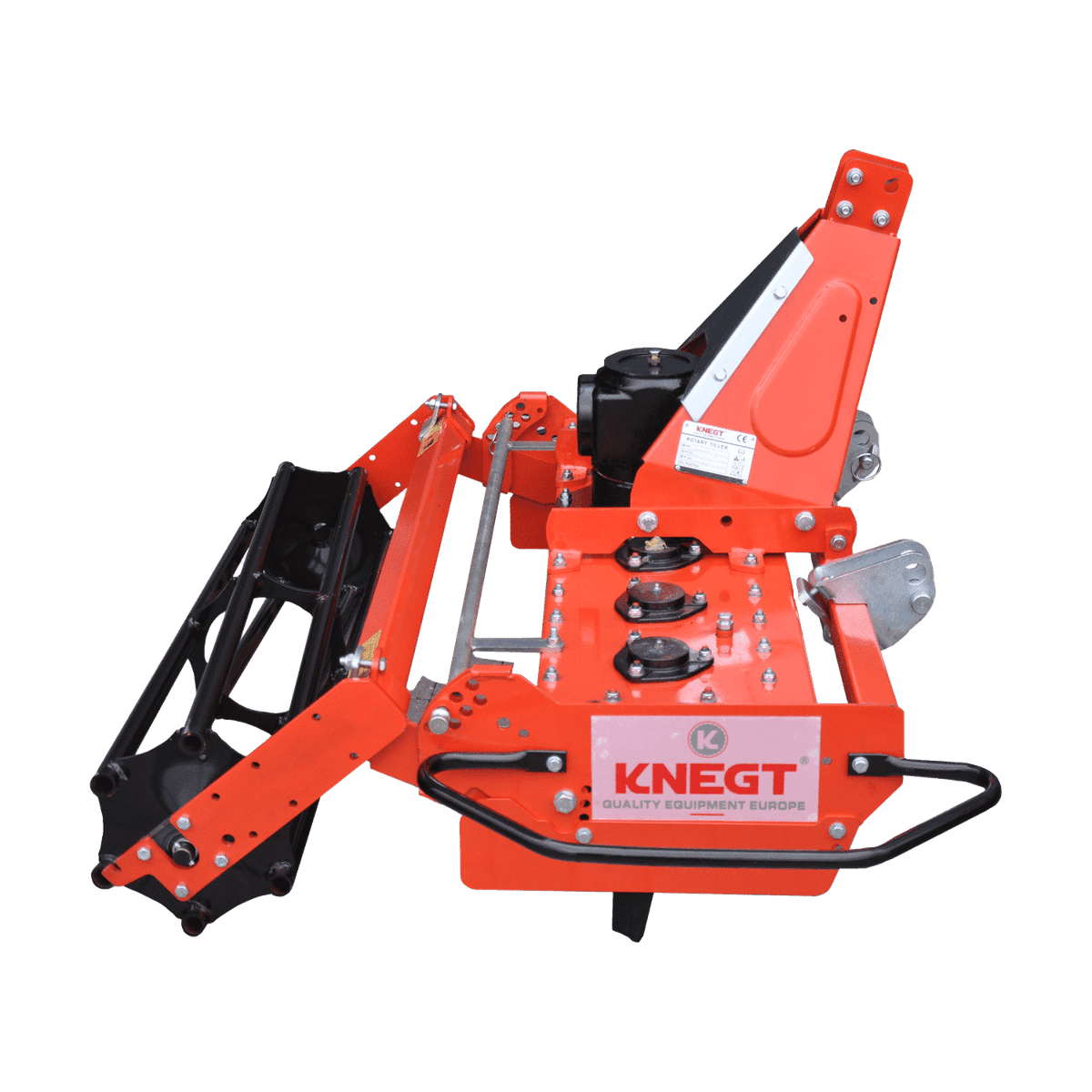
  • Rotary harrow: Knegt describes the RE125 rotary harrow as suitable for loosening and levelling riding arenas and gravel tracks. Useful when the surface has become compacted over time and you want to loosen it deeper than dragging alone.
  • Pasture harrow: the WS200 pasture harrow is meant for horse pastures. It spreads manure and levels small bumps in the grassland.
  • Manure scraper: the MS160 manure scraper clears manure and dirt from paddocks and the yard.

For the arena itself, the leveler is the implement you use most often. The rotary harrow is for major maintenance, the pasture harrow and manure scraper for the rest of the site.

Which tractor suits an arena leveler?

Dragging is light but recurring work, often inside or next to an indoor arena and right among the horses. A few points go well together:

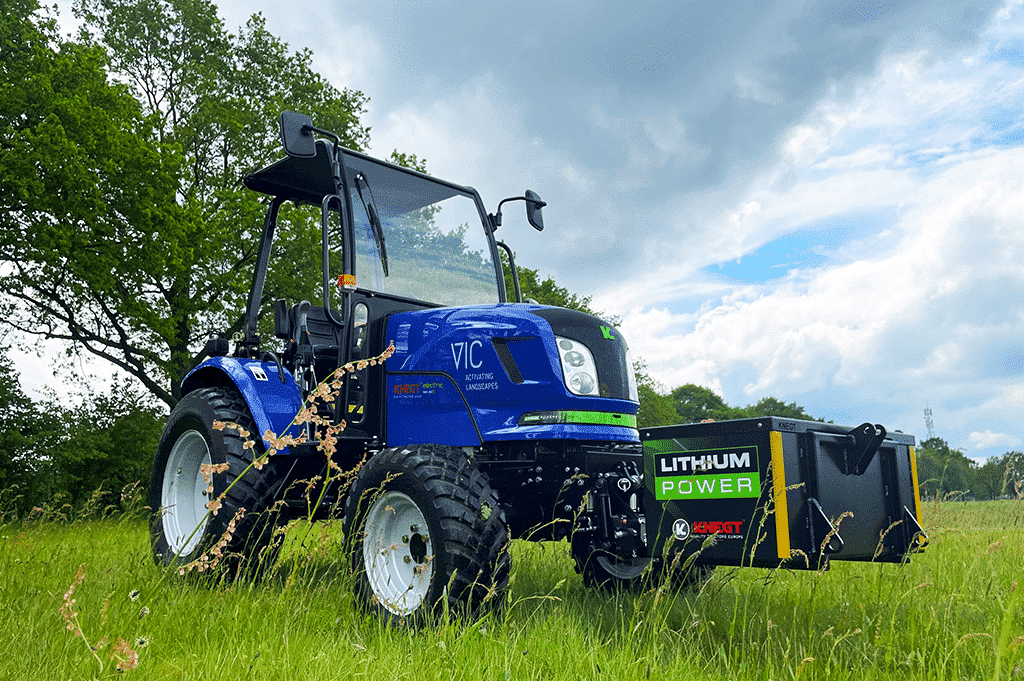
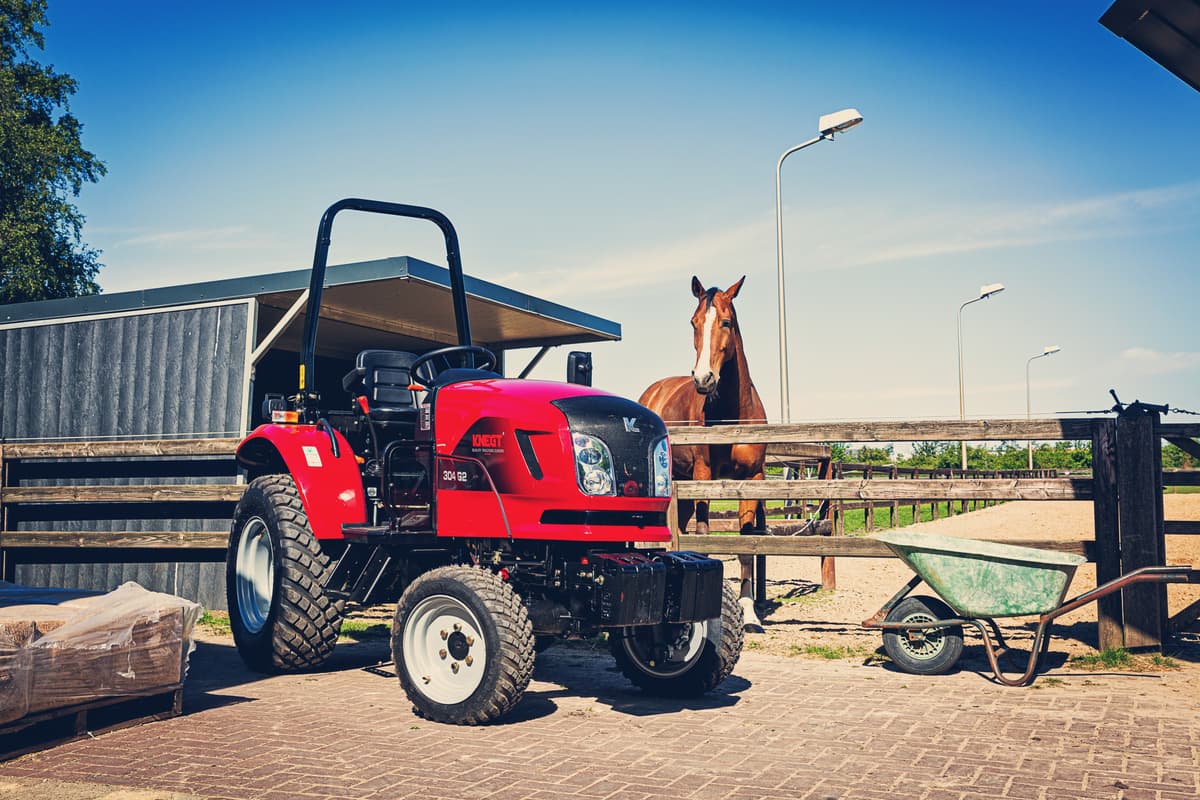
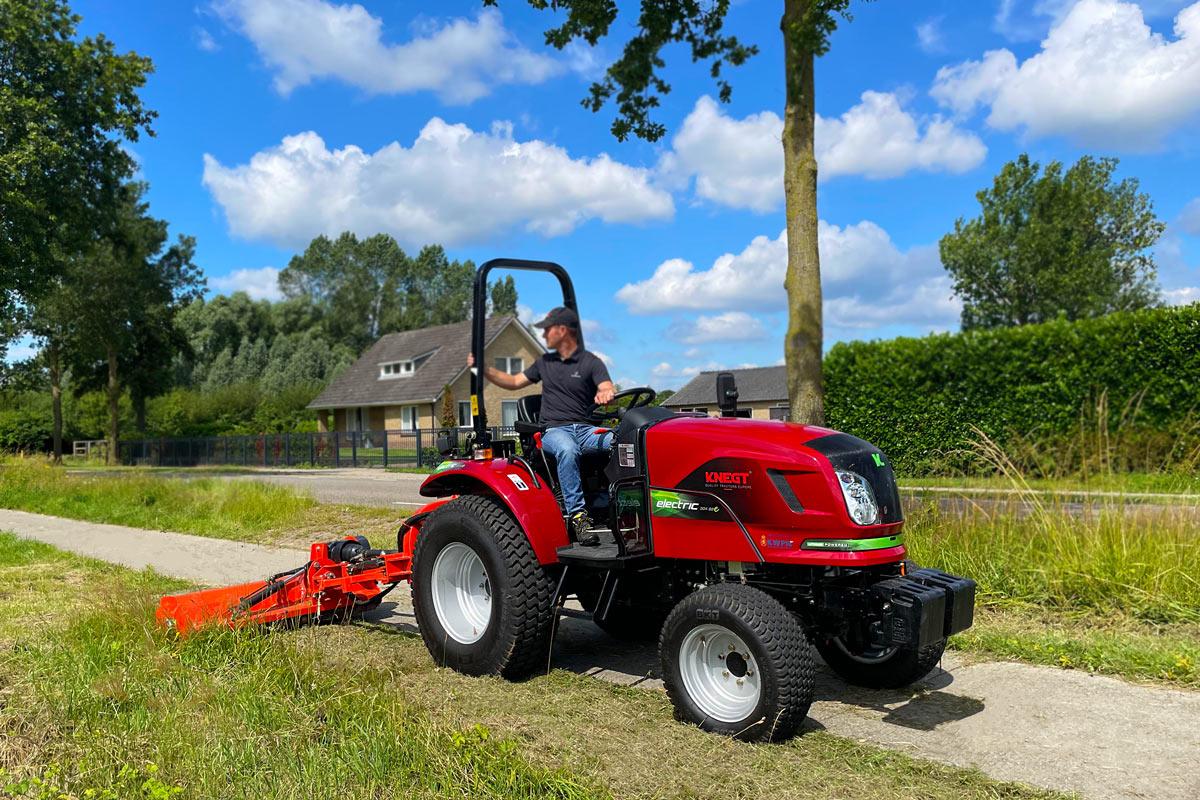
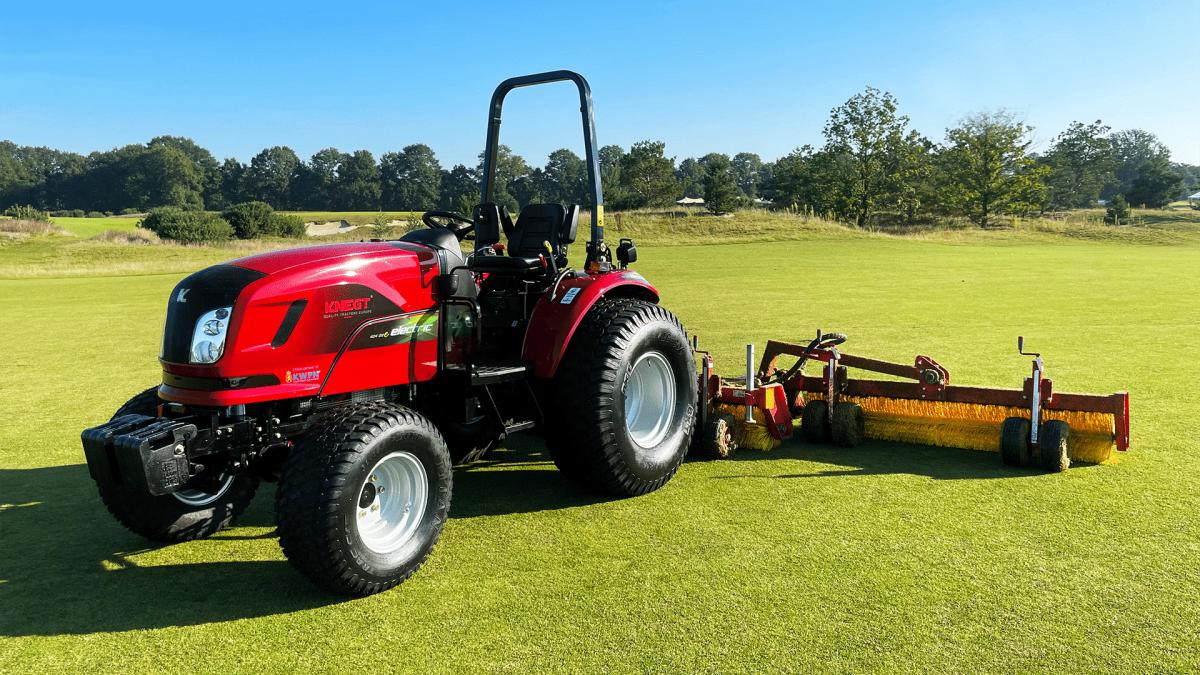
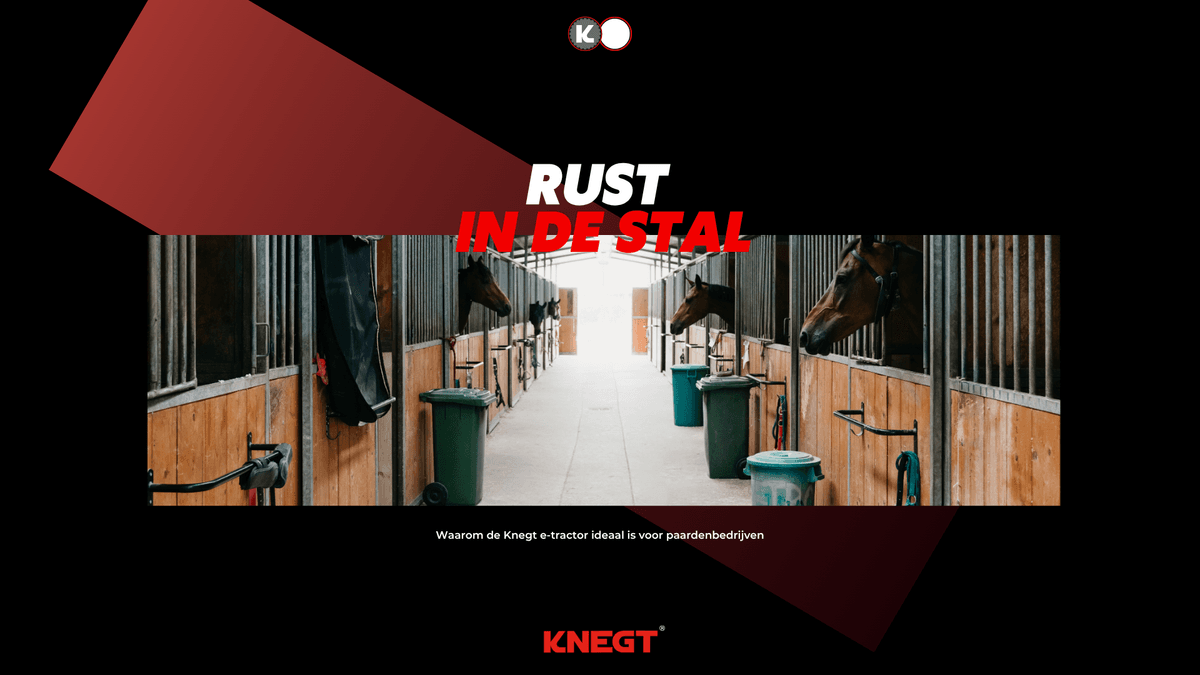
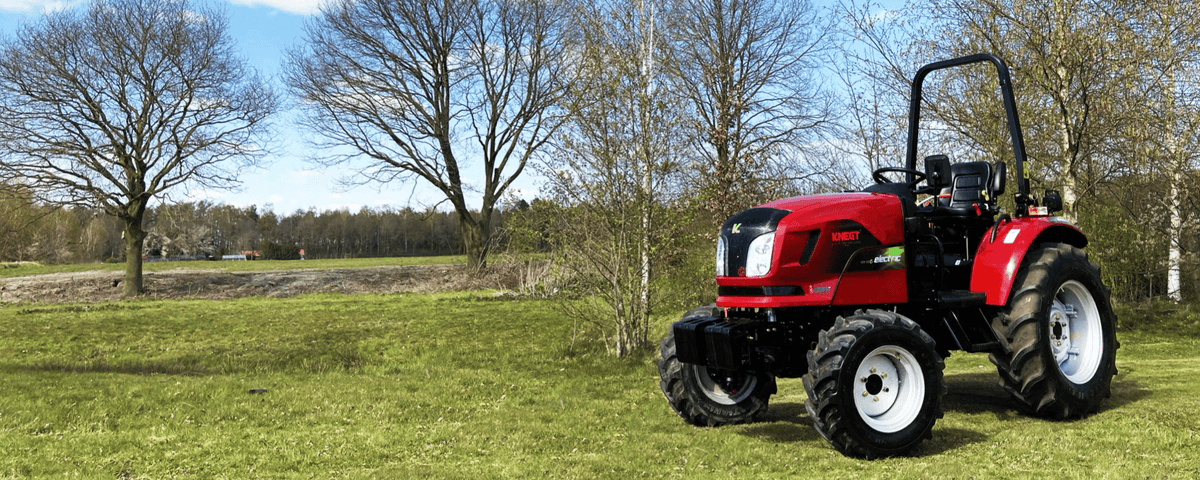
  • Quiet and zero-emission: an electric Knegt tractor works without exhaust fumes and without engine noise. You can drag in an indoor school too, and horses in the stable or arena stay calmer.
  • Compact and agile: in a fenced arena and through narrow gates, a compact tractor with power steering is an advantage. Do check that the width of the leveler suits your arena and gateways.
  • Four-wheel drive: all Knegt tractors have 4WD, which gives grip in loose, deep sand.
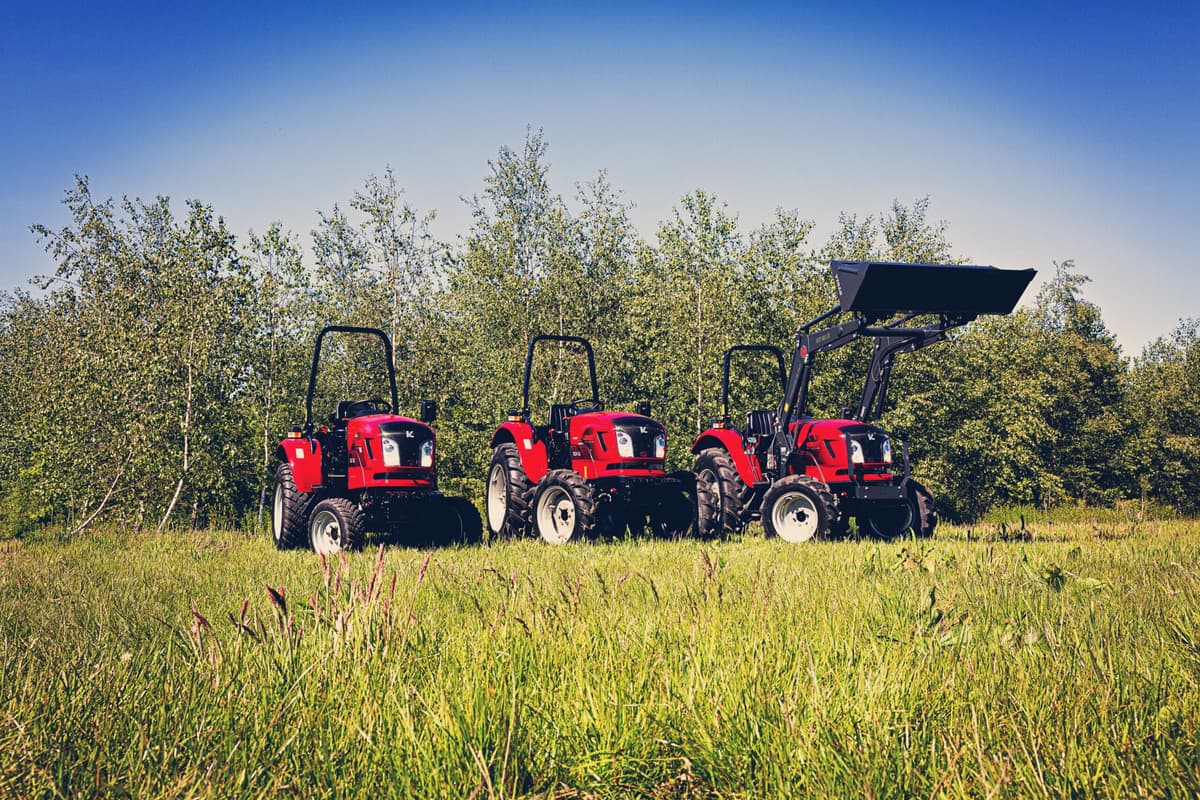
  • Power: the 304G2E has a 30 hp drive motor, the 404G2E 40 hp and the 504G3E 50 hp, each with a separate 15 hp hydraulic motor. On its equestrian page, Knegt describes the 404G2E as suitable for dragging riding arenas.
  • Top-up charging: dragging happens in short sessions. You can top up via 230V or with a fast charger, which takes the battery from 30 to 80% in about 2.5 hours.

If you prefer diesel, there are the 304G2, 404GT and 504GT. For dragging in an indoor arena, an electric compact tractor is the logical choice because no exhaust fumes enter the building.

Frequently asked questions

What is an arena leveler?

An arena leveler is an implement towed behind a tractor that keeps a riding arena or sand paddock level and loose. It combines blades, combs and a roller.

How often should I drag my arena?

That depends on use. With intensive use, daily dragging is common. Pay particular attention to the track, the corners and areas that are ridden most.

Can I drag an indoor arena with an electric tractor?

Yes. An electric Knegt tractor has no exhaust fumes and is virtually silent, so you can drag indoors without polluting the air or disturbing the horses.

What does an arena leveler cost?

On Knegt's equestrian page, the BV 2.0 leveler is listed from €2,695. For the BV 2.4 and a current price for your situation, simply request a quote.

Advice for your arena

Would you like to know which leveler and which tractor suit your arena, paddocks and stable? Request a consultation or find a Knegt dealer near you. Together we look at the size of your arena, the type of surface and the other work you do on your site.

Want to see for yourself how quietly an electric Knegt drags an arena? Request a free demo on your own premises. For the price of a tractor or implement, simply request a quote.
Bekijk elektrische modellenBekijk dieselmodellen

Keep Reading

Rotary harrow or reverse tiller: which suits your tractor?

Rotary harrow or reverse tiller: which suits your tractor?

Rotary harrow or reverse tiller? Learn the difference, when to choose which for a seedbed or riding arena, and what to check on your compact tractor.

Read More
Compact tractor on public roads: registration and rules

Compact tractor on public roads: registration and rules

Taking your compact tractor on the road? Learn what you need: registration, number plate, insurance, a driving licence and the rules for speed and lights.

Read More
Compact tractor warranty and service: what to look for

Compact tractor warranty and service: what to look for

Compact tractor warranty and service: learn what the factory warranty covers, which maintenance is needed and what to check before you buy a tractor.

Read More
PTO 540 or 1000 rpm: what is the difference?

PTO 540 or 1000 rpm: what is the difference?

540 or 1000 rpm PTO? Learn the difference, how to tell which speed an implement needs and what to check when hitching up and working safely with the PTO.

Read More
Electric tractor for holiday parks and theme parks

Electric tractor for holiday parks and theme parks

An electric compact tractor keeps your holiday park or theme park tidy without exhaust fumes and with little noise. Tasks, a real example and 5 steps to choose.
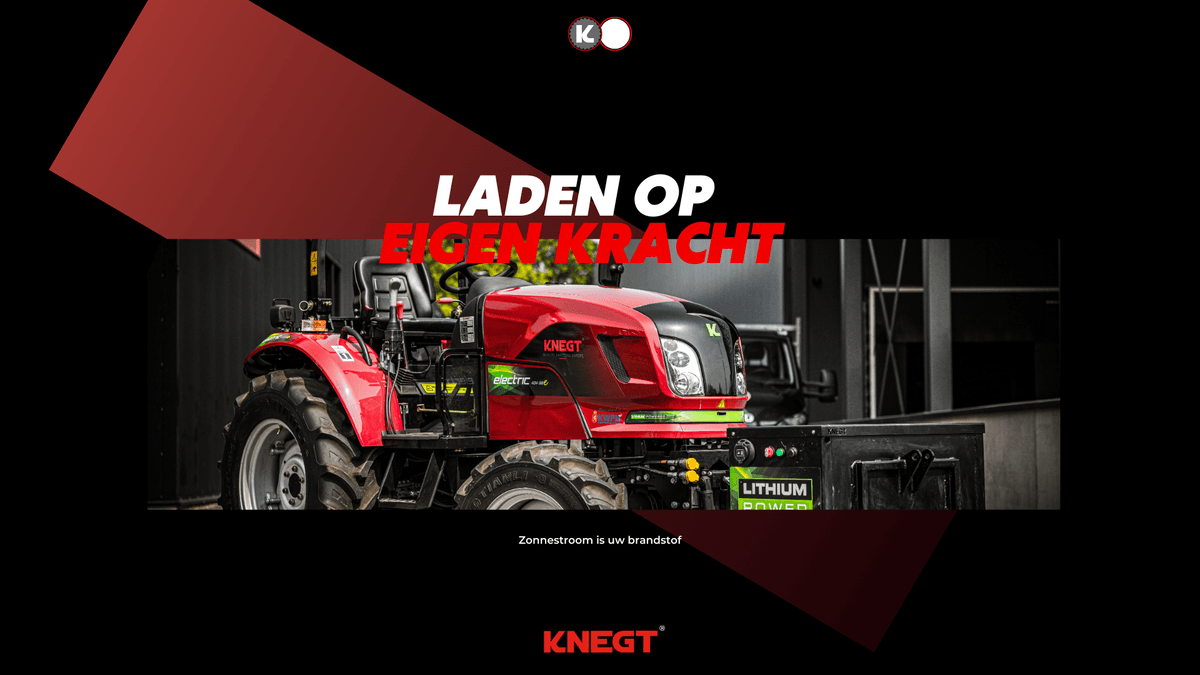
Read More
Stage V diesel engine: what it means for your tractor

Stage V diesel engine: what it means for your tractor

What is a Stage V diesel engine and what does it mean for a compact tractor? The EU standard, particulate filter, maintenance and diesel vs electric explained.

Read More
Electric compact tractor in construction: zero-emission work

Electric compact tractor in construction: zero-emission work

An electric compact tractor for construction: zero-emission earthmoving, material handling and site upkeep. Tasks, how to choose and frequently asked questions.

Read More
Tractor pallet carrier: how to choose and use one

Tractor pallet carrier: how to choose and use one

A three-point pallet carrier turns your compact tractor into a pallet mover. Learn how it differs from front loader pallet forks, how to choose one and work safely.

Read More
Compact tractor attachments: which ones suit your work?

Compact tractor attachments: which ones suit your work?

Which attachments fit a compact tractor? An overview by task and hitch point: mowing, soil, barn, loading and transport, plus a 5-step guide to choosing.

Read More
Electric tractor for municipalities and public green spaces

Electric tractor for municipalities and public green spaces

An electric compact tractor for municipalities: quiet, zero-emission work in parks, verges and public green spaces. Tasks, implements, buying steps and FAQs.

Read More
Knegt tractor experiences: three real-world projects

Knegt tractor experiences: three real-world projects

Experiences with an electric Knegt compact tractor: how Efteling, Hoco Beton and Van Reel use the 304G2E and 404G2E, and how to test one yourself.

Read More
Electric tractor in winter: cab, battery and snow

Electric tractor in winter: cab, battery and snow

Using an electric compact tractor in winter: what cold does to the battery, when a cab pays off and how to clear snow and keep paths clean. With 5 practical steps.

Read More
Electric mini tractor for small acreage and hobby farms

Electric mini tractor for small acreage and hobby farms

An electric mini tractor for your paddock, hobby farm or yard? What it does, why electric suits small plots and how to choose the right model in 5 steps.

Read More
Electric tractor or compact tractor: what's the difference?

Electric tractor or compact tractor: what's the difference?

Electric tractor, electric compact tractor or electric tug: what do the terms mean, what makes a tractor electric and which models are available?

Read More
Fully electric tractor: what does 100% electric mean?

Fully electric tractor: what does 100% electric mean?

What makes a tractor fully electric? The difference from hybrid and diesel, how to recognise a 100% electric compact tractor and what it means in daily use.

Read More
Three-point hitch explained: how it works and lift capacity

Three-point hitch explained: how it works and lift capacity

How does the three-point hitch on a compact tractor work? Learn what lower links, top link, category and lift capacity mean, and how to attach an implement.

Read More
Electric tractor leasing or financing: how it works

Electric tractor leasing or financing: how it works

Lease, finance or buy an electric compact tractor? See which options exist, what they mean for Dutch tax relief and what to compare before you decide.

Read More
Electric tractor in horticulture: tasks and choice

Electric tractor in horticulture: tasks and choice

An electric compact tractor in horticulture: which jobs it does in greenhouses, open fields and tree nurseries, which implements fit and how to choose a model.

Read More
How does an electric tractor work? Drive and battery

How does an electric tractor work? Drive and battery

How does an electric compact tractor work? Learn how electric motors, battery, hydraulics and charging work together, and what it means for your work.

Read More
Electric tractor for sports fields and golf courses

Electric tractor for sports fields and golf courses

An electric compact tractor for sports fields and golf courses: quiet mowing and maintenance during training, with zero emissions. Tasks and choices explained.

Read More
Tractor wood chipper: how to choose the right one

Tractor wood chipper: how to choose the right one

Choosing a PTO wood chipper for your tractor? Check infeed diameter, feeding, PTO, power and weight. Including the specifications of the Knegt HV5m.

Read More
Electric tractor in agriculture: where does it fit?

Electric tractor in agriculture: where does it fit?

Where does an electric tractor fit in agriculture? See which farmyard, barn and pasture jobs an electric compact tractor handles and how to choose one.

Read More
Buying a diesel compact tractor: 304G2, 404GT or 504GT?

Buying a diesel compact tractor: 304G2, 404GT or 504GT?

Buying a diesel compact tractor? Compare the Knegt 304G2, 404GT and 504GT on power, price and use, and find out when diesel or electric is the better fit.

Read More
Charging an electric tractor: wall socket or fast charger?

Charging an electric tractor: wall socket or fast charger?

Charge an electric compact tractor from a standard 230V socket or a fast charger. See how long charging takes and how to keep working a full day.

Read More
Electric tractor with front loader: what can it do?

Electric tractor with front loader: what can it do?

An electric compact tractor with a front loader lifts, loads and moves materials quietly and emission-free. See what it can do and how to choose the right one.

Read More
3-point hitch tow bar: choosing Cat 1 or Cat 2

3-point hitch tow bar: choosing Cat 1 or Cat 2

A 3-point hitch tow bar turns your rear linkage into a height-adjustable towing point for trailers. Learn how it works and how to choose Cat 1 or Cat 2.

Read More
Electric implement carrier: one tractor, many implements

Electric implement carrier: one tractor, many implements

What is an implement carrier and why is an electric compact tractor so well suited to the job? See which implements you can attach and how to pick a model.

Read More
Front linkage on a compact tractor: when is it useful?

Front linkage on a compact tractor: when is it useful?

A front linkage lets you mount implements on the front of your compact tractor. Learn how it works, when it pays off and what to check before you choose.

Read More
Manure scraper for your tractor: how to choose and use one

Manure scraper for your tractor: how to choose and use one

A manure scraper on your compact tractor keeps paddocks, runs and yards clean in no time. Learn which types exist, how to choose one and how to work with it.

Read More
Pallet forks for your tractor: uses and buying tips

Pallet forks for your tractor: uses and buying tips

Pallet forks on the front loader turn your compact tractor into a rough-terrain forklift. Learn what they are for, how to choose them and how to work safely.

Read More
Choosing a flail mower: which one fits your tractor?

Choosing a flail mower: which one fits your tractor?

Which flail mower suits your compact tractor? Compare standard, sideshift and offset models on working width, power and hitch, and pick the right Knegt mower.

Read More
Turf tyres or tractor tyres: which suits your tractor?

Turf tyres or tractor tyres: which suits your tractor?

Turf tyres or agricultural tyres on your compact tractor? Find out when turf tyres are the best choice, which types Knegt offers and how to choose.

Read More
Electric tractor price: what does an e-tractor cost?

Electric tractor price: what does an e-tractor cost?

What does an electric tractor cost? See the starting prices of the Knegt 304G2E, 404G2E and 504G3E, what drives the price and how to compare total costs.

Read More
Small electric tractor: what can a compact e-tractor do?

Small electric tractor: what can a compact e-tractor do?

An electric compact tractor is small, quiet and emission-free, yet a real tractor. See where it fits, what it can do and which Knegt model suits your work.

Read More
Pasture topper cutting height: how to set it right

Pasture topper cutting height: how to set it right

How do you set the cutting height of a pasture topper? Learn why topping works, how to adjust it step by step and which Knegt pasture topper suits you.

Read More
Do electric tractors exist? What they can do today

Do electric tractors exist? What they can do today

Yes, electric tractors exist and you can buy one today. Learn what an electric compact tractor can do, where its limits are and how it compares with diesel.

Read More
Buying an electric tractor: what to look for

Buying an electric tractor: what to look for

Buying an electric compact tractor? Compare power, run time, charging, lift capacity, dimensions and total cost, and find out which Knegt suits your work.

Read More
The battery myth debunked: uninterrupted work in greenhouses and fields with Knegt e-tractors

The battery myth debunked: uninterrupted work in greenhouses and fields with Knegt e-tractors

In intensive cultivation and growing operations, planning and precision are critical. Many growers fear downtime when switching to electric machinery. This article explains how Knegt supports greenhouse and cultivation workflows with predictable operating time, zero idle losses and smart charging strategies.

Read More
Reliable in cultivation: less maintenance, more productive time

Reliable in cultivation: less maintenance, more productive time

Unexpected downtime can disrupt your cultivation schedule. This article explains why the simplicity of electric technology results in minimal wear, predictable service costs and maximum uptime — especially in humid and dusty greenhouse environments.

Read More
Emission-free and precise: the power of torque for growers and cultivators

Emission-free and precise: the power of torque for growers and cultivators

In cultivation, success depends on maneuverability, control and emission-free operation in (semi-)enclosed spaces. This article explains why Knegt’s direct electric torque delivers stable pulling power at crawling speed, superior precision in cultivation work and a healthier greenhouse environment without emissions.

Read More
Smart charging on the nursery: your own power, no more refuelling

Smart charging on the nursery: your own power, no more refuelling

Concerns about charging infrastructure are often linked to the desire for full self-sufficiency. Discover how Knegt offers a simple, flexible charging solution that integrates seamlessly with solar panels and existing power supplies — without fuel storage or permits.

Read More
The true costs in horticulture: why Knegt electric TCO increases your return

The true costs in horticulture: why Knegt electric TCO increases your return

The initial purchase price of electric machinery is often higher, but in intensive horticultural operations the TCO advantage quickly becomes clear. Discover how Knegt reduces energy and maintenance costs, benefits from subsidy schemes and retains a higher residual value thanks to future-proof technology.

Read More
Why 2026 is the perfect moment to switch to an electric Knegt tractor

Why 2026 is the perfect moment to switch to an electric Knegt tractor

The year 2026 marks a turning point. Subsidies and tax incentives are more favourable than ever, clients increasingly demand zero-emission machinery, and with the SSEB covenant you will only qualify for tenders from 2028 onwards if your equipment is fully zero-emission. That’s why switching to electric now is the smart choice.

Read More
Quiet, clean and stress-free: the Knegt as a key factor in animal welfare

Quiet, clean and stress-free: the Knegt as a key factor in animal welfare

The electric Knegt tractor reduces stress in horses, improves air quality in stables and creates a quieter, safer working environment for people and animals.

Read More
Power for heavy work: impressive torque and manoeuvrability in the yard

Power for heavy work: impressive torque and manoeuvrability in the yard

Electric is anything but weak. The Knegt e-tractor combines instant torque with compact manoeuvrability and full implement compatibility – ideal for heavy work in and around the stables.

Read More
A full working day: no range anxiety with the Knegt power strategy

A full working day: no range anxiety with the Knegt power strategy

With smart battery technology, fast charging and modular battery packs, the Knegt e-tractor eliminates range anxiety and stays operational for a full working day.

Read More
The smart investment: lower TCO despite higher purchase price

The smart investment: lower TCO despite higher purchase price

An electric Knegt tractor costs more to purchase than a comparable diesel model, but pays for itself through lower maintenance and energy costs over its full life.

Read More
Maximise your benefit: MIA/Vamil and a strong green image

Maximise your benefit: MIA/Vamil and a strong green image

With MIA and Vamil, combined with lower operating costs, the investment in an electric Knegt tractor can, in some scenarios, turn out significantly more favourable than expected.

Read More
Always power, wherever you are: the electric Knegt tractor as a mobile energy hub

Always power, wherever you are: the electric Knegt tractor as a mobile energy hub

Professionals in green maintenance and construction can work more quietly and cleanly thanks to electrification, but often struggle on-site with rapidly draining batteries and a lack of power sources. The electric Knegt tractor solves this by acting as a mobile energy hub: a powerful, zero-emission powerbank on wheels for all your tools and lighting.

Read More
Driving electric with subsidies: how your Knegt tractor pays for itself

Driving electric with subsidies: how your Knegt tractor pays for itself

Working electrically isn’t just better for the environment — it’s also smart for your wallet. Discover how subsidies and tax incentives help you recoup the investment in an electric Knegt tractor faster.

Read More
Top 5 Front-Loader Accessories to Fully Equip Your Compact Tractor

Top 5 Front-Loader Accessories to Fully Equip Your Compact Tractor

A front-loader makes your compact tractor suitable for a wide range of transport jobs — and with the right accessories, you can expand those capabilities even further.

Read More
Top 5 Accessories for Compact Tractors to Improve Comfort and Productivity

Top 5 Accessories for Compact Tractors to Improve Comfort and Productivity

With the right accessories, you can make your compact tractor even more versatile and ready for a wide range of tasks.

Read More
Maintenance tips for your electric compact tractor: 6 ways to extend its lifespan

Maintenance tips for your electric compact tractor: 6 ways to extend its lifespan

Electric compact tractors need less maintenance than diesel models, but proper care is still essential for peak performance and long service life. Discover the six most important tips.

Read More
Top 5 Implements for Compact Tractors to Boost Your Productivity

Top 5 Implements for Compact Tractors to Boost Your Productivity

One machine, many applications. By attaching implements to your tractor, you can handle a wide range of tasks without needing multiple machines.

Read More
How electric compact tractors are shaping the future of sustainable work

How electric compact tractors are shaping the future of sustainable work

Electric compact tractors are changing the way many businesses operate: no emissions, less noise and lower maintenance demands.

Read More
Electric vs. diesel compact tractors: which is the best choice for your business?

Electric vs. diesel compact tractors: which is the best choice for your business?

If you’re looking for a compact tractor, it’s important to choose a model that matches your specific needs...

Read More